
Have you ever sat online and custom-designed your dream car, built a custom PC from scratch, or personalized a pair of sneakers with your favorite colors? If you have, you have interacted directly with a product configurator.
Today, customers do not just want standard off-the-shelf items; they want products tailored specifically to their tastes. For modern businesses, offering this level of personalization manually can quickly turn into a logistical nightmare. That is where automation steps in to bridge the gap.
If you are looking to scale your business or simply trying to figure out what is a product configurator, this comprehensive guide will break down how this software works, its massive benefits, and how it transforms the typical buying experience into something truly engaging.
Product Configurator Definition
A product configurator is an interactive software application that allows customers, sales teams, or manufacturers to customize a product’s features, sizes, colors, and materials in real time. It relies on a smart, rules-based system to ensure that users can only select options that are actually buildable, completely eliminating ordering errors before they ever happen.
What Is a Product Configurator?
At its core, a product configurator is a digital tool designed to handle complex, customizable products. Instead of making a customer scroll through an endless list of pre-made items, the software gives them a base model and lets them build their own version by mixing and matching parts.
You will generally find these tools implemented in one of three ways:
- Customer-Facing B2C Ecommerce: Shoppers personalize items like furniture, clothing, or electronics directly on a retail website.
- Internal Sales Tools (B2B): Sales representatives use the tool during client meetings to quickly build custom orders, generate quotes, and hand over technical specs without waiting weeks for an engineering review.
- Manufacturing Portals: Deeply integrated systems that connect the initial customer design straight to the factory floor, automating the technical creation process from start to finish.
How Does a Product Configurator Work?

A great product configurator looks incredibly simple from the outside, but underneath the surface, a highly organized digital engine is running the show. The system processes your choices through four essential stages.
1. User Selection
The customer starts their journey by picking out a base model and various components. This could include choosing a specific frame material, selecting a color palette, or adding premium upgrades and accessories.
2. The Rules Engine
This is the true brain of the software. The system operates on strict conditional logic that controls what combinations are allowed and what are not. For example, if you are designing a vehicle and select an electric drivetrain, the engine will automatically hide incompatible diesel options from view. This prevents a user from ordering a product that cannot physically be manufactured.
3. Real-Time Visualization
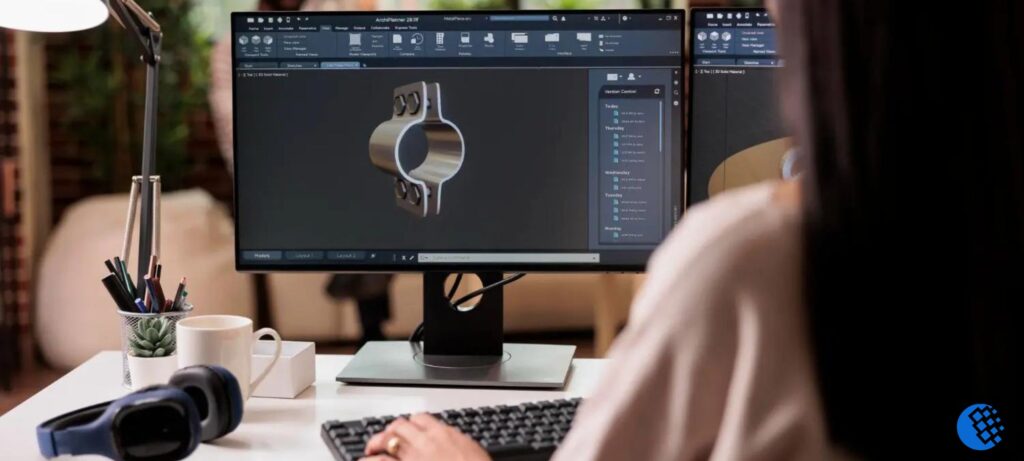
As choices are made, the visual interface updates on the spot. Depending on the complexity of the platform, this can range from a clean 2D image preview to an advanced 3D rendering that users can rotate, zoom in on, and examine from every single angle—or even use augmented reality to preview the item in their actual room.
4. Pricing and Order Generation
As options are selected, the price updates automatically. When the customer finalizes their configuration, the system generates an order, a quote document, or both—along with any specific manufacturing instructions and bills of materials (BOM) needed for production.
Real-World Product Configurator Examples
To see how these systems change the game across different industries, let’s take a look at a few classic examples.
The Automotive Industry
Car brands like BMW and Tesla have some of the most well-known product configurators. You select a model, choose a paint color, pick wheel styles, configure the interior, and add technology packages while viewing the total price in real time.
Custom Computer Builders
When you buy a laptop or desktop directly from a manufacturer, you typically configure the CPU, RAM, storage, display, and accessories. Each selection updates the availability of other components and adjusts the final price instantly.
Furniture and Home Décor
Many furniture brands now let you choose the sofa frame, fabric type, cushion fill, and leg finish before ordering. Some even let you see a 3D rendering in different room settings.
Custom Footwear and Apparel
Brands like Nike have used online configurators to let buyers choose colors, materials, and even add custom text to shoes. This type of personalization has proven to drive higher average order values significantly.
Industrial and B2B Equipment
In manufacturing and engineering, configurators help sales teams build accurate quotes for complex machinery, specifying motor sizes, voltage requirements, and compatible accessories without involving engineers at every step.
Key Benefits of Product Configurators
Implementing this software offers massive competitive advantages for both global enterprises and growing e-commerce brands.
- Fewer Order Errors: When rules-based logic handles validation, incorrect orders become rare because the system stops conflicting specifications at the source.
- Faster Sales Cycles: Especially in B2B setups, a configurator cuts quote generation from days to minutes, allowing sales reps to walk through options with a client in real time.
- Better Customer Experience: Shoppers who can see and interact with what they’re building spend more time on a page, convert at higher rates, and feel a sense of ownership over the design.
- Increased Average Order Value: A well-designed configurator surfaces optional upgrades and accessories naturally, encouraging customers to add more features to their final purchase.
- Automated Pricing: Dynamic pricing updates instantly with every selection, removing the need for manual math and ensuring pricing is always consistent with current costs.
- Scalable Customization: Once a tool is live, it can handle thousands of daily configurations seamlessly without needing extra staff to manually verify data.
Types of Product Configurators
Not all businesses need the exact same setup. Depending on what you sell, you will likely choose one of these popular variations.
Visual Product Configurator
Focuses heavily on real-time image updates as selections are made. These are incredibly common in consumer-facing retail for products like furniture, apparel, and accessories where the look of the item dictates the purchase.
3D Product Configurator
A step beyond traditional flat images, these render a full three-dimensional model that the user can rotate, zoom, and examine from all angles. These are heavily utilized in the automotive, furniture, and heavy industrial sectors.
CPQ Configurator (Configure, Price, Quote)
Commonly used in complex B2B sales, a CPQ tool focuses heavily on the business back-end. It handles configuration, applies complex enterprise pricing rules, and generates professional, ready-to-sign PDF proposals.
Manufacturing Configurator
Connects directly to production systems, ERP platforms, and bill of materials management. The configuration output is not just a commercial quote—it is a live production order with complete technical specifications for the factory floor.
Ecommerce Product Configurator
Designed specifically for online storefronts, these focus entirely on the end-consumer experience and integrate smoothly with retail platforms.
Engineering Configurator
Used in highly technical industries where customization involves specific engineering parameters, tolerances, and strict compliance requirements, such as aerospace and defense.
What Is a Configurable Product?
As you research this topic, you will frequently run across the phrase what is a configurable product.
To put it simply, a configurable product is a single item that contains multiple variations—like size, color, material, or style—which a customer can choose from before checking out. Rather than listing every single combination as a standalone item, it acts as a master template with customizable attributes.
A great example is a classic T-shirt section online. The shirt itself is the parent product, while the individual size and color combinations represent the child variations. These products serve as the foundational building blocks of any digital customizer.
What Is a Configurable Product in Magento?
If you are running an online storefront, you might specifically find yourself wondering about magento what is a configurable product or what is a configurable product in magento.
In Adobe Commerce (formerly Magento), a configurable product is a highly efficient parent product type used to manage inventory for items with multiple choices. The parent product is what appears in store search results and on the catalog listing page. When a shopper selects options like color or size, they are actually selecting one of the underlying simple products tied to that parent.
Behind the scenes, this parent page links together several “simple products”. For example:
- The Parent Product: A Nike running shoe.
- Linked Simple Products: Red Size 8, Red Size 9, Blue Size 8, and Blue Size 9.
Each simple product maintains its own independent SKU, stock level, and specific pricing. This smart structure allows Magento to track inventory levels perfectly while keeping your public storefront clean and easy to navigate. Navigating these backend systems is a core part of digital retail strategy, and masterfully guiding users to these customized pages is a major goal within Digital Product Discovery workflows.
What Is a Configured Product?
It sounds almost identical to a configurable product, but there is a major difference in timing and state between the two phrases.
- A Configurable Product is an item that can still be customized. It exists in a state of open possibilities, showing all the options and features a user could potentially choose.
- A Configured Product is the final output. It is what you get after a customer or sales rep has finished making all their choices and locked in the exact specifications, making it ready to be quoted, ordered, or produced.
In a practical B2B environment, when a sales rep opens the application and starts picking out parts with a client, they are interacting with a configurable product. The moment they hit “generate quote” and lock in the choices, that finalized item becomes a configured product.
Product Configurator vs. CPQ Software
While people often use these terms interchangeably, they serve different parts of the sales pipeline.
| Feature | Product Configurator | CPQ Software |
| Primary Function | Product customization and options | Configure, Price, Quote workflows |
| Main User | End customers or sales teams | Internal sales teams and reps |
| Output | Layout choices, visual order | Proposal and formatted quote documents |
| Pricing Logic | Dynamic display pricing | Complex tiered pricing and approvals |
A product configurator handles the selection of options and shows what the item looks like, while CPQ software manages the entire commercial sales workflow on top of it. Many large enterprises use both systems together to balance visual selection with backend pricing approvals.
What Is a Product Configuration Engineer?
Behind every great interactive customization tool is a skilled professional known as a product configuration engineer.
This specialized role is responsible for building, maintaining, and optimizing the rules and data structures that keep the software running perfectly. They sit right at the intersection of product engineering, software platforms, and business logic.
Their typical daily responsibilities include:
- Building and maintaining configuration rules within CPQ or ERP platforms.
- Managing product variant structures, dependencies, and option rules.
- Working alongside manufacturing teams to guarantee that all configured outputs are physically buildable.
- Coordinating with sales and financial teams to keep dynamic pricing rules current.
This role is common in industries like automotive, aerospace, industrial manufacturing, and enterprise software, where teams manage massive product catalogs via systems like SAP, Siemens, Oracle, or Salesforce CPQ.
Industries That Use Product Configurators
Product configuration software has spread far beyond automotive showrooms and computer builders. Today it’s a standard tool across a wide range of industries.
Manufacturing companies use configurators to let customers spec out machinery without requiring engineering involvement at every stage. Furniture brands use them to manage thousands of fabric and finish options without cluttering their sites. Medical device companies rely on engineering configurators to ensure compliant configurations for regulated products, while electronics retailers use them for custom PC bundles.
The common thread is that any business offering choice at scale—whether that’s ten options or ten thousand—can benefit from a structured configuration process. Promoting these high-tech user experiences across the web is essential for getting eyeballs on your storefront, which is why top-tier brands regularly combine these custom tools with modern Social Media Marketing Tips to showcase user-generated designs and drive viral traffic.
Software Platforms
Building a stellar customizer requires solid technology platforms. Many of the world’s most advanced configurators are powered by heavy hitters in the tech space:
- Salesforce CPQ: For businesses looking to evaluate enterprise configure-price-quote workflows and see how configuration fits into a broader sales technology stack, the official documentation on the Salesforce CPQ Platform provides a thorough blueprint.
- MESA International: For manufacturers specifically, resources curated by MESA International explain how product configuration connects directly to manufacturing execution systems, shop floor operations, and production planning.
Common Challenges With Product Configurators
Building a product configurator isn’t always smooth sailing, and businesses that go in without realistic expectations run into the same hurdles repeatedly.
First, managing configuration rules gets complicated fast. What starts as a simple list of choices can grow into a web of thousands of interdependencies as a product line expands. Without a disciplined approach to rule management, configurators become brittle and error-prone.
Data quality is another massive challenge. A configurator is only as accurate as the product data it’s built on. Incomplete or inconsistent product specifications lead directly to configurations that don’t reflect what’s actually available or buildable. Finally, integrating this frontend tool with existing back-end ERP, CRM, and pricing engines requires careful technical planning and ongoing maintenance.
The Future of Product Configuration
Product configuration software is evolving quickly, and the direction it’s heading is incredibly exciting.
AI-powered configurators are beginning to move beyond fixed rules. Instead of simply blocking invalid combinations, they can suggest smart configurations based on what similar customers have ordered, predict preferences from browsing behavior, and flag choices likely to cause supply chain or delivery delays.
Furthermore, augmented reality (AR) integration is becoming more accessible than ever, allowing buyers to use their phone camera to see a configured product in their own space before buying. At the same time, generative AI is starting to influence how configuration rules are built and maintained, heavily reducing the engineering overhead required to manage large product catalogs.
Frequently Asked Questions
What is a product configurator?
A product configurator is software that allows customers or sales teams to customize a product by selecting from different features, options, colors, sizes, and specifications in real time. It uses rules-based logic to ensure only valid product combinations can be ordered.
What does a product configurator do?
It guides users through the process of customizing an item, validates their choices against built-in rules, updates pricing dynamically, generates a visual preview, and produces a clean order or manufacturing specification as output.
What is a configurable product?
A configurable product is a product offered with multiple selectable variations—such as color, size, or material—that the buyer chooses before purchasing. A T-shirt available in multiple sizes and colors is a simple example.
What is a configurable product in Magento?
In Magento and Adobe Commerce, a configurable product is a parent product linked to multiple simple product variations. The parent appears as a single listing, and each combination of attributes (such as size and color) is a separate simple product with its own inventory and SKU.
What is a configured product?
A configured product is the result of a completed configuration—a product that has had all its options selected and is ready to be quoted, ordered, or manufactured. It is completely different from a configurable product, which still has open choices.
What is a product configuration engineer?
A product configuration engineer is a professional who builds and manages the rules, data structures, and logic inside a product configurator. They work with engineering, sales, and manufacturing teams to ensure configurations are accurate and production-ready.
What is the difference between CPQ and a product configurator?
A product configurator focuses on the visual and technical selection of product options. CPQ (Configure, Price, Quote) software goes further by managing pricing rules, discount approvals, and generating formal sales proposals. Many businesses use both together.
What industries use product configurators?
Product configurators are used across manufacturing, e-commerce, automotive, furniture, medical devices, aerospace, industrial equipment, and electronics—any industry where products are offered with multiple variations or custom specifications.
How do product configurators reduce errors?
By enforcing rules-based logic that prevents invalid combinations from being selected, configurators stop incorrect orders at the source. The verified configuration goes directly to production or fulfillment with certified specifications.
What are examples of product configurators?
Common examples include automotive build-and-price tools, custom PC builders, furniture design tools, personalized sneaker configurators, and B2B industrial equipment quote systems.