
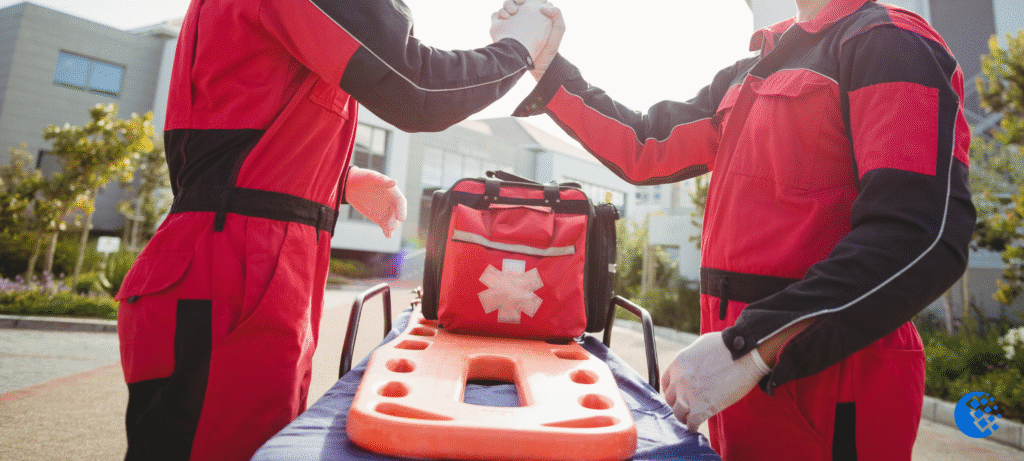
In just the last ten years, the number of natural disasters happening around the world has more than doubled. That alone makes it clear that being ready matters. Whether you’re looking out for your family, leading a business, or helping shape public safety plans, knowing the four core elements of emergency preparedness, mitigation, preparedness, response, and recovery can make a huge difference. This guide walks you through each of these pieces, showing how to use them in real-life situations so you’re not just reacting to crises, you’re ready for them.
Mitigation – Taking Steps to Lessen the Damage
One of the four core elements of emergency preparedness is Mitigation. Mitigation is about doing what you can ahead of time to reduce how badly a disaster might hit you.
What That Looks Like
- Look Around: Figure out your biggest local risks, flood zones, nearby factories, and fault lines.
- Build Smarter: Use materials and techniques that can stand up to storms, floods, or quakes.
- Think Ahead with Land Use: Don’t put important buildings or neighborhoods in risky spots.
- Strengthen What’s Already There: Elevate utilities, upgrade bridges, or add flood walls.
Why It Helps
- Fewer injuries and less property damage
- Lower costs in the long run
- Communities recover faster
When we include mitigation in our regular planning, at home, at work, in the community, we put ourselves in a better position before anything even happens.
Preparedness – Getting Ready Before Trouble Hits
The second element out of the four core elements of emergency preparedness is preparedness. Preparedness is about having a plan, training people, and gathering supplies before an emergency shows up at your door.
The Basics
- Make a Plan
- Know how to get out, who to call, and what everyone’s job is.
- Know how to get out, who to call, and what everyone’s job is.
- Stock What You Need
- Water, non-perishable food, medicine, flashlights, and enough for at least three days.
- Water, non-perishable food, medicine, flashlights, and enough for at least three days.
- Practice
- Run drills. Fire, earthquake, active shooter, know what to do when seconds count.
- Run drills. Fire, earthquake, active shooter, know what to do when seconds count.
- Stay Informed
- Set up alerts on your phone, and install smoke and carbon monoxide detectors.
- Set up alerts on your phone, and install smoke and carbon monoxide detectors.
With solid plans and preparation, you’re not scrambling when disaster strikes. Everyone knows what to do and where to go.
Response – Acting Fast and Working Together
The third element out of the four core elements of emergency preparedness is response. Response kicks in the moment something happens. It’s all about protecting people and making sure the right help gets where it’s needed.
What Happens During a Response
- Leadership Steps Up: Clear communication and roles get everyone on the same page.
- Search and Rescue Teams Mobilize: Helping those who are trapped or injured.
- Set Up Medical Help: Temporary clinics or triage sites offer quick care.
- Keep People Updated: Reliable info through media, social posts, or local announcements.
What Matters Most
- Saving lives
- Keeping key services running
- Preventing panic by staying connected
A fast, organized response makes all the difference and sets the stage for what comes next.
Recovery – Getting Life Back on Track
The 4th element out of the four core elements of emergency preparedness is recovery. Once the worst has passed, it’s time to focus on restoring daily life and learning how to do better next time.
What Recovery Looks Like
- Short-Term
- Clean up debris, restore power and water, and help people find safe shelter.
- Clean up debris, restore power and water, and help people find safe shelter.
- Long-Term
- Rebuild homes and roads, only stronger and safer than before. Provide mental health support.
- Rebuild homes and roads, only stronger and safer than before. Provide mental health support.
- Learn and Adjust
- Review what worked and what didn’t. Update plans so the next time you’re even better prepared.
- Review what worked and what didn’t. Update plans so the next time you’re even better prepared.
| Phase | Goal | Actions |
| Short-Term | Get the basics restored | Cleanup, repairs, and temporary housing |
| Long-Term | Rebuild stronger | Construction, health, and economic help |
| Afterward | Learn and improve | Update plans, train again |
Recovery’s not just about getting back to where you were; it’s about building something more resilient.
New Tech Is Changing the Way We Prepare for Emergencies
Technology is shaking up how we handle every part of emergency preparedness—from preventing damage to recovering after a crisis. These tools aren’t just fancy add-ons—they’re becoming everyday essentials.
- Drones Make a Big Difference
After a disaster hits, drones can fly over the scene and give emergency teams a bird’s-eye view within minutes. The images they capture help identify where the worst damage is and what areas need attention fast. They also highlight where upgrades or repairs should happen next time around.
- Sensors That Keep Watch
Thanks to smart sensors placed on bridges, buildings, and levees, we can keep tabs on things like stress levels, water rise, and structural cracks. These tools send real-time data to early warning systems, giving everyone more time to prepare or evacuate.
- AI That Sees What’s Coming
Using past weather events and damage reports, AI tools now help emergency managers predict how a disaster might unfold. These models help decide where to send supplies or rescue teams before the trouble even starts—saving both time and lives.
- Your Phone Can Save the Day
New mobile apps let people report downed trees, blocked roads, or even medical issues right from where they’re standing. These alerts go straight to emergency teams, helping them respond faster and more accurately.
By weaving these tools into your emergency plans, you get clearer insight, faster action, and better results from start to finish.
Bringing It All Together
The most effective emergency planning ties all four core elements of emergency preparedness together into one solid system.
- Policies That Reflect All Four Areas: Not just ideas, but real actions baked into how you do things.
- Practice Makes Perfect: Full-scale drills test how your plan holds up under pressure.
- Work With Others: Local groups, nonprofits, vendors, don’t go it alone.
- Keep Learning: Update your training and info as threats evolve.
Putting it all into one big picture makes your plans flexible, smart, and ready for whatever comes.
Conclusion
Disasters aren’t always avoidable, but how we prepare for them can make all the difference. Understanding and applying the four core elements of emergency preparedness, mitigation, preparedness, response, and recovery helps protect lives, limit damage, and speed up recovery. Whether you’re preparing for your home, your company, or your community, small steps now can make a huge impact later. Ready to step up your emergency plans? Contact us at ASPIS EMERGENCY PREPAREDNESS.
FAQs
- What are the four core elements of emergency preparedness?
Mitigation, preparedness, response, and recovery.
- How often should we review emergency plans?
Once a year, or right after any big incident.
- What’s the main difference between mitigation and preparedness?
Mitigation lowers the chance of harm; preparedness gets you ready to act if something happens.
- Can small businesses use these steps too?
Absolutely. They can tailor the approach to fit their size and risks.
- Why are partnerships important in emergency planning?
Working with others means more resources, better coordination, and faster response when time matters.