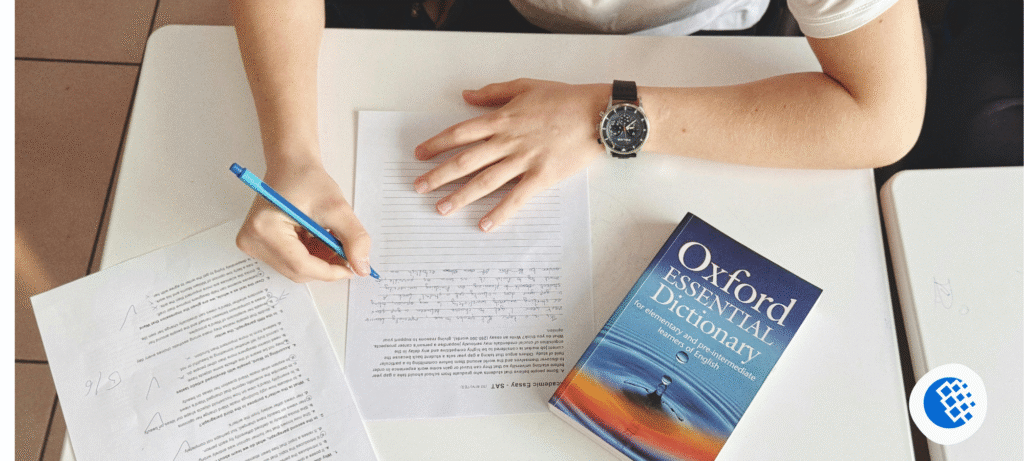

When people talk about how educators design brain friendly lessons, the conversation usually turns scientific very quickly. Neuroscience terms, colorful diagrams, and learning theories pile up. In real classrooms, though, it’s messier than that.
Most educators don’t sit down thinking, “Today I will activate the prefrontal cortex.” They think about attention, fatigue, confusion, and motivation. They notice when students glaze over. They feel it when a lesson lands flat.
Brain-friendly teaching starts there, not in research papers.
I’ve seen teachers accidentally design excellent brain friendly lessons simply because they paid attention to how students reacted. And I’ve seen carefully planned lessons fail because they ignored how the brain handles overload.
What “brain friendly” really means in daily teaching
At its core, a brain friendly lesson respects how humans process information—not how we wish they did, but how they actually do.
Brains like patterns, but not monotony. They need challenge, but not threat. They remember stories better than lists. They learn more when they feel safe, curious, and slightly stretched.
Educators who design brain friendly lessons don’t remove difficulty—they manage it. They space it out. They let ideas breathe.
This is why short pauses matter, why switching activities matters, and why asking students to explain something in their own words changes everything.
Attention is fragile, and teachers learn this the hard way
Attention is the currency of learning. Without it, nothing sticks.
One of the first things educators notice is how quickly attention drops—ten minutes in, sometimes less. That’s not a failure of discipline. It’s biology.
Brain friendly lessons acknowledge this. They break content into chunks, vary tone, and change pace.
A teacher might explain a concept, then stop and ask a question that feels almost casual. Not to test, but to reset attention. That small interruption gives the brain a moment to refocus.
This kind of pacing doesn’t look dramatic from the outside, but it’s doing real work.
Emotion and memory are not separate things

Educators design brain friendly lessons when they realize emotion and learning are linked, whether they like it or not.
Students remember lessons connected to emotion: surprise, relief, mild frustration, satisfaction.
That doesn’t mean turning every lesson into entertainment. It means being aware that emotional tone matters. A classroom that feels tense shuts brains down. A classroom that feels supportive opens them up.
This is especially important in subjects students already fear—math, science, technical topics.
I’ve seen instructors with technical backgrounds, including those who hold a Diploma of Associate Engineer, teach complex material effectively simply because they reduced anxiety: clear steps, calm explanations, and no public shaming for mistakes.
That environment makes the brain more willing to engage.
Cognitive load is where many lessons quietly fail
One of the biggest obstacles to brain friendly teaching is cognitive overload.
Educators often know their subject deeply. That’s the problem. What feels simple to them can overwhelm learners instantly.
When too much information arrives at once, the brain stops processing meaning and starts surviving. Students may look attentive, but retention drops sharply.
Brain friendly lessons limit what’s introduced at one time. They prioritize. They revisit ideas later rather than rushing through everything.
This is also why clarity in assessment matters. When grading systems are confusing, students waste mental energy guessing expectations instead of learning. Tools and platforms that streamline evaluation, like SyncGrades, help reduce this invisible cognitive drain by making performance feedback easier to understand.
Movement, even small movement, helps learning
This sounds obvious, but it’s often ignored.
Brains evolved in bodies that moved. Sitting still for long periods goes against that design. Brain friendly lessons don’t require full physical activity, but they allow some movement.
Standing to discuss, writing on boards, turning to a partner, or even changing posture—all these micro-movements reset attention and oxygen flow. They also reduce restlessness, which is often mistaken for disinterest.
Teachers who embrace this tend to see fewer behavior issues—not because students suddenly became disciplined, but because their brains weren’t trapped.
Why adults designing lessons still need brain friendly principles
Brain friendly design isn’t just for children.
Adult learners struggle too: fatigue, distraction, and prior knowledge interfering with new ideas. Anyone who has taken online optometry continuing education courses knows this feeling. After a long clinical day, attention is limited.
Courses that respect that reality, with shorter modules and clear structure, feel easier to complete—not because they’re simpler, but because they align with how tired brains work.
Educators designing lessons for adults benefit from the same principles: respect time, reduce unnecessary complexity, and make relevance obvious.
One of the most underestimated tools in brain friendly lesson design is storytelling.
Stories give the brain structure. They create cause and effect. They help information stick.
This doesn’t mean fictional stories only—case studies, real examples, mistakes that happened, and decisions that mattered all count.
When educators frame content as a narrative, students engage differently. They anticipate. They wonder what comes next.
Even technical subjects benefit from this approach: engineering problems, medical cases, historical events. The brain likes sequences.
Spacing and repetition matter more than perfection
Educators design brain friendly lessons when they stop trying to be perfect in one session.
Learning doesn’t happen in a single exposure. It happens through spaced repetition—returning to ideas, seeing them in different contexts.
Repetition doesn’t mean copying the same explanation. It means approaching the idea from another angle later.
This is why spiral curricula work better than linear ones, and why teachers who revisit key ideas without apology tend to see deeper understanding.
People also ask
Do brain friendly lessons mean making things easier?
No. They mean making learning more effective. Challenge is still present, just managed better.
Is brain friendly teaching backed by research?
Yes, but good teachers often discover it through experience before reading about it.
Can brain friendly lessons work in large classrooms?
They can, though they require intentional pacing and clarity.
Do exams fit into brain friendly education?
They can, if designed to measure understanding rather than memory overload.
Is technology necessary for brain friendly lessons?
No. Technology can help, but many strategies are low-tech.
FAQs
How long should a brain friendly lesson segment be?
Often shorter than teachers expect—ten to fifteen minutes before some form of reset.
Do all students respond the same way?
No. Brain friendly design increases overall engagement, not uniform reactions.
Is silence important?
Yes. Reflection time helps consolidation.
Can rigid curricula allow brain friendly lessons?
Often yes, through pacing and delivery rather than content changes.
Final Thoughts
Educators design brain friendly lessons not by following a checklist, but by paying attention—to faces, to energy shifts, to confusion that lingers longer than expected.
The brain doesn’t care about lesson plans. It cares about clarity, safety, and meaning.
Teaching that respects those realities doesn’t always look impressive. Sometimes it looks slower. Sometimes quieter. Sometimes unfinished.