Do you feel lost teaching Pilates because your clients struggle with core strength? Many people have weak abdominal muscles, hip flexors, or back muscles, which can lead to pain and poor posture.
This guide will show simple ways to build strong Pilates foundations using clear exercises that focus on the whole core, not just six-pack abs. You may never look at a plank the same way again.
Understanding the Core in Pilates
The core is much more than just your belly or abs; think of it as your body’s strong center, holding everything together from the rib cage down to the hip bones. In Pilates studios, teachers focus on this area using breath control and controlled movement, helping every muscle—like abdominals and pelvic floor—work in harmony for better balance and strength during physical activity.
The ‘Powerhouse’ and Its Role in Movement
Joseph Pilates called the core muscles the “powerhouse.” This powerhouse is not just your abs. It covers your belly, lower back, hips, and pelvic floor. These deep stabilizing muscles work like a strong base.
Think of them as your body’s natural back brace. They help you stand tall, keep good posture, and protect the spine from injury.
Every movement in Pilates starts with this powerhouse area. Tightening these core muscles supports balance and control in daily tasks or sports like weightlifting or cycling. If you use your abs, lower back muscles, hip flexors, or even butt during physical activity—your powerhouse kicks into gear to steady you.
Training it well can prevent low back pain and build functional strength for everything from standing on one leg to pressing up out of bed in the morning.
To enhance your teaching skills, consider pursuing a mat Pilates certification that emphasizes core strength and stability.
Beyond Abs: Engaging the Entire Core
Core strength goes beyond just the abs. It involves many muscles that support the body. This includes your lower back muscles, pelvic floor, and obliques. Each of these plays a role in stability and movement.
Engaging all of these core muscles helps with posture improvement and functional movement. A strong core supports your spine alignment. It also protects against injuries and chronic low back pain.
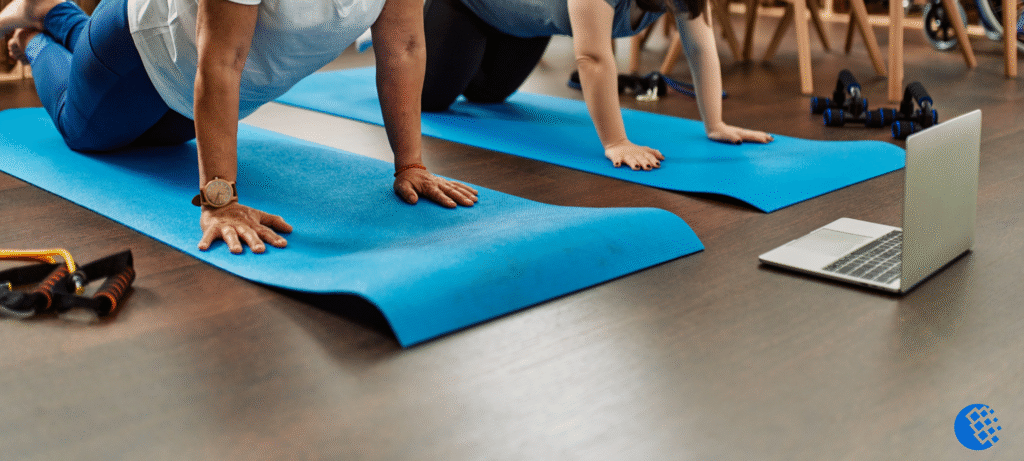
Exercises like Plank strengthen both abdominal muscles and deep stabilizing muscles at the same time. Focus on breath control during workouts to enhance core stability and encourage a better mind-body connection while you move.
The more you engage your entire core, the stronger you’ll feel inside out.
Key Elements of Core-Focused Pilates Training
Core-focused Pilates training has some key parts. Breath control is one of them. It helps you stay stable while you move. Mindful muscle engagement is also important. You need to focus on where your muscles are working, like the abdominal muscles and pelvic floor.
These elements help build a strong foundation for any instructor. They create better results for clients too!
Breathwork for Stability and Control
Breathwork plays a key role in controlling movement. It helps stabilize the core muscles, including the transverse abdominis and pelvic floor. Deep breathing enhances our mind-body connection, which improves posture and spinal alignment.
As you inhale deeply, your abdomen expands; as you exhale, it contracts. This controlled breath supports the abdominal muscles while keeping the lower back relaxed.
Using breath control during exercises builds stability. It allows for better focus on each movement and reduces risk of injury. With proper technique, clients will notice greater strength gains and increased balance improvement over time.
Next up are some foundational Pilates exercises that build core strength effectively.
Precision and Mindful Muscle Engagement
Precision and mindful muscle engagement are key in Pilates. This means using your core muscles with care. Focus on how you move each part of your body. Your abdominal muscles, pelvic floor, and lower back work together to support you.
Active control helps prevent injury too. Engaging the transverse abdominis strengthens stability for better posture improvement. Think about every movement you make; this builds a strong mind-body connection.
Use breath control as you engage these deep stabilizing muscles during exercises like planks or The Hundred. Mindful movements lead to greater strength and improved athletic performance over time, making each session valuable.
Foundational Pilates Exercises for Core Strength
Some key Pilates exercises build core strength effectively. The Hundred gets your blood pumping and strengthens those abs. Plank challenges your stability, engaging the whole body from head to toe.
Rolling Like a Ball is fun and works on balance while massaging your spine. These moves don’t just tone you up; they also improve posture and prevent lower back pain. Wanting to strengthen that powerhouse? Let’s get moving!
The Hundred
The Hundred is a classic Pilates exercise that builds core strength. You start lying on your back, with your legs in the air. Then, you lift your head and shoulder blades off the mat.
Your arms stretch out beside you. This position engages your abdominal muscles, including the rectus abdominis and transverse abdominis.
As you pulse your arms up and down, breathe deeply and evenly. Inhale for five counts; then exhale for five counts. This breath control helps stabilize your core and improves spinal alignment.
It also strengthens deep stabilizing muscles while challenging balance and coordination. The Hundred enhances core stability and boosts body awareness during workouts.
Plank
Moving from The Hundred, the plank is another important exercise for core strength. It builds stability and control in your body. Start by lying face down on a mat. Then, lift your body off the ground using your hands and toes.
Keep your body straight like a board.
Engage those core muscles! Feel it in your lower back and abdominal muscles as you hold this position. Your shoulders should be over your wrists, and keep your elbows slightly bent to protect them.
Hold tight for 20 seconds to start; work up to longer holds over time. This controlled movement strengthens the core and also aids in posture improvement, spinal alignment, and athletic performance too!
Rolling Like a Ball
Rolling Like a Ball is all about fun and strength. This exercise targets your core muscles, especially the transverse abdominis and rectus abdominis. You start by sitting on your mat, hugging your knees to your chest.
Then, you lean back slightly while balancing on your tailbone.
As you roll back onto your shoulders, keep the movement controlled. Use breath control to help stabilize your spine and engage those deep stabilizing muscles in the lower back as you return to a seated position.
This move improves core stability and enhances balance and functional strength in daily activities. Plus, it’s great for relieving tension along the spine!
Benefits of Core-Focused Training for Pilates Instructors
Core-focused training offers clear perks for Pilates instructors. It sharpens how you teach and strengthens your clients’ results. Stronger core muscles lead to better posture and balance in your students.
Plus, when they see real progress, it boosts their mood—and yours too!
Improved Instruction Techniques
essential for movements that help you stay fit and improve overall body alignment.
Good instruction techniques make a big difference in Pilates. Focusing on core strength is key for every session. Engaging the abdominal muscles, pelvic floor, and hip flexors helps clients move better.
Instructors should share breath control tips to improve stability. This boosts the mind-body connection too.
Using clear cues about movements builds confidence. Explaining spinal alignment while doing exercises like planks or The Hundred enhances understanding. Correct muscle engagement leads to progress and fewer aches in the back or joints.
Strong guidance means happy clients who see results from their training right away!
Enhanced Client Results and Satisfaction
Pilates instructors gain a lot from core-focused training. Clients see quick results in their strength and stability. Core training helps improve posture, injury prevention, and athletic performance.
Instructors can better teach techniques like breath control and mindful engagement of muscles.
Satisfied clients come back for more sessions. They notice less low-back pain and improved balance. With exercises like the plank, they build functional strength in their core muscles, lower back muscles, and hips.
This makes every session rewarding for both instructor and client alike!
Conclusion
Building strong foundations in Pilates starts with core-focused training. Core strength helps with balance, posture improvement, and injury prevention. When instructors understand the powerhouse of the body, they can guide clients more effectively.
As a result, students get better results and leave happier. Strengthening that center is key; it makes every movement smoother and safer for everyone involved.