
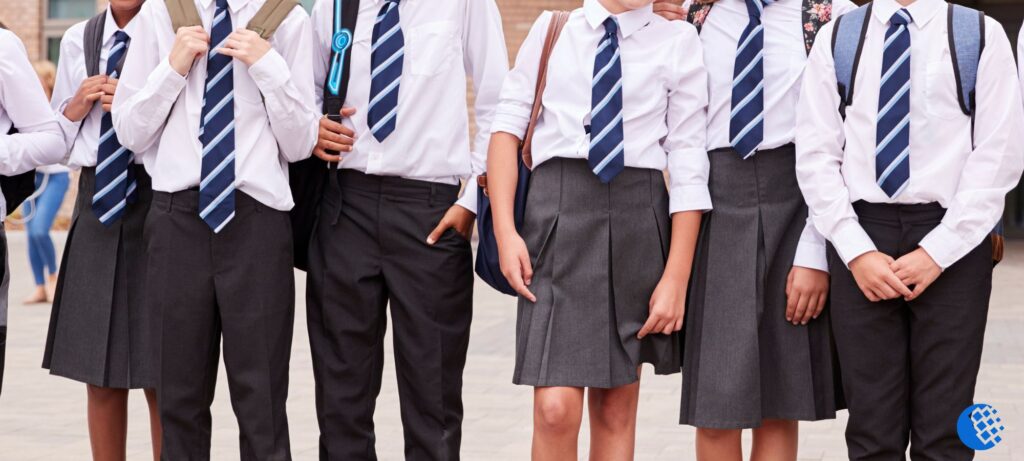
If you step foot into pretty much any middle or high school these days, you will notice right away that what kids wear is still a giant battleground. Even though classrooms, tech, and teaching methods have totally flipped over the last few decades, a lot of school boards still fall back on a strict uniform rule to keep a lid on things and maintain some order.
For principals, counselors, parents, and honestly, the kids themselves, deciding on a mandatory dress policy is never a walk in the park. It sits right at that stressful intersection of tight family budgets, neighborhood standards, and a teenager’s deep need to show off their personality. To really understand why this setup isn’t going anywhere—across both public schools and private schools globally—you have to look past the fabric and talk about how it actually changes daily behavior, household spending, and schoolyard drama.
Key Takeaways
- No Dress-Code Label Wars: It completely hides family income levels, so kids aren’t getting judged by their outfit.
- Way Less Classroom Drama: Takes a student’s focus off expensive retail trends and channels it back into passing tests.
- Instant Hallway Security: Staff can spot a random stranger instantly because every student is wearing the exact same colors.
- Preps Them for the Future: Getting used to daily clothing guidelines early makes entering the workforce later way less of a shock.
- The Real Cons: Critics are quick to point out that it squashes creative style and can feel terribly uncomfortable on certain body shapes.
Direct Answer: Why Should Students Wear Uniforms?
Honestly, schools should go with uniforms because they take a massive amount of vanity, stress, and daily distraction out of the learning environment. By getting rid of pricey brand-name labels, you immediately cut down on clothing-based teasing, status cliques, and bullying. Plus, it makes hectic school mornings incredibly simple for parents, saves families a boatload of cash, and helps teenagers learn professional dress standards well before their first real job interview.
What Are School Uniforms?
Let’s clear up a common mix-up right out of the gate: a uniform rule is totally different from a regular student dress code. A standard dress code just gives you a list of things you cannot wear—like a rule banning ripped jeans, short shorts, or shirts with wild graphics on them. A uniform policy is way more direct. It leaves no choice, dictating the exact pieces of clothing you must wear when you show up for homeroom.
┌────────────────────────────────────────────────────────┐
│             DRESS CODE VS. UNIFORM POLICY              │
├────────────────────────────────────────────────────────┤
│  ► Student Dress Code:   Sets boundaries & restrictions│
│                          (e.g., "No ripped jeans")     │
│                                                        │
│  ► Standard Uniform:     Dictates explicit garments    │
│                          (e.g., Navy blazer, tan polo) │
└────────────────────────────────────────────────────────┘
Historically, you really only saw these kinds of strict dress requirements if you went to a private academy or a high-end boarding school. But over the last twenty or thirty years, public schools have been adopting them left and right. They use them to cut down on discipline issues, make campuses safer, and bring the student body closer together. Depending on where you live, these outfits can range from old-school blazers and ties to simple, highly affordable combos like khaki pants and solid-color polo shirts.
10 Reasons Why Students Should Wear Uniforms in School
When you stop and look at what teachers deal with every day, what actually keeps a campus secure, and the pressure on a parent’s wallet, the arguments for standardizing clothing make a lot of practical sense. Here are the top 10 reasons why students should wear uniforms in school:
1. Promotes Equality Among Students

Think about a typical classroom where one kid walks in wearing five-hundred-dollar designer kicks and the kid sitting next to them is wearing worn-out, unbranded shoes from a discount bin. When a school lets everyone wear whatever they want, family income gaps are out in the open every single morning. This visual reminder of who has money and who doesn’t makes it incredibly easy for snobby cliques to form.
But when every single kid puts on the exact same polo and pants, those obvious wealth indicators disappear. It creates a genuinely fair social environment. Kids from struggling backgrounds can walk down the hall without feeling self-conscious, anxious, or singled out over their clothes. It gives every student the exact same start.
2. Reduces Bullying and Peer Pressure
Middle school and high school are tough enough without the constant pressure to fit in. When a student’s social status depends entirely on buying the newest fashion trends, kids who cannot afford those brands wind up becoming instant targets for teasing and isolation.
Enforcing a standard uniform completely breaks this toxic cycle. By taking expensive trends out of the social mix, you eliminate the easiest target bullies use to pick on people. When everyone looks the same, the obsession with consumer brands drops, letting kids build real confidence based on who they are, not what they buy.
3. Improves Focus on Academics
Let’s face it: classrooms work a lot better when there are fewer distractions pulling at a teenager’s attention. When kids spend their day checking out what their peers are wearing, stressing over their own outfit, or trying to push the boundaries of casual style, they simply aren’t focused on the lesson plan.
A uniform creates a healthy mental boundary. It tells a kid’s brain that casual free time is over and it’s time to get to work, much like putting on a uniform for a sports team or a job. That shift helps improve concentration, making the learning environment quieter and way more productive.
┌────────────────────────────────────────────────────────┐
│          THE CLASSROOM CONCENTRATION SHIFT             │
├────────────────────────────────────────────────────────┤
│  WITHOUT UNIFORMS:                                     │
│  Fashion Trends ➔ Peer Comparison ➔ Classroom Focus    │
│                                                        │
│  WITH UNIFORMS:                                        │
│  Standard Attire ➔ Equal Footing ➔ Academic Success     │
└────────────────────────────────────────────────────────┘
4. Creates School Identity and Unity
There is a very clear reason sports teams wear identical jerseys: it builds a feeling that you’re part of a unit. Standardized school clothes do the exact same thing for a student body. Walking onto a campus where everyone shares a visual identity builds instant pride and a genuine sense of belonging. It constantly reminds kids that they are all on the same team, which naturally helps melt away exclusive cliques and gets people working together.
5. Saves Time Every Morning
We’ve all seen how chaotic a regular school morning can get. Trying to dig through laundry, fighting over whether an outfit is appropriate, and matching pieces can eat up a massive amount of time and cause a ton of stress before anyone even leaves the house.
A uniform gets rid of that daily headache entirely. Morning prep becomes automatic and simple. Kids can get a little extra sleep, actually sit down for a decent breakfast, and show up at the school door on time and completely relaxed instead of running late and flustered.
6. Helps Parents Save Money
Trying to keep a growing kid in trendy, multi-season clothes is an absolute nightmare for a household budget. Kids grow like weeds, and trying to constantly refresh a closet full of name-brand casual wear can drain a family’s bank account fast.
Uniforms are an incredibly budget-friendly alternative. Since they are designed for heavy daily wear, they are usually much tougher than regular retail clothes and last longer. Parents can buy a few basic pieces that carry through the whole year. Plus, lots of schools run hand-me-down uniform swaps, which cuts costs even more.
7. Enhances Campus Safety
Keeping kids safe is the most important part of running any school today. When a student body can wear whatever they want, it is incredibly tough for security guards or teachers to spot someone who doesn’t belong on campus.
Standard outfits give staff an instant visual security check. If someone wanders onto the property or into a hallway without the official school colors or gear, they stand out immediately. This lets staff react fast and keeps the whole campus way more secure.
8. Encourages Discipline
Sticking to a daily dress rule helps teach young people accountability and how to respect boundaries. Waking up, making sure an outfit is clean, and wearing it the right way builds a strong baseline of personal responsibility. This habit of showing up prepared usually bleeds into other habits too, helping kids stay on top of their attendance, homework deadlines, and classroom behavior.
9. Encourages Character Over Appearance
When you take away the ability to show off or grab attention with flashy clothes, you force kids to stand out using who they actually are on the inside. True self-esteem stops being about what brand name someone can buy. Instead, it shifts to real personal values—like a student’s artistic talents, how fast they are on the track, their sense of humor, or just how kind they are to others. It teaches young people to value friends for their actions, not their labels.
10. Prepares Students for Professional Life
The ultimate goal of school is to get kids ready to handle the real world. The vast majority of adult jobs out there come with some kind of dress code. Whether that’s formal corporate suits, medical scrubs, hospitality gear, or specific safety uniforms for trade work, adults have to dress for the job. Wearing a uniform every day helps teenagers understand this reality early, teaching them how to present themselves properly in a professional environment.
10 Reasons Why Students Should Not Wear Uniforms
To be completely fair, we also have to look at the other side of the coin. Parents, students, and civil liberties groups make some great points about why mandatory uniform policies can backfire.
- Limits Self-Expression: Critics point out that clothing is a major way teens figure out who they are, and making everyone look identical can stomp out personal creativity during huge developmental years.
- Reduces Individuality: Strict clothing rules can give a school a cold, corporate feel, making it seem like the administration values obedience over independent, creative thinking.
- Can Be Uncomfortable: Standardized materials, stiff collars, and generic cuts don’t fit every body type perfectly, which can cause physical discomfort that distracts kids during a long day.
- Additional Upfront Costs: While uniforms save cash over time, having to buy custom branded blazers or specific skirts from one official supplier can be a massive financial shock right at the start of the school year.
- Cultural and Religious Concerns: Fixed dress rules can accidentally run into conflicts with traditional hairstyles, cultural clothing choices, or religious garments if the school board isn’t flexible and accommodating.
- Difficult Enforcement Burden: Teachers and school principals can end up wasting a ton of energy acting like dress code cops—checking shirt tucks and sock colors—instead of focusing on actual teaching and mentoring.
- Fails to Solve Underlying Issues: Opponents argue that matching outfits only put a band-aid over deep social issues like bullying or poverty on the surface, instead of fixing them through counseling and real talk.
- Gender Binary Enforcement: Old-school rules that force girls into skirts and boys into pants can cause serious emotional stress and discomfort for non-binary or transgender students.
- Lack of Student Buy-In: When administrators drop strict rules from the top down without asking the actual kids what they think, it usually leads to resentment and a culture of kids trying to break the rules on purpose.
- No Direct Link to Intelligence: Skeptics love to point out that putting on a certain color polo shirt has absolutely zero proven, scientific impact on a child’s raw brainpower or their actual test scores.
School Uniforms Advantages and Disadvantages
If you want a quick, straight-to-the-point look at how the pros and cons match up against each other, check out this simple breakdown:
Comparison Matrix: Uniforms vs. No Uniforms
| Factor | With Mandatory Uniforms | Without Uniforms (Open Dress Code) |
| Socioeconomic Divides | Hidden: Erases visible wealth differences and labels. | Visible: Brand names display family income gaps. |
| Peer Pressure & Bullying | Lower: Takes away easy clothing targets for bullies. | Higher: Intense pressure to wear pricey, trendy clothes. |
| Campus Security & Safety | Better: Staff can spot a stranger on campus instantly. | Moderate: Much harder to quickly spot an outsider. |
| Morning Preparation Routine | Fast: Zero guesswork; the choice is already made. | Slower: High daily outfit anxiety and morning arguments. |
| Student Self-Expression | Restricted: Focuses energy on internal traits. | High: Gives kids total freedom to show off their style. |
| Physical Comfort Variation | Variable: Standardized, sometimes stiff generic fits. | High: Students pick fabrics that fit their bodies best. |
School Uniform Statistics and Research
When you dig into actual educational policy, it helps to check out real numbers instead of just guessing. Data from the National Center for Education Statistics (NCES) shows that uniform adoption has been going up steadily for twenty years. Right now, about 20% of public schools in the U.S. require a uniform.
The numbers on school safety are pretty interesting too. A few long-term studies that tracked big city school districts saw a clear drop in principal referrals, schoolyard fights, and property damage once standard uniforms were brought in. While researchers are still arguing over whether matching shirts directly lead to better grades, the numbers do show a clear tie to better daily attendance, a calmer vibe, and more focused classrooms.
School Uniforms Around the World
How schools handle clothing changes massively depending on where you look globally, showing what different cultures care about:
- United States: For a long time, uniforms were strictly a private school thing, but public schools in big city areas are using them more and more to bridge economic gaps and boost safety.
- United Kingdom: A huge majority of British schools, both primary and secondary, require official uniforms. This usually means structured blazers with school crests, button-down shirts, ties, and specific slacks or skirts.
- Japan: Known everywhere as seifuku, uniforms are an iconic part of youth culture. Most middle and high schools require sailor-style outfits for girls and high-collared jackets (gakuran) for boys.
- Australia: Because the sun down under is incredibly intense, Aussie uniforms are all about practicality. They almost always include wide-brimmed sun hats along with lightweight polos and shorts.
10 Reasons Why Students Should Wear Uniforms Essay
Because teachers love assigning this topic for speech classes, English papers, and debate prep, students are always looking for a solid blueprint to structure their arguments. If you’re figuring out how to pull your thoughts together for a class paper, looking at guides like How to Write an Essay Tumblr Style can give you some excellent, fresh ideas on how to keep your tone readable and authentic.
To write a strong persuasive paper, you just need a clear, logical flow that takes the reader through your main points. Here is a clean, 250-word essay example that you can use to inspire your own writing:
Persuasive Essay Example (250 Words)
The question of whether schools should make uniforms mandatory is still a major talking point for teachers, parents, and students alike. While critics often worry that strict dress codes crush a child’s personal freedom and creativity, the social, safety, and financial benefits of uniform policies make them an incredibly smart choice. Ultimately, standardizing what students wear is a practical way to build a safer, fairer, and more focused environment for learning.
The biggest reason to support uniforms is that they act as a great equalizer. When kids can wear whatever they want, family income levels are on display every single day, which easily leads to social cliques and teasing. Uniforms remove these visual wealth markers completely. This means a student from a low-income background can walk into school feeling equal to everyone else, allowing kids to focus on their actual studies and personal character instead of worrying about fitting in with expensive retail trends.
On top of that, uniforms make campuses significantly safer. When every student is dressed in the exact same colors, teachers and security staff can instantly spot an outsider who doesn’t belong on school grounds. For parents, uniforms save massive amounts of money and eliminate the daily stress of morning outfit arguments.
In conclusion, while being able to express your personal style is a fun part of growing up, it shouldn’t get in the way of school safety, financial fairness, and focus. School uniforms offer a sensible foundation that cuts down on bullying, keeps kids secure, and builds a supportive community dedicated to education.
How to Properly Implement a School Uniform Policy
If a school community actually decides to make the switch to a standardized dress plan, the transition has to be handled with real care. If administrators just force it down without listening, it usually backfires. Leadership should focus on open communication and working directly with families from day one.
┌────────────────────────────────────────────────────────┐
│             SUCCESSFUL IMPLEMENTATION STEPS            │
├────────────────────────────────────────────────────────┤
│  1. Conduct Open Focus Groups with Parents & Teachers  │
│  2. Offer Flexible Garment Options for Student Comfort │
│  3. Form Partnerships with Low-Cost Uniform Suppliers │
│  4. Establish a Financial Subsidy or Clothing Closet   │
│  5. Review and Adapt the Policy Based on Annual Data  │
└────────────────────────────────────────────────────────┘
A great trick is to give students a real voice by letting them vote on specific parts of the uniform, like picking the secondary accent colors or choosing between shorts and pants. If you happen to be a student leader trying to rally your classmates or draft a formal proposal for your school board, reading through real-world Manifesto Examples for Students can give you a fantastic guide on how to frame your ideas professionally so adults actually take you seriously.
Frequently Asked Questions
Why is it important for students to wear uniforms?
Uniforms are important because they strip away the distractions of status and fashion from the classroom. They cut down on bullying, make campuses safer, hide wealth gaps, and help kids focus their energy on their actual education and personal growth.
Do school uniforms actually reduce bullying?
Yes, quite a few school safety studies show that standardizing student clothes helps drop teasing and social exclusion. When bullies can’t target kids for wearing old, unbranded, or repeated clothing, the entire school culture becomes a lot friendlier and more inclusive.
What are the main disadvantages of school uniforms?
The biggest complaints are that they limit a kid’s personal self-expression, can feel stiff or uncomfortable on certain body types, and can cause a stressful upfront financial expense for low-income families right before the school year starts.
How do uniforms prepare students for professional life?
They teach teenagers early on that different settings require different levels of professionalism. Getting dressed for school every day helps students understand how to follow dress codes, stick to grooming guidelines, and present themselves properly in future workplaces.
Are school uniforms expensive for parents?
Even though buying custom school pieces can feel pricey during back-to-school week, they almost always save families cash over the course of the whole year. They drop the need to constantly buy a massive collection of trendy casual clothes, and the fabrics are typically tough enough to take a beating all year long.
Final Thoughts
At the end of the day, launching a mandatory uniform policy isn’t about taking away a child’s personality or turning kids into robots. It’s about creating a safe, balanced space where everyone gets a fair shot. When you build a school where kids are valued for their kindness, intelligence, and effort rather than the brand names on their shirts, you set them up for a much brighter future.
If you want to dig deeper into the official data around childhood development and school safety, take a look at the open resources on the U.S. Department of Education website. For a more global perspective on educational budgets and changing classroom trends, you can browse through the public research libraries over at UNESCO.