Key Takeaways
- Chinese programmes are typically structured according to age, proficiency, and academic requirements.
- Foundation programmes focus on basic language skills and vocabulary development.
- Intermediate programmes strengthen comprehension, oral communication, and writing abilities.
- Advanced and Higher Chinese programmes introduce more complex language usage and analysis.
- Choosing the appropriate level helps students learn at a pace that matches their abilities.
Introduction
Chinese language education is available at various levels to support students with different learning needs and academic goals. Some learners require support in building fundamental language skills, while others may be preparing for advanced examinations or Higher Chinese. Understanding how Chinese programmes are organised helps parents and students select suitable courses based on proficiency and learning objectives. Many providers of Chinese tuition in Singapore structure their programmes progressively so students can build skills systematically while meeting school requirements.
Foundation-Level Programmes
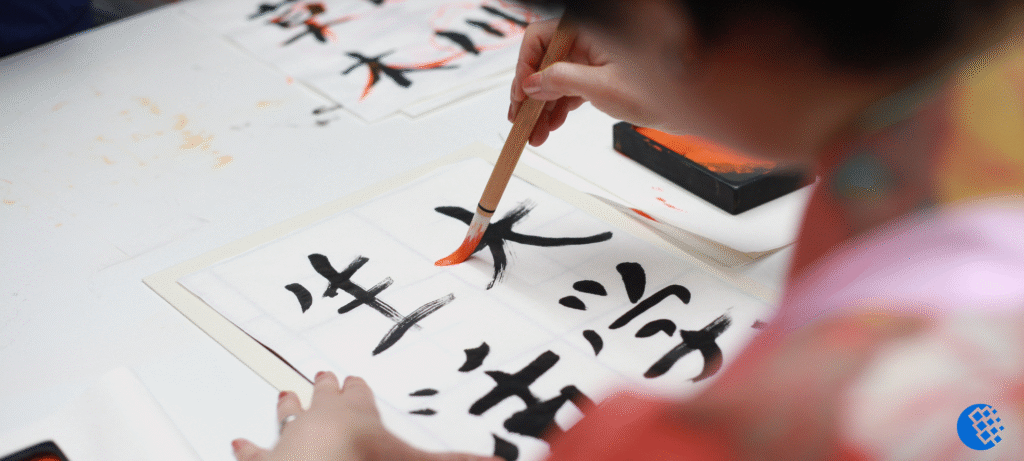
Foundation-level programmes are designed for students who are beginning their Chinese language journey or require additional support with basic concepts. These courses focus on vocabulary building, sentence construction, character recognition, pronunciation, and simple reading comprehension. Lessons are usually structured to strengthen listening, speaking, reading, and writing skills simultaneously.
At this level, students learn how to communicate using everyday language and develop familiarity with commonly used Chinese characters. Teachers often provide guided practice and repetition to reinforce learning. A strong foundation is important because it supports future progress and prepares students for more challenging language tasks as they advance through their education.
Intermediate-Level Programmes
Intermediate programmes are intended for students who already possess basic Chinese language skills and are ready to handle more complex content. The curriculum typically includes longer reading passages, expanded vocabulary, composition writing, and more detailed grammar instruction. Students are expected to apply language concepts more independently while improving their ability to understand and interpret texts.
Oral communication also becomes more structured at this stage. Students learn how to express opinions, participate in discussions, and answer examination-style questions. Many intermediate courses place considerable emphasis on comprehension and writing because these skills are frequently assessed in school examinations. Consistent practice at this level helps learners strengthen their overall language proficiency and prepare for higher academic expectations.
Advanced and Higher Chinese Programmes
Advanced programmes are designed for students who demonstrate strong Chinese language abilities and are capable of working with more demanding material. These courses introduce sophisticated vocabulary, advanced sentence structures, and complex reading passages. Students are encouraged to analyse texts, develop stronger writing techniques, and communicate ideas with greater accuracy.
Higher Chinese programmes generally require learners to demonstrate a deeper understanding of the language. Lessons often focus on critical reading, advanced composition writing, and discussion of broader topics. Students are expected to use Chinese confidently across different contexts while developing stronger analytical and communication skills. These programmes are commonly chosen by students seeking greater academic challenges.
Specialised and Enrichment Programmes
In addition to standard academic courses, many institutions offer specialised programmes that focus on specific language areas. These may include oral preparation classes, composition-writing workshops, reading enhancement courses, and examination-focused programmes. Such courses are designed to address individual learning needs and target areas that require improvement.
A Chinese language centre in Singapore may offer specialised options for students who need additional support in particular components of the language. These programmes allow learners to focus on specific skills while complementing their regular Chinese studies.
Conclusion
Chinese programmes are available at different levels to accommodate varying proficiency levels and educational goals. Foundation courses build essential language skills, intermediate programmes strengthen comprehension and communication, while advanced and Higher Chinese courses develop deeper language competency. Understanding these levels helps students select programmes that match their abilities and learning objectives. Whether enrolling in a Chinese language centre or seeking Chinese tuition in Singapore, choosing the appropriate level can support more effective and structured language development.
Contact Tien Hsia Language School and discover a programme that matches your child’s Chinese proficiency level.