

Got a kid who can name every dinosaur, every ocean predator, and half the animals at the local zoo before they’ve even had breakfast? Then a zoology homeschool curriculum is probably one of the easier “yeses” you’ll give this year. It barely feels like school to the kid, honestly, but it’s still doing the real work — classification, ecosystems, some basic biology, and a decent amount of the scientific method, all hiding behind something they already love.
The hard part was never whether to teach zoology. It’s picking one program out of the pile that actually fits your family. Age, worldview, budget, how much mess and prep you’re willing to deal with — none of that lines up neatly with whatever Google decides to show you first.
What Is a Zoology Homeschool Curriculum, Exactly?
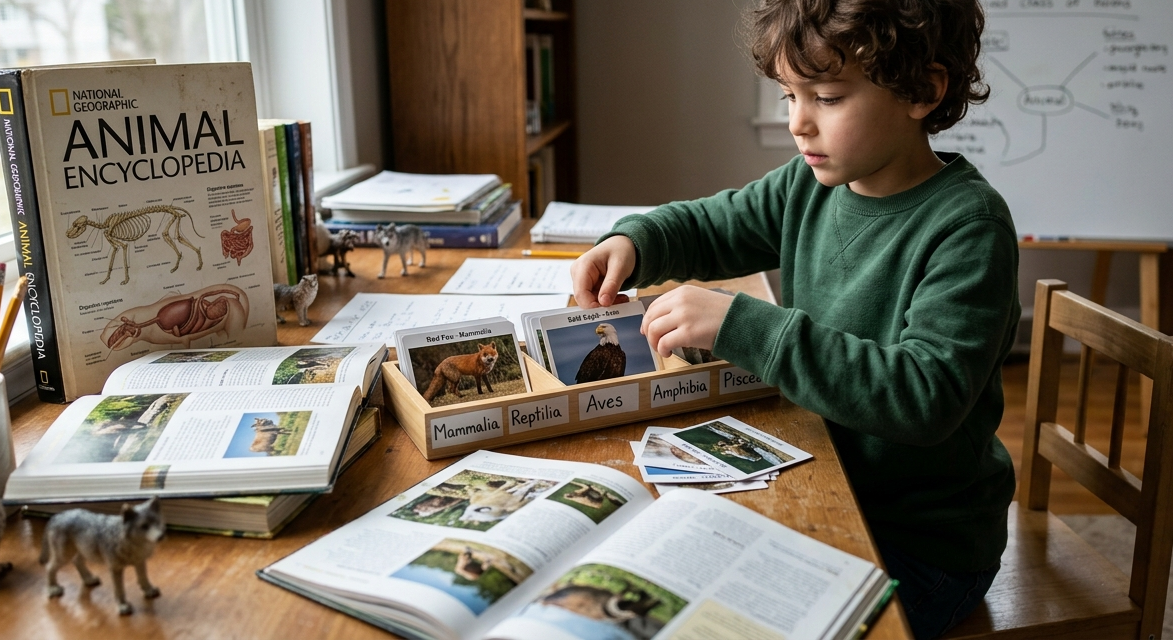
Zoology, at the most basic level, is just the study of animals — how they’re grouped, how they act, how they survive where they live. A zoology homeschool curriculum takes all of that and turns it into something a kid can sit down and actually do: some reading, a few activities, maybe a lab here and there, and usually a notebook where they jot down what they’ve learned. A lot of these programs quietly double as life science, which comes in handy if you’re also trying to check off a general science requirement for the year.
Why Bother Teaching Zoology at Home?
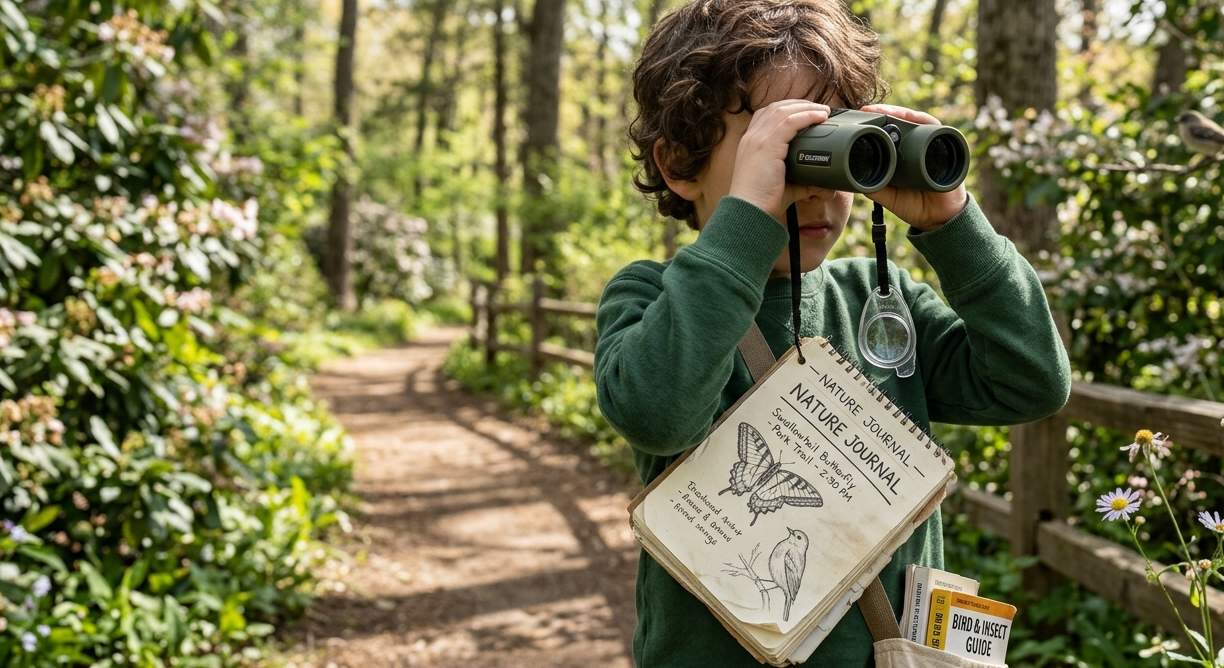
Ask a few homeschool parents why they picked zoology and you’ll hear a lot of the same answers. It teaches kids to actually observe things — watch an animal, write down what happens, figure out why — which is really just the scientific method wearing a disguise. It ties in naturally with nature study too, something plenty of families are already doing without calling it that. And for a kid who tunes out during a dry science chapter, wrapping the lesson around animals they’re already curious about tends to keep them engaged a lot longer.
How to Choose the Best Zoology Homeschool Curriculum
Before spending anything, figure out the basics first: how old is your child, do you want faith-based or secular content, how much hands-on work can you realistically manage, and what’s the budget. Some parents just want a textbook they can hand over and walk away from. Others want the messier unit-study version — games, printables, room to jump around instead of following a strict order.
Not totally sure you can pick the right one on your own? Fair enough — there are actual professionals whose whole job is curriculum planning, and this rundown of what a curriculum specialist does is worth a quick read if you’d rather approach the decision the way they would, even if you’re the one doing all the work at home.
Best Zoology Homeschool Curriculum Options
Here’s roughly how the popular ones compare:
- Apologia (Exploring Creation series) — Charlotte Mason-style and faith-based, built for around K–6. Big on narrative reading and notebooking journals, with a young-earth creationist worldview baked in.
- Master Books (Elementary Zoology) — Also faith-based, more of a structured, open-and-go course aimed at 4th–6th grade. Good if you don’t want to plan much yourself.
- Future Zoologist Academy — Digital, subscription-based, and secular. Around $9.99 a month or $100 a year, and genuinely made for kids who are a little obsessed with animals.
- Easy Peasy All-in-One Homeschool — Completely free and Christian, covering zoology through readings, videos, and interactive pieces. Hard to argue with the price tag.
- Harbor and Sprout — Secular, hands-on, and unit-study style — think anatomy, games, and tracing sheets. Popular with families who like a DIY, patchwork feel to their school day.
- Nancy Larson Science — Made for younger kids, and manages to be both thorough and genuinely fun at the same time.
- Outschool — Not self-paced at all — live, teacher-led classes online. A solid pick if your child does better with an actual teacher and classmates, virtual or not.
None of them is objectively “the best” one out there. It really comes down to faith-based versus secular, and whether your kid does better with a textbook or something more hands-on.
Best High School Zoology Homeschool Curriculum
Older kids need something with a bit more weight to it — labs, actual lab reports, work that can count toward a real science credit. Apologia’s high school zoology option goes deeper than the elementary series, and plenty of families pair it with a broader biology course to cover college-prep requirements properly.
At this age, zoology tends to turn into a research subject too — essays, write-ups, longer assignments than younger kids get. If your teen has a research paper coming up as part of their science work, this high school research paper example is worth saving, since the format carries over well to a paper on a specific species or ecosystem.
High schoolers studying zoology are usually juggling test prep at the same time too, so it’s not a bad idea to fold in some general academic prep alongside the science reading — these SAT reading and writing tips actually pair pretty well with the dense reading a high school zoology course tends to throw at kids.
Free Zoology Homeschool Curriculum Options
Tight on money? You’re not stuck. Easy Peasy is free and covers a full zoology course on its own. Past that, there’s a decent amount of solid, education-quality material out there you can build lessons around without spending a cent. The Smithsonian’s education resources work well for classification and habitat units, and National Geographic Education has a big library of animal-focused lessons and media that can either supplement a paid curriculum or serve as the whole backbone of a free one you put together yourself.
What Topics Should a Good Zoology Curriculum Cover?
At a minimum, you want animal classification, vertebrates and invertebrates, mammals, birds, reptiles, amphibians, fish, and insects — plus habitats, adaptations, and food chains. The better programs go further, into ecology, animal behavior, and conservation. Whether evolution comes up at all depends entirely on whether you went faith-based or secular, so it’s smarter to check that before buying, not after.
How Much Does It Cost?
Free options exist — Easy Peasy, or anything you piece together yourself from public resources. Paid textbook-style options like Master Books or Apologia usually run somewhere between $30 and $120 for a full course. Subscription programs like Future Zoologist Academy land around $100 a year. Live online classes through something like Outschool are usually priced per class, and that adds up quick if you’re signing up for more than one.
Frequently Asked Questions
What is the best zoology homeschool curriculum?
There isn’t really one single answer. Apologia and Master Books are solid faith-based picks, while Easy Peasy and Harbor and Sprout work better for secular, budget-minded families.
Can zoology count as high school biology credit?
It can count toward a science credit, especially with labs and a broader biology component attached, but double-check your state’s homeschool rules before assuming it covers biology on its own.
Is there a free zoology homeschool curriculum?
Yes — Easy Peasy All-in-One Homeschool has a full, free online zoology course, and you can round it out with resources from places like the Smithsonian and National Geographic.
What grade level is zoology usually taught?
Most dedicated zoology programs are aimed at elementary through middle school, roughly grades 1 through 7, though high school versions with heavier labs and reading exist as well.
Is Apologia Zoology worth the cost?
For families who want a faith-based, Charlotte Mason-style approach with strong notebooking work, most parents seem to think it’s worth it. Secular families will probably want to look somewhere else.
Final Thoughts
At the end of the day, picking a zoology homeschool curriculum comes down to knowing your kid and being honest about how much prep you’re actually willing to do. Whether that’s a structured faith-based textbook, a free online course, or a mix of things you cobble together yourself, the goal stays the same — keep your child curious about animals while real science skills sneak in underneath. Start with age and worldview, narrow it down from there, and you’ll probably land on the right fit faster than you think.