You know how this usually goes. Your kid comes home from a birthday party doing cartwheels across the living room, and suddenly it’s 9pm and you’re on the couch googling prices before you’ve even called a single gym. Fair enough. Nobody wants to sit through a facility tour and a sales pitch only to find out it’s $400 a month.
So let’s just answer it. How much are gymnastics classes? For most families, recreational programs run $75 to $150 a month for one class a week, which works out to roughly $17 to $30 a session. That number moves around depending on where you live, how old your kid is, and whether you’re signing up for a quick tumbling class or a full competitive team. And yeah, competitive gymnastics costs a lot more than most people expect, with fees that don’t usually show up until you’re already halfway through the enrollment paperwork.
Pricing checked: August 2026. Gym fees vary by location and change seasonally, so it’s worth confirming the current rate with your local facility before enrolling.
I went through published tuition pages from more than a dozen gyms, places like Silver Stars Gymnastics, Pinnacle Gymnastics, Houston Elite Gymnastics, Olympia Gymnastics & Cheer, and Austin Gymnastics Club, plus several YMCA branches. Then I cross-checked those numbers against what parents actually say they’re paying in gymnastics community forums. I wasn’t trying to find the cheapest gym on earth. I just wanted to figure out what a normal price actually looks like, so you can walk into a tour already knowing what’s reasonable and what isn’t.
How Much Are Gymnastics Classes? Quick Answer
| Class Type | Typical Monthly Cost | Best For | Session Length |
|---|---|---|---|
| Preschool / Parent & Me | $75 to $120 | Kids under 5 building coordination | 30 to 45 min |
| Recreational (school-age) | $80 to $150 | Kids doing gymnastics as a hobby | 45 to 75 min |
| Tumbling / T&T classes | $60 to $140 | Cheer, dance, or standalone tumbling skills | 45 to 60 min |
| Pre-team / intermediate | $150 to $250 | Kids showing real interest or skill | 60 to 90 min |
| Competitive team | $250 to $600+ | Athletes training toward meets | 2+ hrs, multiple days/week |
| Private lessons | $20 to $50/hr | Fixing a specific skill fast | 30 to 60 min |
| Adult classes | $75 to $140 | Fitness and flexibility, not competition | 60 min |
| Open gym / drop-in | $10 to $20/visit | Low commitment, occasional practice | Unstructured |
| Summer camps | $100 to $200/week | School-break full-day or half-day programs | Full or half day |
If you take just one number away from this whole article, make it this: recreational classes generally land at $75 to $150 a month for one weekly session, or about $18 to $35 per class. That range holds up pretty consistently whether you’re looking at Silver Stars, Pinnacle, or the averages on sites like Lessons.com. Competitive team programs are a different story, usually $250 to $600+ a month, depending on how many hours the kid trains. Private lessons run $20 to $50 an hour. And almost every gym tacks on a registration fee somewhere in the $35 to $50 range, usually once a year.
How Much Do Different Gymnastics Classes Cost?
Here’s something a lot of pricing guides skip over: “gymnastics” isn’t actually one program. What you pay depends a lot on which discipline the gym is teaching. Age is still probably the single biggest factor in price, but location, class length, and training level all play a role too.
- Artistic gymnastics is what most people picture when they think of the sport. Girls work vault, bars, beam, and floor. Boys work vault, parallel bars, high bar, rings, pommel horse, and floor. Most of the recreational and competitive pricing in this guide is built around artistic programs.
- Trampoline and Tumbling (T&T) classes skip the full apparatus rotation and focus purely on tumbling passes and trampoline skills. These tend to run a bit cheaper, usually $60 to $140 a month, and they’re popular with cheer and dance kids who just need solid tumbling without committing to a whole gymnastics program.
- Rhythmic gymnastics uses ribbons, hoops, and balls, and it’s just not as common in the US. Fewer gyms offer it, so pricing swings more from one region to the next.
- Ninja and fitness-hybrid classes are the newer kid on the block, blending gymnastics with obstacle courses and martial-arts-style movement. These usually price about the same as standard recreational classes.
What Parents Usually Pay for Kids’ Gymnastics
Babies and crawlers usually land at $85 to $110 a month for a short, 25-to-30-minute Parent & Me class. Once toddlers are walking steadily, that bumps up slightly to $110 to $130 for 40-minute sessions. Preschool gymnastics, roughly ages 3 to 5, tends to run $120 to $135 a month for 45-minute classes, and coach ratios stay tight at this age. Silver Stars, for example, keeps its preschool classes at a 7:1 ratio, which gives you a sense of how much hands-on attention younger kids need.
School-age recreational classes, for kids 6 and up, usually run 50 to 75 minutes and cost $130 to $150 a month. Ratios loosen up a bit here too, closer to 9:1, since older kids don’t need as much spotting. Once a child moves toward pre-team, prices climb to $200 to $250, mostly because classes get longer and start meeting more than once a week.
Toddler pricing deserves its own quick note. It’s usually the cheapest tier a gym offers, which feels a little backwards given how little actual “gymnastics” is happening in a 1- or 2-year-old class. But the class is short, and a parent or caregiver is on the floor doing half the work. You’re really paying for a guided bonding activity at that age, not formal skill instruction.
Are YMCA Gymnastics Classes Cheaper?
Usually, yes, though it really depends on your membership status. Most YMCA branches treat gymnastics as more of an add-on program than their core offering, so members often pay $50 to $90 a month for recreational classes. Non-members pay a separate program fee that can end up close to what a private academy charges.
The real difference isn’t coaching quality. It’s scope. YMCA programs tend to stay recreational, though this varies branch to branch, and some locations do offer more advanced training than others. A formal competitive track tied into USA Gymnastics‘ Junior Olympic Program is less common at a YMCA than at a dedicated gymnastics academy. If you’re just testing the waters, or working with a tighter budget, that’s often exactly what you want.
Prices shift a lot by region since each branch sets its own rates. It’s genuinely worth an actual phone call rather than trusting a number you found for a different city.
Does Your Location Change the Price?
Quite a bit, actually. Location probably moves the number more than any other factor on this page. A recreational class in a smaller Midwest city might run $75 a month, while the same weekly time slot in a big coastal metro can hit $150 to $190.
Why the gap? A few reasons. Rent on a large open-gym space simply costs more in a city. Coach pay tracks local cost of living. And in places with a strong competitive gymnastics culture, parts of Texas, California, and Florida especially, gyms sometimes price even their recreational classes a little higher because the whole facility is built around producing competitive athletes.
Gymnastics Class Prices by Region
These are indicative ranges based on sampled published program prices rather than official statewide averages. Actual tuition varies by city, facility, and class level.
| Region | Typical Monthly Cost | Notes |
|---|---|---|
| Texas | $80 to $140 | Competitive-heavy market; Houston Elite runs $82 to $95/month recreational |
| California | $120 to $180 | One of the pricier states |
| Florida | $90 to $150 | |
| New York | $130 to $190 | |
| Illinois | $90 to $150 | |
| Pacific Northwest | $85 to $135 |
Demand plays a role here too. A gym with a waitlist doesn’t have much reason to keep prices low. If you’re comparing a couple of local options, just ask what’s actually bundled into that monthly rate. Some gyms include open-gym access or a free trial. Others charge separately for basically everything, and that’s not always obvious from the website.
Recreational vs Competitive: Where the Real Money Goes
This is probably the comparison that matters most before you sign anything long-term.
| Factor | Recreational | Competitive |
|---|---|---|
| Monthly tuition | $75 to $150 | $250 to $600+ |
| Weekly training hours | 1 to 2 hours | 8 to 25+ hours |
| Meet/competition fees | None | $500 to $1,500+ per year |
| Uniform costs | Leotard, $30 to $60 | Team leotards, warmups, $150 to $400+ |
| Travel expenses | None | Often required for meets |
| Rough yearly total | $900 to $1,600 | $4,000 to $10,000+ |
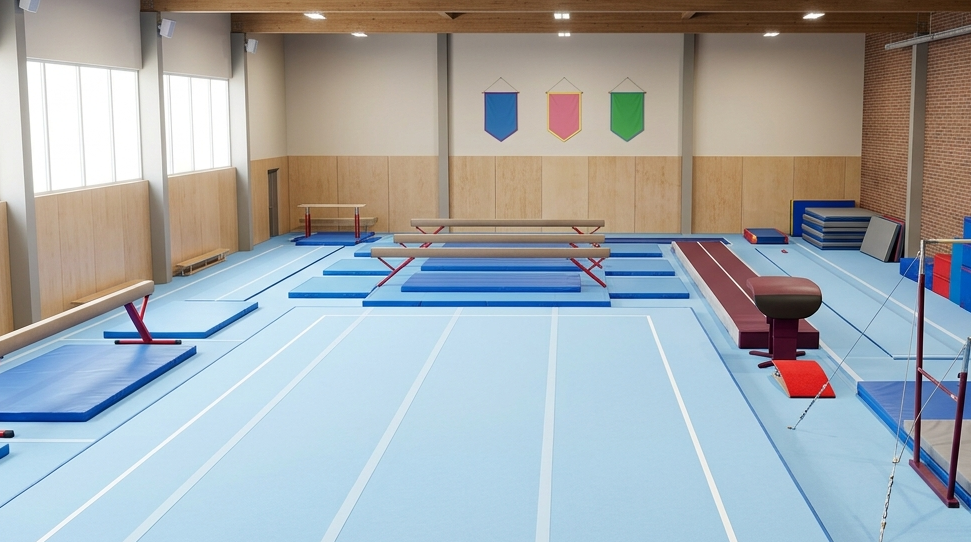
Recreational gymnastics is great for a kid who wants strength, coordination, and confidence without giving up the whole week. Competitive gymnastics is a bigger ask. It can become a real commitment for the entire family, not just the athlete. Training alone might hit 3 to 5 days a week once a kid makes a real team, and that’s before you factor in drive time to meets or gear. Competitive tuition alone can reach $250 to $600+ a month, and once you add registration, meet fees, uniforms, and travel, the total for a season can climb into the several-thousand-dollar range, sometimes past $10,000 for higher-level programs.
Parent discussions on Reddit and other gymnastics forums tend to echo this. Competitive families often mention monthly tuition somewhere in the several-hundred-dollar range, and the number keeps climbing as training hours and competition schedules increase. Recreational pricing rarely surprises anyone. It’s that jump into competitive training where the real sticker shock happens.
Just for context, since gymnastics doesn’t exist in a vacuum on a family budget, swimming lessons usually run $60 to $120 a month, dance lands around $70 to $150, and martial arts often costs $90 to $170. Recreational gymnastics actually sits right in the middle of that range, not the outlier a lot of parents assume it’ll be.
What Extra Fees Should You Expect?
Monthly tuition only tells maybe seventy percent of the real story here.
| Fee | Typical Amount |
|---|---|
| Registration | $35 to $50, usually once a year |
| Recreational leotard | $30 to $60 |
| Competitive uniform and warmups | $150 to $400+ |
| Meet entry fee, per competition | $60 to $150 |
| Private coaching add-on | $20 to $50/hour |
| Summer or day camp | $100 to $200/week |
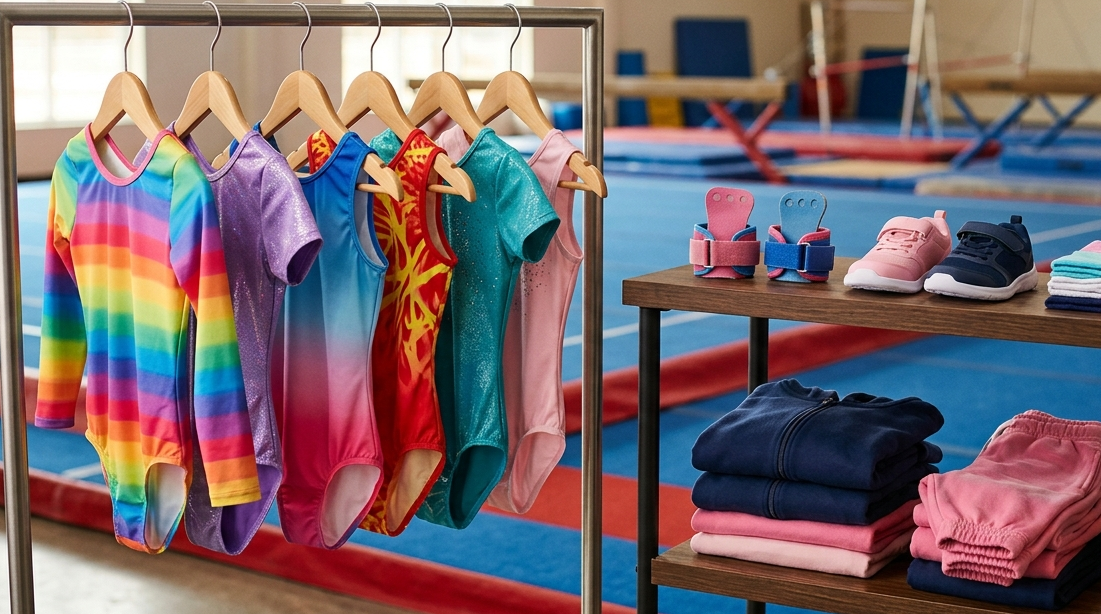
The registration fee tends to catch people off guard the most, usually $35 to $50, billed once a year. A basic recreational leotard runs about $30, while mandatory competitive gear can climb past $150. Competitive families also need to budget for meet entry fees and travel if the meets aren’t local. Some gyms even charge separately for picture day or an end-of-season showcase. None of it is huge on its own, but it does add up in ways that aren’t obvious from a tuition page.
What About Summer Camps and Drop-In Options?
This is a part most cost guides skip entirely. Full-day or half-day summer camps typically run $100 to $200 a week, priced by the length of the camp rather than by class. Drop-in or open-gym time, basically unstructured trampoline and mat play, usually with a parent supervising younger kids, runs $10 to $20 a visit. Some gyms even sell discounted punch cards for families who drop in often.
Billing Policies and Trial Classes
How often do prices go up? Many gyms review or bump tuition periodically, often around the start of a new season in late summer or fall, and usually by a modest amount, maybe a few dollars up to $10 to $15 a month. Worth asking about directly rather than assuming, since some parents online mention a gym raising fees twice in one year without much warning.
Can you cancel anytime? It really depends on the gym. Some run month-to-month with 30 days’ notice to cancel. Others lock you into a semester or a full season, especially for competitive programs, with limited room to pause mid-term. Ask about this before you sign anything, not after.
Trial class or full membership first? Plenty of gyms offer a free or low-cost trial class before you commit to a full month. It’s worth taking, even if the online schedule looks full. One trial won’t tell you everything, but it will tell you whether your kid actually likes the coach and the pace of the class, which honestly matters more than the price tag in the long run.
Questions to Ask Before Choosing a Gym
- What coaching certifications do your coaches hold, and are required background checks and SafeSport requirements up to date
- Is there a make-up class policy if you miss a week
- Can memberships be paused during a busy month
- Is the registration fee refundable
- How many children are typically in each class
- Are competitive uniforms mandatory or optional
- Are sibling or multi-class discounts available
Most gyms will answer these on the spot without much hesitation. If a facility gets vague on any of them, especially the class-size question, that’s worth paying attention to.
How to Save Money on Gymnastics Classes
Take the free or discounted trial class if it’s offered, it’s worth doing before committing to a full month. Sibling discounts are pretty common and can knock 10 to 20 percent off tuition for a second or third kid. YMCA and community-center programs generally beat private academies on recreational pricing. And block-session billing, paying for a 9- or 12-week term instead of month-to-month, like Olympia Gymnastics’ $210 nine-week sessions, sometimes ends up cheaper per class than the monthly route.
For families where cost is a real barrier, some competitive programs and local gymnastics organizations offer need-based scholarships, even when they’re not advertised anywhere on the website. It never hurts to just ask.
Is Gymnastics Worth the Cost?
For most families, yes, at least at the recreational level. Gymnastics builds strength, flexibility, coordination, and body awareness in a way few other kids’ activities really match. There’s also something about finally landing a skill on the beam that tends to spill over into confidence elsewhere in a kid’s life. The real question isn’t whether it’s worth it. It’s whether your budget and your weekly schedule can absorb it, especially once a competitive track starts looking tempting.
Sources and Pricing Methodology
The pricing in this guide comes from published tuition pages across gyms like Silver Stars Gymnastics, Pinnacle Gymnastics, Houston Elite Gymnastics, Olympia Gymnastics & Cheer, and Austin Gymnastics Club, along with several YMCA branch program pages. I checked those figures against parent-reported costs in gymnastics community forums, which show similar ranges with a bit more scatter once you get into competitive pricing. Advertised monthly rates don’t always tell the whole story either. Some gyms fold registration into the headline price, while others only mention it during enrollment, so treat every range here as a starting point and confirm directly with your local gym.
For official coaching-certification and program standards, USA Gymnastics publishes SafeSport and Junior Olympic Program requirements. For recreational, membership-based pricing, your best bet is calling your local YMCA branch directly, since rates are set locally rather than nationally.
If your child starts moving past the beginner stage, our guide to gymnastics skill levels covers what coaches typically look for next. And if cost is the main thing holding you back, our gymnastics scholarships guide walks through how those programs usually work.
Frequently Asked Questions
How much are gymnastics classes?
Recreational classes typically cost $75 to $150 a month for one weekly session, roughly $17 to $30 per individual class, depending on location, age, and program.
How much does gymnastics cost per class?
Single drop-in or per-class pricing generally runs $17 to $30 for recreational classes, and up to $70 for specialized or private sessions.
What does a beginner gymnastics class cost?
Usually about the same as standard recreational tuition, roughly $75 to $150 a month, since beginner classes are typically priced the same across age groups.
What does toddler gymnastics usually cost?
Around $85 to $130 a month for short, adult-participation Parent & Me sessions of 30 to 40 minutes.
How much are gymnastics classes at YMCA?
Often $50 to $90 a month for members, generally less than a dedicated academy, though it varies by branch.
How much are private gymnastics lessons? $20 to $50 an hour depending on the coach’s experience and the region.
How much is tumbling class?
Standalone tumbling or Trampoline and Tumbling (T&T) classes generally run $60 to $140 a month, a bit less than full artistic-gymnastics programs since they focus on one skill area.
Can adults take gymnastics classes?
Yes. Most gyms run adult classes focused on fitness and flexibility, typically $75 to $140 a month.
What age should kids start gymnastics?
Many programs accept babies as young as 6 to 9 months for Parent & Me classes, with independent preschool classes usually starting around age 3.
Is gymnastics an expensive sport?
Recreational gymnastics is generally affordable next to other structured youth sports. Costs rise sharply once a child moves into competitive training, where annual totals can reach $4,000 to $10,000+.
How much does gymnastics cost yearly?
Recreational programs generally total $900 to $1,600 a year. Competitive programs can run $4,000 to $10,000 or more once meets and travel are factored in.
How long is a typical gymnastics class?
30 to 45 minutes for younger children, 50 to 90 minutes for school-age and competitive students.
Is dance or gymnastics cheaper?
Pricing between the two is usually similar at the recreational level, though gymnastics can cost more at competitive tiers because of equipment and facility demands.
How many classes per week should a beginner take?
One class a week is standard for beginners. Coaches usually recommend a second class only once a kid shows real interest or starts progressing toward higher skill levels.
How often do gym prices increase?
Usually periodically around a new season, and typically by a modest amount rather than a dramatic jump.
Can I cancel a gymnastics membership anytime?
It depends on the gym. Some allow month-to-month cancellation with notice; others require a full semester or season commitment, especially for competitive teams.
Final Thoughts
If you’re still wondering how much are gymnastics classes likely to cost for your family, here’s the reassuring part: recreational programs are usually more affordable than most parents expect going in. Start with a trial lesson, compare two or three nearby gyms, and ask for a full fee breakdown before enrolling. That little bit of homework upfront can save you from unexpected costs down the road, especially if your kid ends up loving it and wants to add tumbling, a camp week, or a second class.