Ever wonder why your kid begs for a toy featuring Tony the Tiger or their favorite superhero? Studies in developmental psychology show familiar characters deeply impact children’s toy choices.
This post will break down how characters on product packaging, media advertisements, and even peer groups steer young minds during those formative years of learning through play. Stick around if you want to crack the code behind your child’s next must-have!
The Role of Popular Characters in Shaping Preferences
Familiar faces from cartoons and movies can turn plain toys into treasures in a child’s eyes. Everyday experiences, like watching their favorite character on TV, often spark a fire for collecting, playing, and even learning new things with those playthings.
Influence of media and entertainment
TV shows, cartoons, and streaming platforms shape how children see toys. Kids spot their favorite characters on toy shelves and online ads every day. Social media influencers often feature these familiar figures in unboxing videos or during imaginative play sessions, making them even more desirable to young viewers.
The toy industry teams up with major brands like Disney and Nickelodeon to place popular characters front and center on product packaging and commercials.
Children quickly link positive experiences from movies or games to real-life products at the store, which fuels their eagerness for character-branded items. Even short clips on YouTube can spark a wave of interest in new collectibles overnight; just look at the rise of Funko Pop! figures across generations.
These strong influences set the stage for emotional connections that go deeper than simple preference.
Emotional connections with characters
Media and entertainment create strong ties between children and characters. Kids often feel they know their favorite heroes or cartoon figures. These bonds can shape toy choices, as kids want to play with items linked to those beloved characters.
Such emotional connections spark interest in toys branded with familiar faces. Favorite characters become part of their playtime experiences.
Fictional friends offer comfort and a sense of belonging. Children may even talk to these characters, sharing secrets like they would with real pals. This type of connection makes purchasing decisions easier for them.
The more attached a child feels, the stronger the desire for character-branded toys becomes. “Toys are more than just objects; they’re gateways to imagination.”.
Parasocial Relationships and Their Impact
Kids can form strong bonds with their favorite characters. These fictional friends make children feel understood and safe. This trust shapes what toys they want to buy, driving them toward familiar faces and settings in stores.
When kids connect deeply with a character, they often choose toys that remind them of those special moments.
Bonding with fictional characters
Many children develop a preference for specific construction toys that feature these beloved characters, making playtime even more engaging.
Children often develop strong feelings for their favorite characters. This connection can stem from watching shows or reading books. Characters become friends in a child’s mind. They share adventures, face challenges, and solve problems together.
These bonds create trust and familiarity. Kids feel safe with these familiar characters during imaginative play. This makes them more likely to want toys based on those characters.
It’s not just about fun; it’s also about how children see themselves and the values they learn through their interactions with these fictional friends, influencing consumer behavior as they grow up.
Trust and familiarity influencing choices
Bonding with fictional characters creates strong feelings in kids. These emotions lead to trust and familiarity. Kids often choose toys linked to their favorite characters. They feel safe with these familiar faces, which helps them make decisions.
Pop culture shapes choices too. Children see trusted characters on TV or in movies, and they want the toys that go along with them. This connection can affect toy selection heavily; for instance, a character from a popular show might drive demand for specific products.
Familiarity builds loyalty, making children more likely to ask parents for those brand-name toys during shopping trips.
Marketing Strategies Leveraging Popular Characters
Marketers love to use popular characters in their ads. Kids see these familiar faces and feel a spark! When they watch their favorite shows, those colorful toys pop up everywhere. Toy companies know that kids will want what they see on screen.
This makes toy selection easier for children and parents alike. It’s all about creating that bond!
Licensed characters in advertisements
Licensed characters pop up everywhere. Kids see them on TV shows, movies, and toys. These familiar characters grab attention quickly. They spark excitement and curiosity in young minds.
Advertisers use these beloved figures to sell products. A character kids love makes them want the toy more than ever. Brands often place these characters right on product packaging or ads.
This strategy helps connect emotional bonds with children’s preferences. As a result, retailers notice a rise in sales of character-branded toys. Children think that toys tied to their favorite heroes are special and valuable!
Product placement in children’s programming
Product placement in children’s shows is a common practice. Brands pay to have their toys or products featured during episodes. This makes kids more likely to want those items. They see familiar characters using the toys, which creates a strong connection between the product and the show.
Programs often include fun scenes where characters play with certain toys. This can make children think these toys are special or must-have items. Popular characters can strongly influence what kids want to buy, guiding their choices based on emotions and familiarity rather than just need.
Toy companies know this well, so they design products that align with popular shows, shaping children’s toy preferences even further.
Effects on Toy Selection and Purchase Decisions
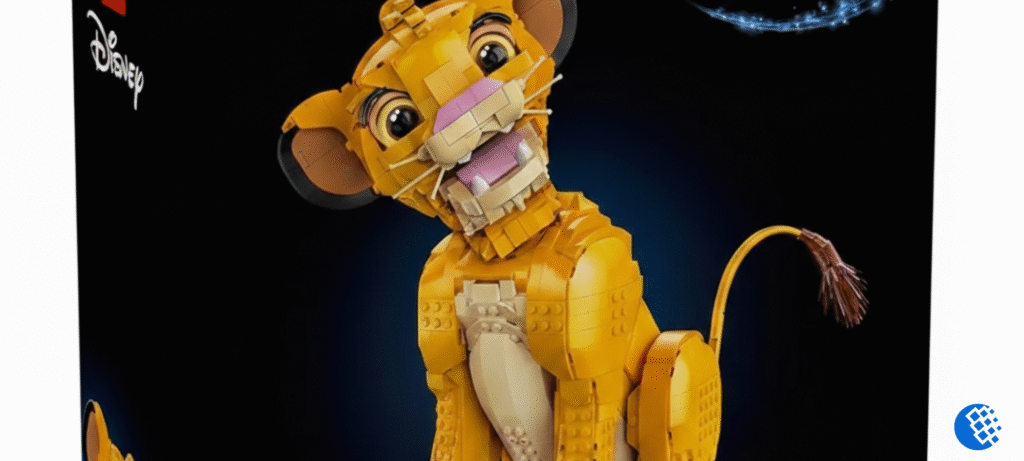
Many children are drawn to specific sets, like the Simba LEGO, because they want to recreate their favorite scenes from the movie.
Kids often want toys that feature their favorite characters. This craving drives parents to buy more character-branded items, as these toys seem special and magical.
Increased demand for character-branded toys
Character-branded toys are flying off the shelves! Children want toys that link to their favorite characters. These toys bring familiar faces from shows, movies, and games right into kids’ playtime.
Brands know this, so they tap into popular characters to grab attention.
The demand for these toys is huge. Kids often feel an emotional bond with these characters. This connection can shape what they want and choose to play with. Parents also see value in character-branded items since they tie back to media their children love.
Ensuring children enjoy imaginative play through these beloved figures makes sense for both fun and learning in child development.
Monetary value perception tied to favorite characters
Children often see their favorite characters as special. This connection can change how they view prices. A toy with a beloved character may feel more valuable to them than a similar toy without one.
It’s not just about fun; it’s also about feelings.
Parents notice this, too. They might spend more on character-branded toys because kids want them so much. The emotional bond that children have with characters creates higher demand for these items.
This is especially true during holiday seasons or birthdays, when spending increases as parents try to make their kids happy through those connections.
Conclusion
Popular characters have a strong say in what toys kids want. When children see familiar faces, it sparks their interest and excitement. Media plays a big role here; shows and movies create deep bonds with these characters.
As kids form connections, they trust products linked to them more. This bond drives parents to buy character-themed toys, knowing those items spark joy for their little ones. In the end, it’s all about making playtime fun while building memories that last!