
The speed of business today doesn’t care about your office hours. For a long time, procurement was that one department stuck in a loop of paper trails and “I’ll get to it when I’m back at my desk” emails. That lag is a silent killer for growth. Mobile procurement technology has finally stepped in to kill the bottleneck. By moving those heavy purchasing and invoicing workflows onto smartphones, companies are finally closing the gap between needing something and actually getting it. It’s not just about having a mobile app; it’s about making the supply chain work as fast as we do.
What’s Inside
- The Mobile Procurement Landscape
- How the Workflow Actually Moves
- Speed, Visibility, and Staying Compliant
- The AI Layer: Smarter Buying
- Top Tools for the Job
- Solving the “Will it Work?” Integration Puzzle
- What’s Next for Mobile Purchasing
The Mobile Procurement Landscape
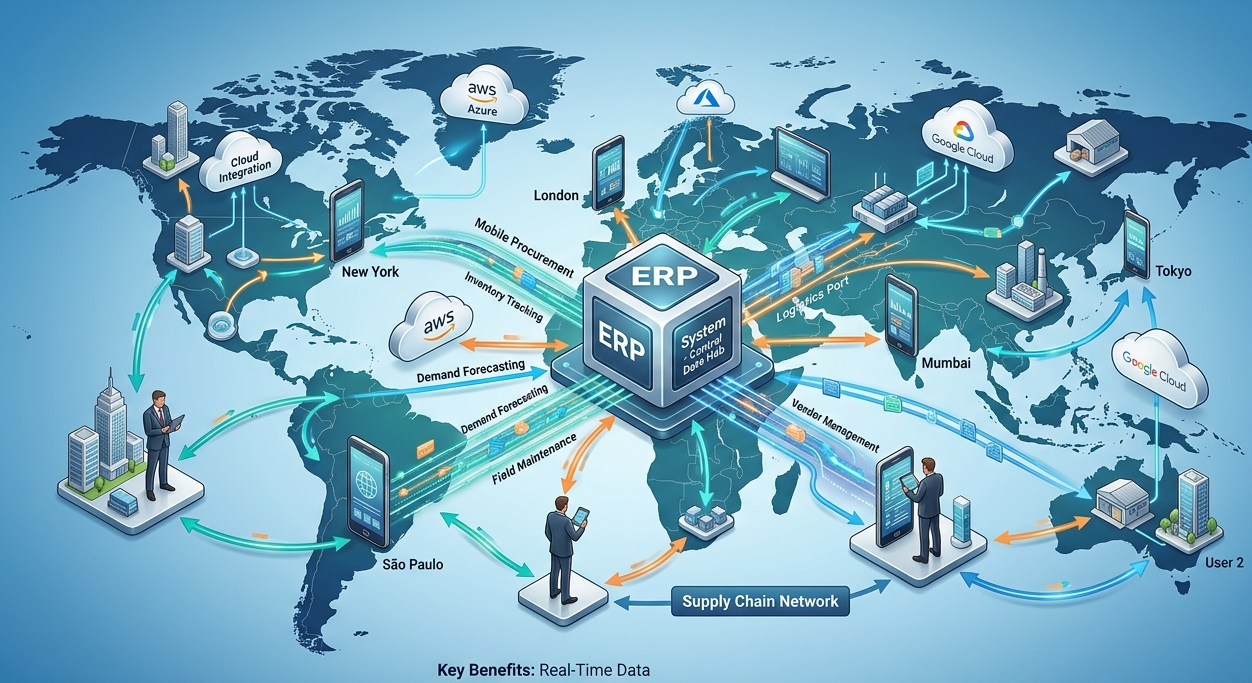
Mobile procurement technology is basically giving your team the power to handle the entire purchase-to-pay cycle from their pocket. It’s a huge jump from old e-procurement systems that felt clunky and tethered. Now, we see a lot of Outsourcing SaaS Development focus on building apps that aren’t just mobile-friendly, but mobile-native. This means they talk directly to your ERP in real-time. Whether you are on a construction site or stuck in an airport, the data stays consistent across the board.
The Evolution of the Purchasing Ecosystem
In the past, procurement was often viewed as a back-office function, isolated from the front lines of the business. It relied on manual processes, where a request for materials or services started as a physical form or a static spreadsheet. These methods were prone to human error, from mistyped part numbers to lost paperwork. As businesses grew more complex and globalized, these manual systems became a major liability, leading to significant delays and “dark spend” that wasn’t tracked until it was too late.
The introduction of web-based e-procurement was the first step toward modernization, but even those systems often felt like a chore. They required employees to be logged into a desktop computer, navigating through multiple screens and complex menus. Mobile procurement technology changes the game by prioritizing the user experience. It recognizes that the person making a purchasing decision might be a foreman on a job site, a sales rep on the road, or an executive waiting for a flight.
How This Actually Works on the Ground
The shift to mobile changes everything about the daily grind. Usually, a request might sit in an inbox for a couple of days. With a mobile-first setup, that same request sends a push notification straight to a manager’s phone. They can check the budget, see if it follows company rules, and hit approve in seconds. This “always-on” vibe is a lifesaver for teams spread across different cities or time zones.
It goes both ways, too. Suppliers can jump into their own portals to confirm orders or send invoices the moment they ship something. Using Common Account Audit Software as part of the mix means these mobile moves are tracked and reconciled automatically. No more manual data entry errors or wondering where that one missing invoice went.
The integration of these systems means that data flow is no longer one-way. When a manager approves a purchase on their smartphone, the ERP is updated immediately, the supplier is notified instantly, and the accounting department sees a committed cost on the books. This creates a seamless loop that traditional systems simply cannot replicate.
The Real Perks: Speed and Clear Eyes
The biggest win here is “Spend Visibility”. In the old days, you’d look at a report at the end of the month and realize you went over budget. Mobile tech gives you live data. You can see exactly what’s being spent right now. According to some Gartner research, this kind of digital shift is basically mandatory if you want a resilient supply chain these days.
Furthermore, mobile procurement enhances collaboration across the entire organization. When everyone is looking at the same real-time data, there is less room for misunderstanding or conflict. Teams can communicate about specific orders or invoices directly within the app, keeping all context in one place. This centralized communication record is also a huge asset during audits, as every decision and approval is timestamped and logged.
Plus, it makes compliance easy. The app can be set up so people can only buy from approved vendors at pre-set prices—no more “rogue” spending. This automated gatekeeping ensures that negotiated contracts are actually utilized, saving the company money without requiring constant manual oversight.
AI: The Brain in Your Pocket
“Technology” in this space is really starting to mean “Artificial Intelligence”. We’re seeing apps that use Generative AI to scan a photo of a messy receipt and automatically categorize it. It’s not just about saving time; it’s about making smarter choices. If a supplier is always late, the AI will flag it and suggest a better one while you’re creating the order. It’s like having a senior procurement expert sitting inside the app.
AI also plays a critical role in fraud detection. By analyzing patterns of spending across thousands of transactions, AI can flag unusual activity—such as duplicate invoices or purchases that fall outside of normal parameters—before the payment is even made. This proactive approach to security is far more effective than the “catch-it-later” audits of the past.
The Big Players in the Market
Depending on how big your company is, you’ve got a few solid options:
- SAP Ariba: Great for massive global companies that are already deep into the SAP ecosystem.
- Coupa: People love this one because it feels like a regular shopping app, which means your employees will actually use it.
- GEP SMART: This one is built from the ground up for mobile and is packed with AI features.
- Ivalua & Basware: These are often called “best of breed” because they focus on deep, specialized procurement functions.
If you’re a smaller business, tools like Precoro or ProcureDesk are much faster to set up and get the job done without the enterprise price tag. You can find a lot of deep dives on these in Procurement Magazine.
Dealing with the “Headaches”
It’s not all sunshine, though. Security is the big one. Dealing with bank info and contracts on a phone needs serious encryption and multi-factor authentication. You also need to make sure the app is actually easy to use. If it’s a pain, people will go back to using paper or random spreadsheets, and then you’ve got “shadow procurement” all over again.
Another challenge is data silos. If the mobile procurement tool doesn’t sync perfectly with your core accounting or ERP software, you end up with fragmented data that creates more work instead of less. Successful implementation requires a clear technical roadmap that ensures all systems are “talking” to each other effectively.
What’s Coming Next?
In the next year or so, we’re going to see even more integration with things like Augmented Reality (AR). Imagine being in a warehouse and having your phone or AR glasses scan a pallet to instantly trigger a payment via blockchain. The shift toward “Mobile-First” is becoming a “Mobile-Only” reality for many functions.
Mobile was just the start. With hybrid work being the new normal, these tools are the only way to keep the lights on and the supply chain moving. As 5G and edge computing become more prevalent, the speed and reliability of these mobile tools will only increase, making desktop-bound procurement look like a relic of the past.
Quick FAQs
Is this only for huge companies?
Nope. Many SaaS options are now tailored specifically for SMBs so they can have the same controls as the big guys.
Does it sync with my accounting?
Yes, most of these apps are built to talk to things like QuickBooks or Xero through APIs.
Is it actually secure?
If you use enterprise-grade platforms, they use the same level of encryption as your banking app.
How does it help with remote teams?
It ensures that work doesn’t stop just because someone isn’t in the office. Approvals and requests can happen from anywhere with a cell signal.