
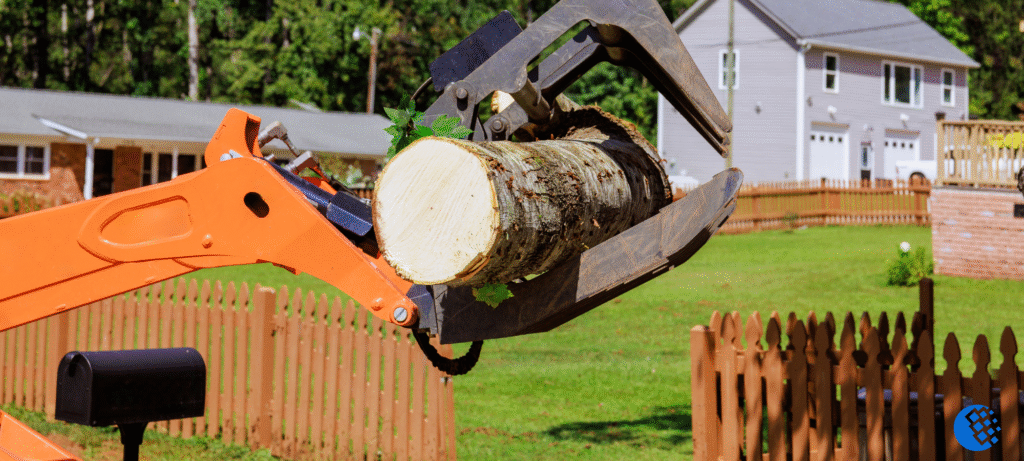
A mature oak takedown on a small campus runs $1,200 to $4,500, and I have seen three bids on one tree at $1,400, $2,900 and $5,200. Schools calling a crew that does tree removal warren mi work expect one clean number, and the spread stalls the decision another semester. The gap is almost never about greed. It comes down to what each bidder included, what they carry for insurance, and whether anybody looked up first. Paying the full price once to a licensed, insured crew costs less than paying twice, and paying twice is what happens when a low bid leaves half the job on the ground.
Why the Cheapest Quote Costs the Most
Start with the part nobody puts on a bid sheet. If a big limb is dropping over a play area, rope it off and keep children and staff out from under the canopy. Get a professional risk assessment before anyone works or plays beneath that tree. The International Society of Arboriculture advises that judging how serious a tree’s defects really are is a job for a professional arborist, not the groundskeeper with the longest ladder. That assessment is also the paperwork that makes a purchase order defensible.
OSHA’s tree care guidance calls for a marked drop zone that only qualified workers enter, which is why a real crew brings cones, barrier tape and a groundman. The bid landing 40 percent under the others most often skips that groundman, the traffic control and the disposal fees. The cheapest removal quote is usually the one missing the stump, the hauling and the insurance certificate. You find that out after the crew drives away.
The Line Items Behind a Removal Price
A removal price is four or five separate costs added into one number. Crew time is the biggest piece, and a 60-foot oak over a playground is a two-day job for three people. Equipment comes next, meaning an aerial lift when the tree cannot be dropped whole, plus a chipper and a truck. Then disposal, charged by the load, which climbs fast once the wood is too big to chip. Insurance and workers compensation sit inside the hourly rate, and that is why a licensed crew cannot match an uninsured one on price. Ten years ago this campus work was climbed and roped by two people, and the invoice was mostly labor. Today the same tree gets bid with a lift, a second truck and a written traffic plan, so the number is higher and the school’s exposure is lower.
Coverage limits are worth reading before the storm, not after. On a standard property policy, NerdWallet puts other structures coverage at about 10 percent of the dwelling limit, so a $350,000 dwelling line leaves roughly $35,000 for everything outside the walls. School policies are written differently and limits vary by carrier and state, so ask your broker what the grounds and play equipment carry.
A Worked Example on One Large Oak
A worked example makes the tradeoff concrete. Take one 60-foot oak with a 38-inch trunk, twelve feet from a play structure, on a campus with a $12,000 annual grounds budget. These figures illustrate jobs of that size and are not a quote, since access and wood volume move the price most.
The takedown itself, bid with a lift because the drop zone is tight, prices at $2,400. Add $650 for the lift day rate, then four loads of debris hauled at $95 a load for another $380. Stump grinding at $4 per trunk inch on a 38-inch stump adds $152, and the lane closure permit runs $75. That comes to $3,657 before replanting, which is under a third of the year’s grounds budget and about what two more seasons of crown reduction would cost.
Where Budgets Forget Stump and Cleanup
Stump grinding and cleanup are where budgets quietly break. Grinding is priced by trunk diameter, hauling by the load, and both are easy to leave off a verbal quote. NerdWallet reported in June 2026 that homeowners policies typically cap debris and tree removal reimbursement near $500 to $1,000, so most of the cleanup lands on the owner. That oak over the playground was on borrowed time long before any insurer got involved.
What I cannot tell you is how often campus trees actually fail. Nobody I have found tracks school-grounds tree failures as their own category, and district numbers fold them into general property claims. So the risk is plain and the frequency is unmeasured, which is an uncomfortable basis for a spending decision.
Spending Once to Retire the Liability
End-of-year money is the right money for this job. A school that hires a licensed, insured tree removal warren mi crew and pays the full itemized number once has retired the hazard. The alternative is a $600 trim every other spring, a limb through the fence eventually, and the same removal price at an emergency rate. Get the assessment, get the line items in writing, and spend it once.