
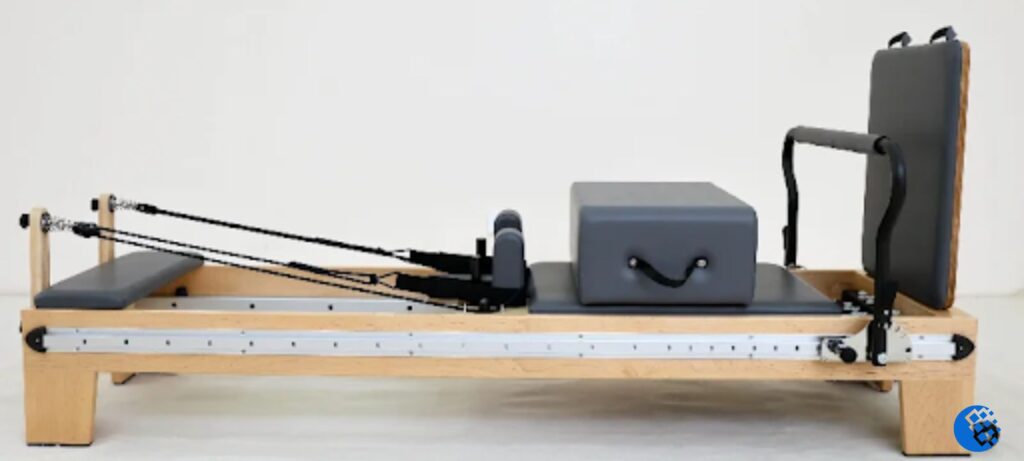
As Pilates continues to grow as a popular low-impact fitness method, more people are bringing professional-quality equipment into their homes. Among different types of Pilates machines, the wooden Pilates reformer has become a preferred choice for home users who want a balance between performance, comfort, and aesthetic design.
Unlike traditional metal reformers commonly found in commercial studios, wooden reformers combine functional Pilates training with a natural appearance that fits modern home interiors. They are often chosen by beginners creating a private workout space, experienced Pilates practitioners looking for studio-level equipment at home, and homeowners who value both fitness and design.
A home Pilates setup is no longer limited to dedicated fitness rooms. Many users now place reformers in bedrooms, living rooms, home offices, or small wellness spaces. This makes factors such as appearance, noise level, durability, and space efficiency increasingly important when selecting equipment.
But is a wooden Pilates reformer the right choice for your home studio? Understanding its construction, benefits, required space, and key features can help you make a more informed decision.
Why Are More People Choosing a Wooden Pilates Reformer for Home Workouts?
The popularity of the wooden Pilates reformer comes from the changing way people approach home fitness. Instead of purchasing temporary workout equipment, many users are investing in durable machines that support long-term training.
One important reason is the growing interest in Pilates as a sustainable fitness routine. According to research published in the American College of Sports Medicine (ACSM), Pilates-based exercise can contribute to improvements in flexibility, muscular endurance, balance, and overall physical function when practiced consistently.
For home users, a wooden reformer provides a more complete Pilates experience compared with simple mats or basic exercise tools. It allows users to perform a wider range of movements, including:
Footwork exercises for lower-body strength
Core stabilization movements
Stretching and mobility training
Balance and posture-focused exercises
Full-body resistance workouts
Another reason is the visual appeal. Many homeowners do not want large commercial-looking fitness equipment dominating their living space. A wooden frame, especially with finishes such as maple or walnut, can naturally blend with modern home decoration styles.
For example, a user creating a home wellness corner may prefer a wooden reformer placed near natural lighting, plants, and minimal furniture rather than a bulky industrial-style machine. This combination allows fitness equipment to become part of the home environment instead of something that needs to be hidden away.
For users looking for professionally designed wooden models, CoreFlow provides a range of wooden pilates reformer options designed for both home users and Pilates professionals.
What Are the Advantages of Having a Wooden Pilates Reformer at Home?
A wooden Pilates reformer offers several advantages that make it attractive for home-based Pilates training.
| Feature | Benefit for Home Users |
| Wooden frame construction | Provides a natural appearance that matches home interiors |
| Smooth carriage movement | Creates a comfortable Pilates training experience |
| Stable structure | Supports different exercises and user levels |
| Professional design | Brings a studio-style workout experience into the home |
How Does a Wooden Pilates Reformer Improve Home Workout Experience?
One of the biggest advantages of a wooden reformer is the overall training experience.
A quality Pilates reformer is designed around smooth movement. The carriage should glide naturally along the rails, while springs provide adjustable resistance for different exercises. This allows users to control movement intensity instead of relying only on body weight.
For beginners, this controlled resistance can make Pilates movements easier to understand. For experienced users, adjustable resistance allows progression over time.
For example, someone starting Pilates at home may initially focus on basic footwork and stretching movements. After building confidence, the same reformer can support more advanced exercises targeting strength, coordination, and mobility.
Compared with practicing only mat Pilates, a reformer provides additional support and resistance options. This is one reason many home users consider investing in a reformer after developing a regular Pilates habit.
Why Is a Wooden Reformer Better for Home Interior Design?
Home fitness equipment is increasingly becoming part of interior design.
Traditional commercial Pilates equipment often uses exposed metal frames, which are practical but may not match every home style. Wooden reformers offer a warmer appearance and can complement spaces featuring:
Scandinavian-style interiors
Modern minimalist homes
Natural wood furniture
Wellness-focused spaces
For homeowners who use multifunctional rooms, appearance matters. A reformer placed in a living room or guest room needs to look comfortable within the environment.
This design advantage is especially valuable for people who prefer a home wellness lifestyle rather than a separate gym area.
How to Choose the Best Wooden Pilates Reformer for Home Use?
Choosing the right wooden Pilates reformer requires more than comparing appearance. Home users should consider available space, construction quality, training goals, and long-term usability.
What Size Wooden Pilates Reformer Fits a Home Space?
Before purchasing a reformer, measure the available workout area.
A typical full-size Pilates reformer is approximately 90–100 inches long and 25–30 inches wide, although dimensions vary depending on the model and manufacturer.
Users should consider not only the machine size but also the movement space around it.
A practical home setup usually requires:
| Area | Recommended Consideration |
| Reformer length | Enough room for full carriage movement |
| Side clearance | Space for arm and leg exercises |
| Ceiling height | Important for tower attachments |
| Storage area | Consider accessories and maintenance space |
For small apartments or multipurpose rooms, users may prefer compact models or foldable options. However, users with dedicated wellness rooms often choose full-size wooden reformers because they provide a more traditional studio experience.
What Features Should a Home Wooden Pilates Reformer Include?
When selecting a wooden Pilates reformer for home use, buyers should evaluate the technical features that influence comfort, safety, and training flexibility.
A well-designed home reformer typically includes:
1. High-quality Wooden Frame
The frame is one of the most important components of a wooden reformer. Different wood types, such as maple or walnut, provide different appearances and structural characteristics.
A quality frame should offer:
Good stability during movement
Resistance to daily use
Smooth finishing without sharp edges
A design suitable for long-term home placement
The purpose of the wooden frame is not only aesthetic. A properly engineered structure helps create a stable foundation for Pilates exercises.
2. Smooth Carriage System
The carriage movement directly affects the training experience.
A good reformer should allow the carriage to move smoothly without unnecessary friction or excessive noise. This is especially important for home users because many people exercise early in the morning or evening when household noise matters.
Features to consider include:
Reliable wheel systems
Precision-designed rails
Quiet operation
Comfortable carriage padding
3. Adjustable Resistance System
Pilates reformers use springs to create resistance. Different spring tensions allow users to adjust exercises according to their training level.
Beginners may prefer lighter resistance when learning movement patterns, while experienced users may choose stronger resistance for strength-focused exercises.
4. Comfortable and Adjustable Components
A home reformer should adapt to different body types and training styles.
Important components include:
Adjustable footbar positions
Comfortable shoulder rests
Secure straps
Proper padding thickness
·
These details influence long-term comfort, especially for users who practice Pilates several times per week.
Should Beginners Buy a Wooden Pilates Reformer?
Many beginners wonder whether investing in a wooden Pilates reformer is suitable for their first Pilates experience.
The answer depends on personal goals, available space, and commitment level.
For someone who plans to practice Pilates regularly, a reformer can provide more exercise possibilities compared with basic equipment. Beginners can start with foundational movements and gradually explore more advanced exercises as their skills improve.
However, beginners should also consider learning proper techniques. Pilates emphasizes controlled movement, posture alignment, and breathing coordination. Many new users benefit from:
Online beginner classes
Guidance from certified instructors
Studio sessions before independent training
According to research published in scientific databases such as PubMed, Pilates-based exercise has been studied for areas including posture, balance, flexibility, and physical function.
A wooden reformer is not necessarily only for advanced practitioners. With appropriate instruction and gradual progression, it can become a long-term fitness investment for many home users.
How to Set Up a Home Pilates Space With a Wooden Reformer?
Creating a comfortable Pilates environment can improve consistency and enjoyment.
A home Pilates space does not need to be a large dedicated gym. Many users create effective workout areas in multipurpose rooms by planning the layout carefully.
How Much Space Is Needed Around a Pilates Reformer?
A reformer requires enough surrounding space for safe movement.
Generally, users should consider:
Enough clearance beside the machine for arm movements
Additional space at both ends for carriage travel
A stable, flat floor surface
Good lighting and ventilation
For example, a spare bedroom measuring approximately 10 × 12 feet can often accommodate a reformer while still leaving room for stretching, storage, or accessories.
Users living in apartments may need to prioritize:
Compact furniture placement
Noise reduction
Protective flooring
Easy cleaning access
What Accessories Can Improve Home Pilates Training?
Although the reformer itself provides the main training platform, additional accessories can improve the home experience.
Common accessories include:
| Accessory | Purpose |
| Pilates mat | Warm-up and floor exercises |
| Resistance bands | Additional mobility and strength training |
| Pilates ball | Core activation exercises |
| Storage rack | Keeps accessories organized |
Some users also add mirrors to check alignment and improve body awareness during practice.
Wooden Pilates Reformer Safety Tips for Home Users
Safety is an important consideration when using any fitness equipment at home.
Before each workout, users should check:
Spring connections are properly attached
Straps are secure
The reformer is placed on a stable surface
Moving parts operate smoothly
Beginners should avoid performing advanced exercises before developing sufficient control and understanding of Pilates techniques.
Regular maintenance also helps extend equipment lifespan. Cleaning the carriage surface, checking hardware, and following manufacturer maintenance recommendations can support safe long-term use.
A professional-quality wooden reformer, such as models developed by CoreFlow, is designed with stability and durability considerations for both home users and professional environments.
Wooden Pilates Reformer vs Foldable Pilates Reformer: Which One Is Better for Home Use?
Both wooden and foldable Pilates reformers can be suitable for home users, but they serve different needs.
| Comparison | Wooden Pilates Reformer | Foldable Pilates Reformer |
| Main advantage | Premium appearance and studio-style experience | Space-saving flexibility |
| Best for | Dedicated home Pilates spaces | Apartments and small rooms |
| Storage | Usually remains assembled | Can be stored after use |
| Design style | Natural wood aesthetic | Practical and compact |
A wooden Pilates reformer is often preferred by users who want a permanent home wellness area and value design quality.
A foldable reformer may be more practical for people who need to store equipment after workouts or have limited living space.
The better choice depends on lifestyle. Someone with a dedicated workout room may prioritize stability and appearance, while someone in a small apartment may value portability.
Conclusion
A wooden Pilates reformer can be an excellent option for users who want to create a comfortable and visually appealing home Pilates studio.
Compared with basic workout equipment, a reformer provides a wider range of Pilates exercises and allows users to train strength, flexibility, balance, and movement control.
When choosing a wooden reformer, important factors include:
Available home space
Frame quality
Carriage smoothness
Adjustable resistance
Comfort features
Long-term training goals
For homeowners who value both fitness performance and interior design, a wooden reformer offers a unique combination of function and style.
CoreFlow focuses on designing Pilates equipment that combines professional training requirements with modern home fitness needs, helping users create a more complete Pilates experience at home.
FAQs
Can beginners use a wooden Pilates reformer at home?
Yes. Beginners can use a wooden Pilates reformer at home when they start with basic exercises and learn proper Pilates techniques. Many users begin with simple movements such as footwork, stretching, and core stabilization before progressing to more advanced exercises.
Learning from qualified instructors or structured beginner programs can help users build confidence and improve movement quality.
How often should you use a wooden Pilates reformer?
The ideal frequency depends on individual fitness goals and schedules.
Many Pilates practitioners include reformer workouts several times per week as part of their fitness routine. Consistency is generally more important than occasional intense sessions.
A regular practice schedule can help users gradually improve movement control, flexibility, and overall body awareness.
Can a wooden Pilates reformer fit in a small home gym?
Yes, but users should carefully measure their available space before purchasing.
A compact home gym, spare bedroom, or multipurpose room may accommodate a wooden reformer if there is enough clearance for safe movement.
For smaller spaces, users may consider compact designs or foldable alternatives depending on their storage needs.