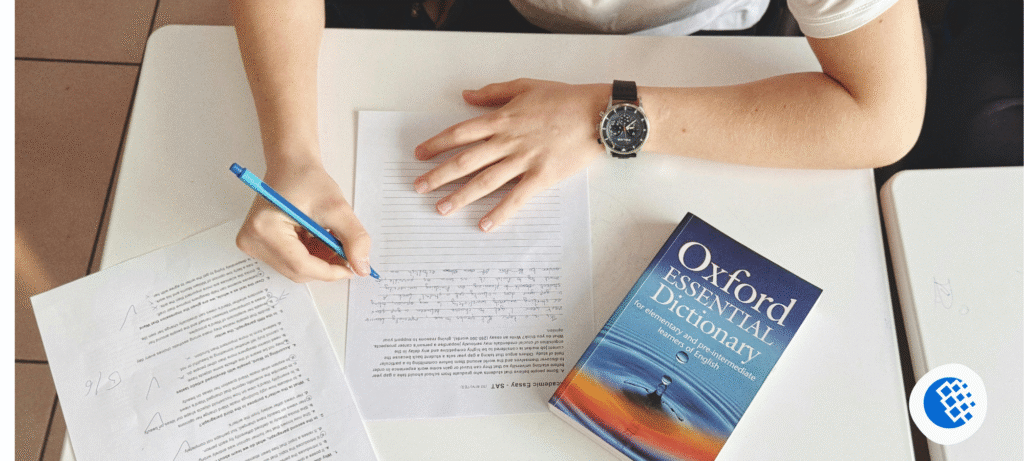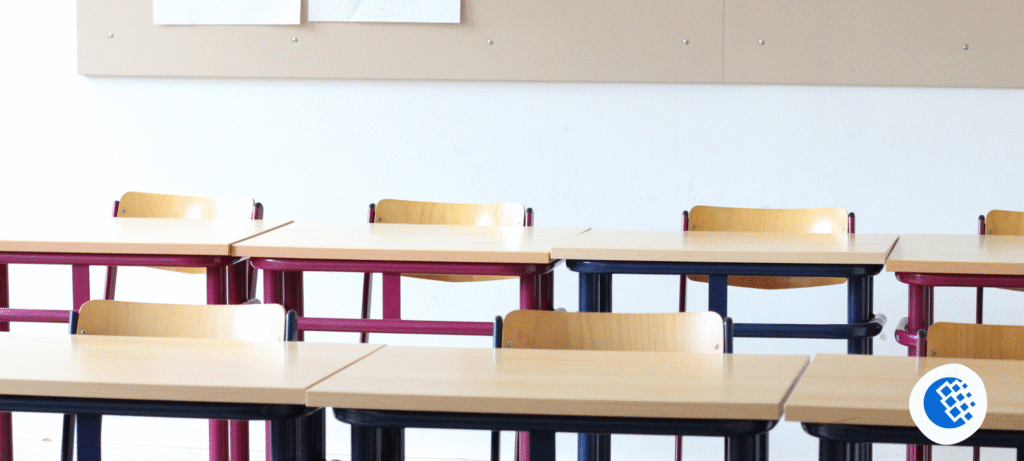

A quiet study space needs a good layout and the right tools. Students often deal with noise, crowded desks, and phone distractions during class. Small changes to the room help students stay focused and build good daily habits. Good room setups help teachers manage daily activities better.
Physical Design Choices For Focused Learning
Classroom layout dictates how easily students absorb daily instructions. A private study station like the Bretford CUBE Phocus Station gives students a clear place to focus. These quiet zones keep noise low. They also have built-in outlets for charging devices.
Teachers can change the room setup fast. They can switch from quiet reading to group talks in 2 minutes. Desks on wheels keep paths clear. That cuts down on visual distractions during the school day. Different seating choices let students pick where they study best.
Study pods block sound and keep personal items organized. Quiet corners in classrooms help students stay focused during long tests. A well-organized room helps students focus on daily work. Quiet spots give students a place to work without being interrupted.
Multifaceted Elements Of Modern Classrooms
Furniture is just one part of a learning space. Marshall B. Ketchum University says a learning space has four parts. Physical, social, psychological, and cultural. When schools focus on all four, students feel less stressed.
Creating spaces that address these different needs improves classroom engagement. Simple additions help create balance across these key areas:
- Quiet zones for silent reading
- Collaborative tables for team activities
- Clean digital charging centers for laptops
- Warm lighting choices reduce strain
Comfortable seating and good lighting make a good study space. Clear layouts help students know where to focus. Modern classrooms work best when equipment fits what students need. Good planning helps everyone move through the day smoothly.
Supporting Academic And Emotional Growth
Students gain confidence when classrooms support both mind and personal well-being. Guidelines from Dearborn Public Schools highlight the value of building lifelong skills. With a shared focus on academic growth and social-emotional learning. Teachers can implement routines that encourage self-reflection alongside standard academic subjects.
Mixing emotional support with strong school goals creates a good routine. Daily breaks help students stay calm during hard work. Working with classmates helps students build empathy during tough group projects.
Supporting feelings along with test prep helps students focus better in class. Students do better when school rules protect quiet time. Clear rules give students confidence during solo work. Steady support builds trust between teachers and students.
Governance And School Management Impact
School office support helps create good study areas. A report says strong school management leads to better student results and learning spaces. Leaders who invest in good facilities give teachers what they need to succeed each day.
Clear school rules keep classrooms safe and organized. Updating room layouts keeps facilities modern and useful. Strong leadership sets long-term standards that help every classroom in the district.
Good management pays for updates to classroom tech and furniture. District leaders keep high standards in all school buildings. When staff and administrators plan together, students do better. Good leaders make sure money goes to classroom improvements.
Quiet study zones need planning and the right space. Quiet areas plus supportive school rules help students make steady progress. Structured spaces help students focus better each day. Every student benefits when schools put money into supportive physical spaces.