
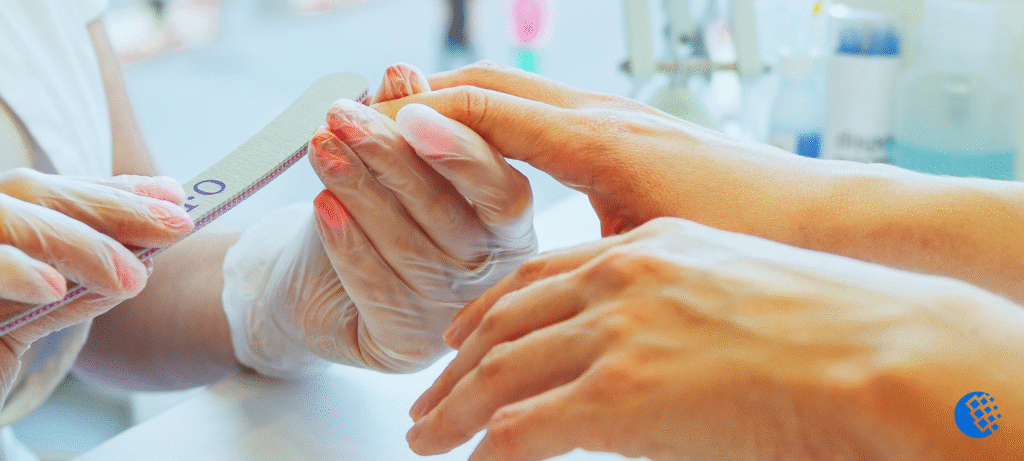
The professional nail industry has transformed from a simple grooming service into a multi billion dollar global powerhouse that combines artistic expression with advanced chemical science. For those looking to enter this vibrant field, the journey begins with a comprehensive education that bridges the gap between basic painting and professional structural engineering of the nail. A complete nail tech training course is designed to take a novice and mold them into a licensed professional capable of handling diverse client needs while maintaining the highest standards of safety and aesthetics.
Table of Contents
- Understanding the Biological Foundation of Nail Care
- Sanitation and Sterilisation Protocols for the Modern Salon
- The Science of Product Chemistry and Polymerisation
- Mastering Natural Nail Services and Manicure Techniques
- Advanced Artificial Enhancements and Sculpting Methods
- The Art of Electric Filing and Tool Proficiency
- Business Management and Client Retention Strategies
- Launching Your Professional Career Path
Understanding the Biological Foundation of Nail Care
The first step in any reputable training program involves diving deep into the anatomy and physiology of the hand and foot. Before a student ever picks up a brush, they must understand the canvas they are working on. This includes studying the nail plate, the nail bed, the eponychium, and the matrix where nail growth begins. Recognizing the difference between a healthy nail and one suffering from pathology is crucial for professional liability and client safety.
Students learn to identify common disorders such as onycholysis, where the nail plate separates from the bed, or fungal infections that require a referral to a medical professional rather than a cosmetic service. A thorough understanding of bone structure and blood circulation in the extremities ensures that the technician provides services that promote long term health rather than just short term beauty. This foundational knowledge is what separates a hobbyist from a professional trained by an institution like Training Beauty & Beyond, where biological education is prioritized.
Sanitation and Sterilization Protocols for the Modern Salon
In a post pandemic world, the importance of hygiene cannot be overstated. A complete training course devotes significant time to the three levels of decontamination: cleaning, disinfection, and sterilization. Students are taught the specific contact times required for hospital grade disinfectants to be effective against viruses, bacteria, and fungi.
1. Proper hand washing techniques for both the technician and the client.
2. The use of ultrasonic cleaners for removing debris from metal implements.
3. The correct mixing ratios for liquid disinfectants to ensure maximum potency.
4. The maintenance and logging of autoclave cycles if the salon utilizes heat sterilization.
5. Cross contamination prevention through the use of single use disposables.
Beyond just cleaning tools, this section covers the ergonomics of a safe workspace. Technicians learn how to set up their stations to minimize dust inhalation and chemical vapor exposure, protecting their own respiratory health over a long career.
The Science of Product Chemistry and Polymerization
Nail technology is essentially applied chemistry. A professional course explains the molecular behavior of cyanoacrylates, oligomers, and polymers. Understanding how UV and LED light waves interact with photoinitiators to cure gel products is vital for preventing service breakdown and skin sensitivities. When students understand the why behind the product, they can troubleshoot issues like lifting, cracking, or heat spikes.
Training Beauty & Beyond emphasizes that knowing the chemical makeup of different systems allows a technician to choose the right product for each unique client. For example, a client with thin, flexible nails requires a different enhancement system than a client with hard, brittle nails. This level of expertise ensures that the natural nail remains undamaged underneath the enhancement, which is the hallmark of a true professional.
Mastering Natural Nail Services and Manicure Techniques
While extensions often get the most attention, the natural manicure is the bread and butter of the salon industry. This section of the training focuses on precision cuticle work and the art of the perfect polish application. Students practice the dry manicure technique, which uses specific tools to clear the nail plate of non living tissue, allowing for a closer color application and longer wear.
Massage techniques for the hands and feet are also taught, focusing on pressure points and muscle relaxation. This adds a luxury element to the service that justifies higher price points. Students learn how to perform paraffin wax treatments and exfoliating scrubs, turning a basic utility service into a holistic spa experience. Mastering the basics of natural nail care provides the structural foundation needed before moving on to complex extensions.
Advanced Artificial Enhancements and Sculpting Methods
This is often the most challenging and rewarding part of a Beginner to Pro: What Is Included in a Complete Nail Tech Training Course? curriculum. Students transition from working on the natural nail to creating length and shape using forms and tips. The course covers multiple systems including liquid and powder acrylic, hard gel, and polygel hybrids.
1. Tip application and blending to create a seamless transition.
2. Sculpting with paper forms to customize the enhancement to the natural nail shape.
3. Achieving the correct apex placement for structural integrity and balance.
4. Creating the perfect C curve to ensure the nail can withstand daily impact.
5. Finishing techniques that result in a high gloss or velvet matte appearance.
The goal is to create nails that look thin and natural but possess the strength of an industrial material. This requires a deep understanding of ratios and timing, as the environment’s temperature and humidity can drastically affect how products behave during application.
The Art of Electric Filing and Tool Proficiency
The electric file, or e file, is a powerful tool that can significantly increase a technician’s speed and efficiency when used correctly. However, in untrained hands, it can cause permanent damage to the nail matrix. A professional course includes a dedicated module on e file safety, covering the different types of bits such as carbide, diamond, and ceramic.
Students learn which RPM settings are appropriate for different tasks, such as removing bulk, refining the surface, or gently cleaning the cuticle area. They are taught the proper angles to hold the handpiece to avoid creating heat friction or rings of fire on the natural nail. Proficiency with the e file is a major milestone in transitioning from a beginner to a pro, as it allows the technician to handle more clients per day without physical strain.
Business Management and Client Retention Strategies
Being a great artist is only half the battle; being a successful nail technician also requires business acumen. Many comprehensive courses, including those offered by Training Beauty & Beyond, include modules on salon management. This involves learning how to price services based on overhead costs, time, and local market rates.
1. Effective scheduling and time management to maximize earning potential.
2. Marketing through social media platforms like Instagram and TikTok.
3. Building a professional portfolio that showcases a unique style.
4. Handling difficult client situations and setting professional boundaries.
5. Product retailing and how to recommend home care to improve service longevity.
Client retention is the key to a stable income. Students are taught how to conduct a thorough consultation that builds trust and ensures the client returns every three to four weeks. Understanding the psychology of the client experience is what turns a one time visitor into a loyal patron.
Launching Your Professional Career Path
As the training nears its end, the focus shifts toward the transition into the workforce. This involves preparing for state board examinations or national certification tests. A complete course provides mock exams and practical assessments that mimic the high pressure environment of official licensing.
Students are also guided on how to choose the right work environment, whether it be a high end boutique salon, a fast paced walk in shop, or the path of the independent booth renter. Mentorship is a significant component of this phase. The instructors at Training Beauty & Beyond often provide ongoing support even after graduation, helping new technicians navigate their first few months in the industry. This final stage of training ensures that the student is not just technically proficient, but also professionally prepared to build a sustainable and lucrative career in the beauty world.
The evolution from a beginner to a professional nail technician is a process of continuous learning. Even after completing a comprehensive course, the best in the industry continue to attend workshops and trade shows to stay updated on the latest trends and technologies. By starting with a solid educational foundation, you set yourself up for a future filled with creativity, connection, and commercial success.