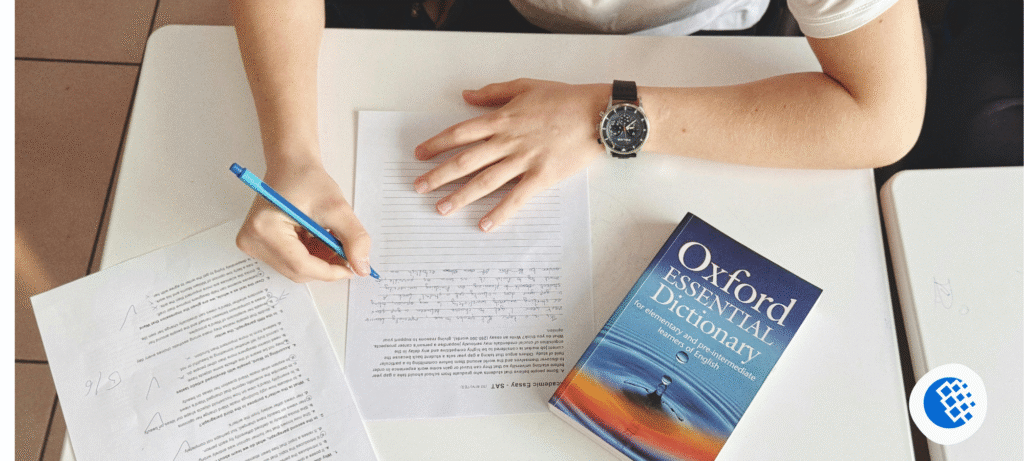

Education and knowledge aren’t the same thing, even though people mix them up constantly. Education is the structured side, schools, courses, a curriculum somebody else built for you. Knowledge is whatever you actually walk away with and can use, whether it came from a classroom or from just living life and paying attention. People carry wildly different amounts of each, and that’s the whole reason the two words deserve separate conversations instead of being treated like synonyms.
Most people, if you stopped them on the street and asked, would say education and knowledge are basically the same. It’s an understandable mix-up. Both words live in the same neighborhood, learning, growth, getting smarter about the world. The problem shows up the moment you watch it play out in real life. A university graduate can hold a framed degree and still go blank the first time a problem doesn’t match anything from the syllabus, while someone who barely finished school might handle the exact same problem without blinking, purely because they’ve lived through something similar before.
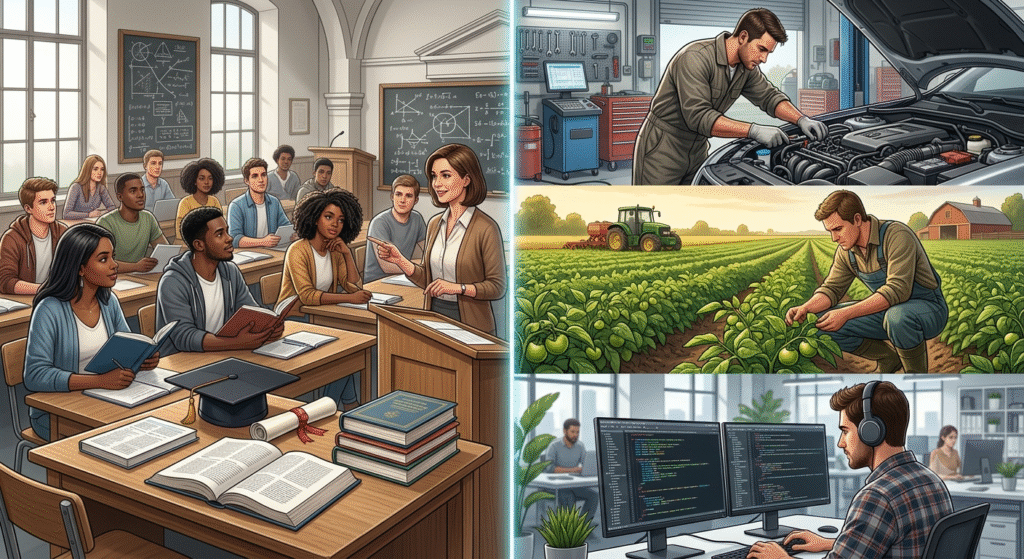
There’s a mechanic in pretty much every town like this: never went past high school, yet he can figure out what’s wrong with an engine faster than a lot of people holding fresh automotive certificates. That’s knowledge, earned the slow way, through years of getting his hands dirty and occasionally getting it wrong before getting it right. Compare that to the graduate who’s got the paperwork but panics during their first real week on a job site because nobody ever handed them a formula for the mess actually sitting in front of them. Education and knowledge clearly aren’t interchangeable once you look closely, and if you’re curious how structured teaching actually builds lasting skill rather than just information, our piece on 5 Dimensions of Teaching and Learning digs into that gap in more depth.
Let’s actually pull education and knowledge apart properly instead of lumping them together like most people do.
What Is Education, Really?
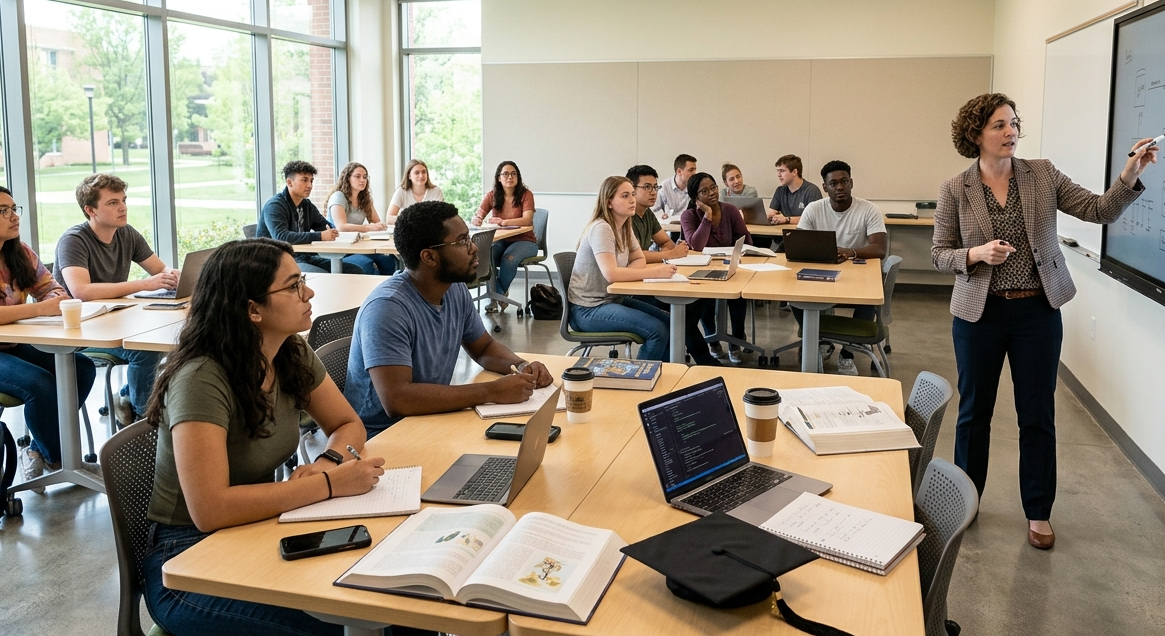
Education, at its core, is the structured way people learn, usually inside a school or college, moving through a curriculum somebody else designed long before you ever showed up. You sit through lessons, work through exams, and eventually you’re holding a certificate or degree that says you covered the material.
That said, a good education was never really about stuffing your head with trivia in the first place. A decent teacher spends more time trying to build how you think than what you know, teaching you to research properly and back up an argument with something more solid than a gut feeling. Higher education mostly runs on that same principle, layering structured knowledge on top of itself year after year until something actually clicks for the student. Skip that framework entirely and self-taught knowledge tends to end up scattered, plenty of useful pieces floating around without much holding them together.
What Is Knowledge, Then?

Knowledge is a messier animal than education, and honestly a lot more personal. Nobody’s handing out diplomas for it. Either you have it, built from actually doing something, or you don’t, and the only real test is getting thrown into a situation and seeing whether it holds up, not filling in bubbles on an exam sheet.
Farmers who never sat through a single agriculture class are a good example of this. Someone who’s worked the same land for thirty years just knows things about soil, timing, and weather patterns that no textbook could ever fully capture, because that knowledge came from watching seasons fail and succeed over and over, not from a lecture. It’s repetition and attention that build it, not instruction, and that’s really the line between raw information and understanding you can actually put to work.
Education and Knowledge: Key Differences
Education hands you a map. Knowledge is what happens when you actually walk the terrain and discover the parts where the map doesn’t quite match reality. On their own, neither gets you especially far. Together, though, they start to look a lot like what people usually mean when they call someone genuinely capable at what they do.
| Aspect | Education | Knowledge |
|---|---|---|
| Source | Schools, colleges, structured courses | Experience, practice, self-study |
| Format | Curriculum-based, formal | Informal, ongoing, personal |
| Proof | Degrees, diplomas, certificates | No formal proof, shown through action |
| Focus | Theory and structured facts | Practical application |
| Goal | Academic credentials | Solving real problems |
There’s also a timing difference worth noticing. Education wraps up, you finish the course and you’re done with it. Knowledge just keeps accumulating quietly in the background for as long as someone’s still paying attention to the world around them, long after any diploma gets framed and hung on a wall somewhere.
Can You Have Knowledge Without Education?
Definitely, and there’s no shortage of people proving it every day. A good chunk of today’s most successful entrepreneurs never finished college, and plenty of self-taught programmers have shipped software used by millions without ever sitting through a single computer science lecture. Knowledge really doesn’t care whether a classroom is available or not, it just needs curiosity and a willingness to fail a few times before figuring out what actually works.
The catch is that knowledge without any formal education backing it up can be genuinely hard to pass along to someone else. Take a mechanic who can fix almost anything by feel but struggles badly when asked to write clear instructions for a newer employee. That’s usually where education earns its keep, giving shape to knowledge that would otherwise just stay locked inside one person’s head, useful only to them.
Can Education Exist Without Knowledge?
Sadly, yes, and this is exactly where a lot of the frustration in the working world comes from. Plenty of people finish an entire degree program and still feel completely out of their depth during week one on the job. Education can prove someone understands the theory behind something. What it can’t do is hand over the judgment that only shows up after actually trying, failing, and trying again with the lesson learned. A degree by itself doesn’t guarantee real knowledge no matter how polished the transcript looks on paper.
Picture a hospital hiring its newest doctor based purely on exam scores, nothing else. That’s not exactly reassuring, is it. A hospital wants someone who’s also spent real time with patients, made mistakes while someone experienced was watching, and actually absorbed the lesson from it.
Why Education and Knowledge Matter Together
Neither one goes very far solo. Someone with education but no real knowledge tends to understand ideas in theory while freezing the second reality refuses to cooperate. Someone with knowledge but no education can end up brilliant in one narrow lane yet unable to explain what they know to anybody else, which limits how far that knowledge can actually spread.
Blend the two and you get people who go the furthest. Formal education hands people a shared foundation to build from. Real experience is what actually puts weight behind that foundation once it’s tested against something unpredictable.
Types of Education
Education usually splits into three rough categories. Formal education is the structured kind most people picture right away, schools and universities, set curriculums, a recognized qualification waiting at the end. Informal education happens without anyone grading a thing, conversations, personal reading, just paying close attention to life as it unfolds. Non-formal education sits somewhere between the two, workshops and online courses that carry some structure but skip the formal degree entirely. Our guide on the types of education covers each of these in more depth if you want the fuller picture.
Types of Knowledge
Knowledge splits up too, just along different lines. Explicit knowledge is the easy-to-write-down kind, a formula, a manual, a set of instructions anyone could follow. Tacit knowledge is trickier, the sort of thing that resists being put into words at all, like knowing exactly how much pressure to use kneading dough or sensing when a meeting’s about to go sideways before anyone says anything. Then there’s procedural knowledge, knowing the steps to do something, and declarative knowledge, simply knowing facts about the world. Most of what people learn day to day fits somewhere in this mix.
Real-Life Examples
A doctor spends years memorizing anatomy and pharmacology as part of their formal education. What actually turns them into a great doctor tends to arrive later though, from treating real patients whose symptoms rarely line up neatly with what the textbook described.
A software engineer might pick up the fundamentals of coding through a proper degree program, yet the real skill of untangling a messy, half-broken production codebase almost always comes from breaking something first, sometimes more than once, and learning from the fallout.
An entrepreneur can skip formal business training entirely and still build something successful, purely off practical knowledge gathered from watching customers closely and adjusting fast the moment something stops working.
Education vs Knowledge vs Wisdom
There’s a third piece to this puzzle that usually gets left out, wisdom. If education hands you the map and knowledge teaches you to walk the terrain, wisdom is what tells you when to set the map aside completely because the situation in front of you calls for something no textbook ever bothered covering. Wisdom generally needs both education and knowledge working together for years, seasoned with enough real life to know which lessons genuinely apply and which ones don’t hold up.
Common Misconceptions
A handful of myths around this topic just refuse to die. Education does not automatically translate into knowledge, plenty of graduates run headfirst into real problems the moment their first job actually starts. A degree isn’t proof of intelligence either, most of the time it just proves someone stuck with something long enough to pass the exams. And knowledge definitely doesn’t live exclusively inside books. Some of the sharpest, most capable people around never finished reading a single textbook cover to cover, they simply paid close attention to life and let every mistake teach them something.
UNESCO treats education as a lifelong process, something that keeps building well past formal schooling rather than stopping the moment a diploma gets handed over. That view fits neatly with everything covered here about knowledge continuing to grow long after the paperwork is framed on a wall. You can read more through the UNESCO education if you want their full framework.
Technology’s Impact on Education and Knowledge

Technology has blurred the line between education and knowledge more than almost anything else in recent memory. Online courses and AI-driven learning tools have made structured education reachable from a phone screen, something that would’ve sounded like science fiction a generation ago, while forums and digital libraries let people build knowledge informally at whatever pace suits them. According to the OECD, digital learning tools are reshaping both sides of the equation at once, blending classroom-style instruction with self-directed, experience-based learning in ways traditional education systems weren’t originally built to handle. Their education research is worth a look for anyone curious how far this shift has actually gone in recent years.
Frequently Asked Questions
Is education and knowledge the same?
Not really. Education is formal, structured learning that follows a curriculum. Knowledge is the practical understanding someone builds through experience, whether or not a classroom was ever involved.
What’s the difference between education and knowledge?
Education hands you structure, credentials, and theory to work from. Knowledge is what lets someone actually apply that theory once real, messy circumstances get involved.
Can knowledge exist without education?
It can, and it happens constantly. Self-taught workers, tradespeople, and entrepreneurs regularly build serious knowledge purely through experience rather than any formal schooling.
Can education guarantee knowledge?
No, and that’s a common misunderstanding. A degree confirms someone covered the material and passed their exams. It says nothing about whether they can actually handle a real, unpredictable situation involving that same material.
Why does education matter if knowledge is what people actually use?
Because education gives shape to knowledge and makes it teachable, turning something that would otherwise stay locked in one person’s head into something others can learn from too.
What’s the difference between education, knowledge, and wisdom?
Education is formal learning, knowledge is the practical understanding gained through doing, and wisdom is knowing how to apply both once the textbook has nothing left to offer.
Final Thoughts
Education and knowledge were never meant to compete against each other, even though people talk about them like they’re interchangeable half the time. One hands you structure and a shared foundation to work from. The other hands you the lived, tested understanding that only ever comes from actually doing something, failing occasionally, and adjusting. People who genuinely go the furthest rarely stop at just a diploma or just raw experience. They keep both moving together, treating the whole thing as ongoing rather than something that ever really finishes.