
A stack of essays waits on the kitchen table. The lesson plan for tomorrow isn’t finished. And it’s already 8 pm. Most self-care advice thrown at teachers usually comes down to a bubble bath, a scented candle, a mug that says “World’s Best Teacher,” and doesn’t touch the actual source of the exhaustion. What does help is something structured enough to quiet a busy mind without adding one more decision to a day that’s already full of them.
That’s where a low-pressure, screen-free creative habit comes in. It sounds small. The research behind it isn’t.
Why Teacher Burnout Keeps Climbing
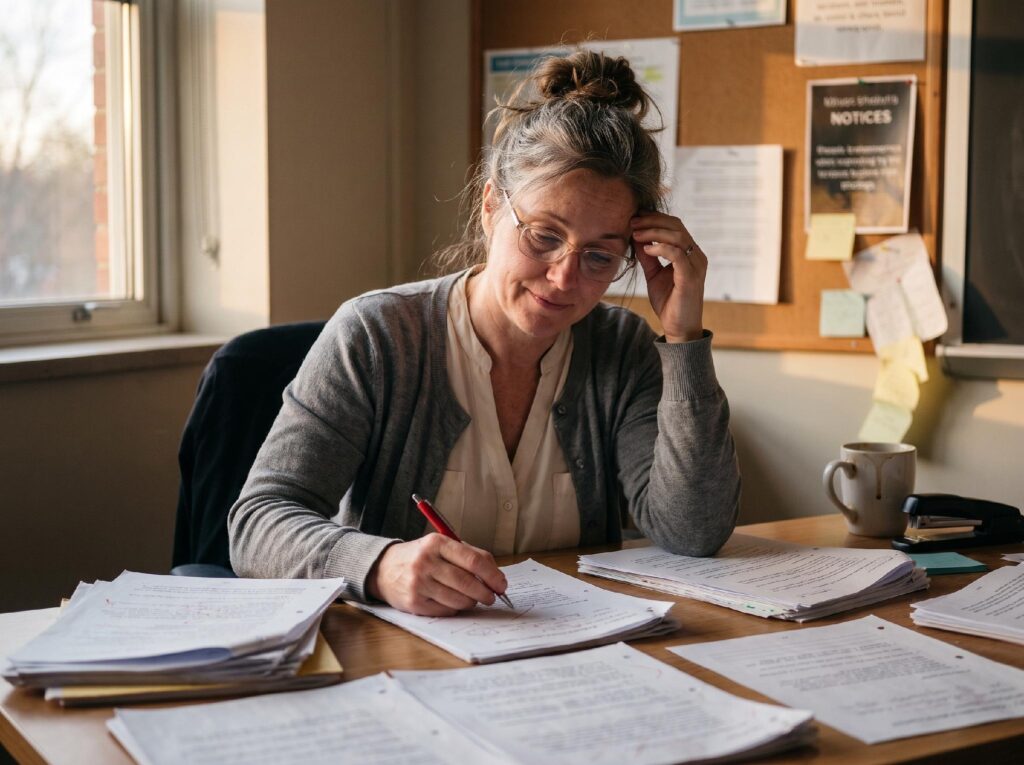
Teacher stress isn’t a talking point anymore. It’s a measurable trend. Fifty-five percent of K-12 public school teachers reported frequent job-related stress in 2026, according to RAND’s “Teacher Well-Being, Pay, and Intentions to Leave in 2026” report. That’s down from 62% in 2025, but it’s still nearly double the 34% rate reported by comparable working adults in other fields. RAND’s data also shows teachers logging an average of 49 hours a week, about 10 hours beyond what they’re contracted for, and 18% said they intended to leave their jobs by the end of the 2025-2026 school year.
Those figures align with what EdWeek reported from the same RAND survey: classroom management now outranks low pay as the top-named stressor. Those numbers describe a workforce running on fumes. Sick days and long weekends help, but they don’t fix the nightly grind of grading, planning, and answering parent emails after the kids are already asleep. What actually moves the needle is something teachers can build into their existing routine, not another item on a to-do list.
This is where a personal creative outlet, such as a custom color by number kit made from a favorite photo, earns its place. It gives a teacher a guided, no-decisions-required project to return to for 15 or 20 minutes a night. There’s no blank canvas staring back, no fear of “doing it wrong.” Just a numbered outline and a paintbrush, which turns out to matter more than it sounds.
The Science Behind Why Painting Actually Calms the Brain
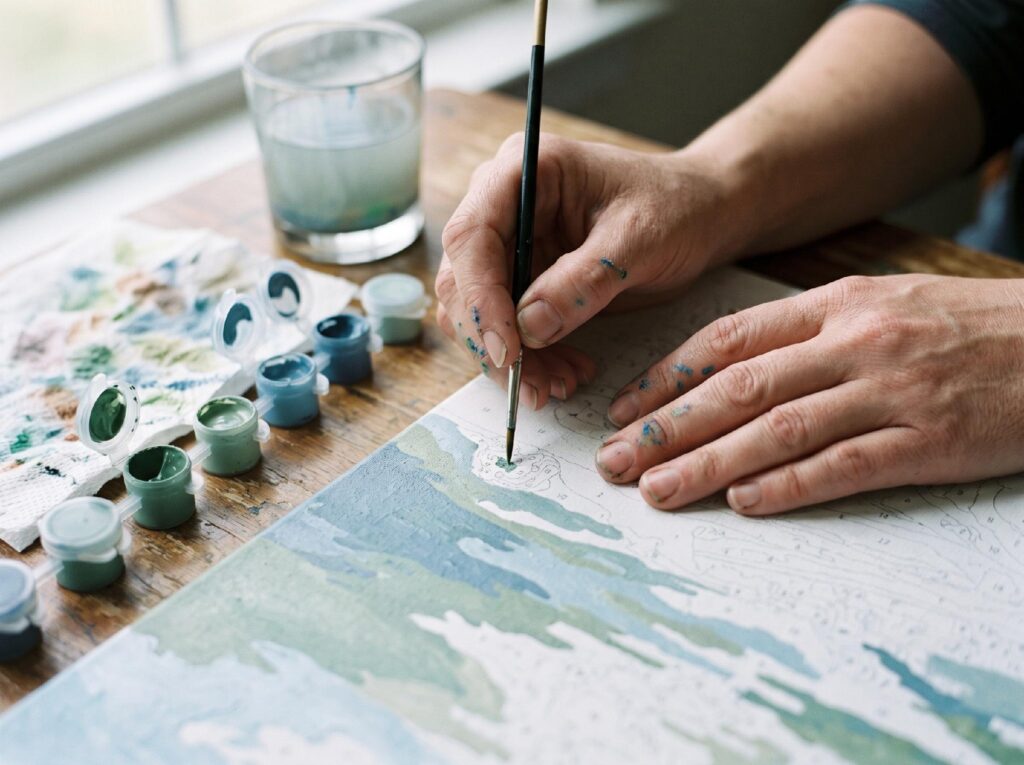
The cortisol data behind art-making is older than most people assume, and it’s held up well. A 2016 study published in the journal Art Therapy by researchers Kaimal, Ray, and Muniz at Drexel University found that just 45 minutes of art-making significantly lowered cortisol levels in most participants, regardless of prior skill or experience. You don’t need to be good at art. You just needed to make some.
More recent research backs that up with a much larger sample. A 2025 systematic review published in Psychiatria Danubina analyzed 14 randomized controlled trials involving 1,686 participants and found that every single trial showed significantly greater anxiety reduction in the art-based intervention groups compared to control groups. That’s not a fringe result. That’s consistency across more than a dozen independent studies.
What makes a numbered, pre-outlined canvas particularly effective for anxious or time-strapped people is the removal of decision fatigue. A blank canvas asks you to make choices: what to paint, how to start, whether it’s any good. A numbered canvas asks you to do one thing at a time: fill this shape with this color. That structure is what produces the flow state researchers associate with lower stress, not artistic talent.
Why Screen-Free and Structured Matters for Educators Specifically
Teachers spend their entire workday managing decisions. What to say next, how to redirect a distracted student, which behavior to address first, whether an email needs a reply tonight or can wait. By the time the school day ends, the last thing a decision-fatigued brain needs is another screen demanding attention or another open-ended task.
The National Education Association’s reporting on teacher stress trends echoes this pattern, and so does EdWeek’s coverage of RAND’s 2026 survey: the daily cognitive load of classroom management is one of the biggest contributors teachers name, often ranking above pay concerns. A hobby that requires zero decisions and zero screens gives that part of the brain a genuine break, rather than asking it to keep working in a different form.
This isn’t so different from what the site’s own coverage of student stress points to. Our piece on ways students manage exam-time pressure makes a similar case: structured, low-stakes routines reduce anxiety more reliably than vague advice to “relax.” Teachers deal with a version of the same problem every day, just with grading instead of exams.
How to Build a 20-Minute Creative Self-Care Habit Into a Teaching Schedule
A habit only sticks if it fits the existing schedule. A few practical ways to make that happen:
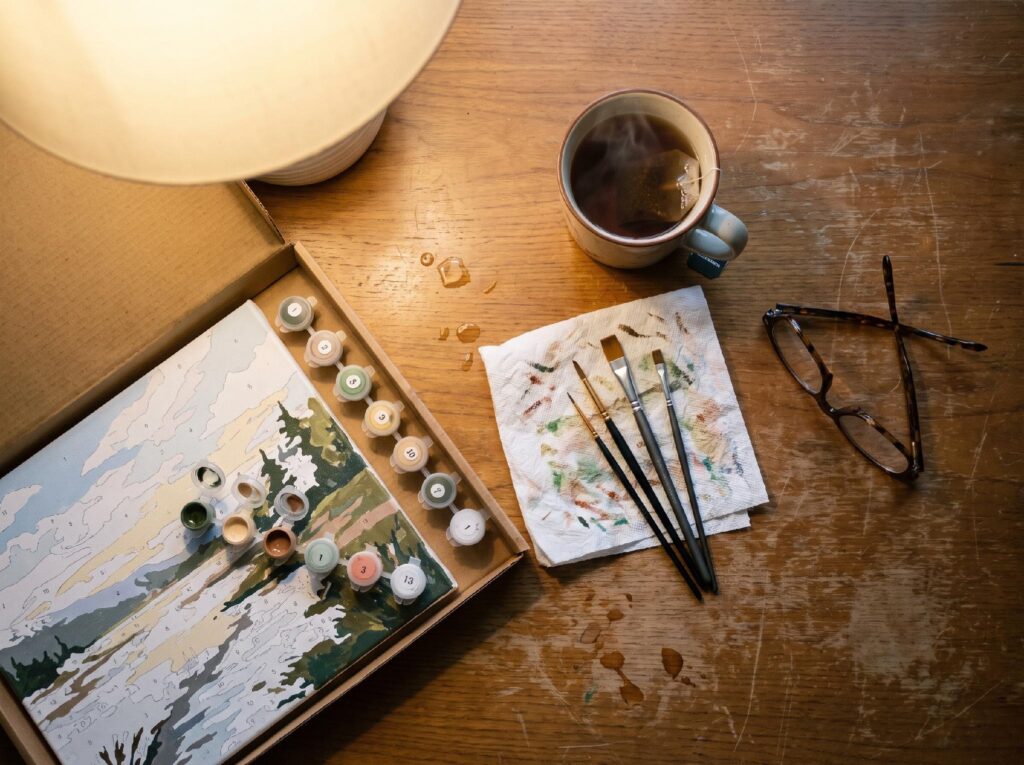
- Keep the kit next to the grading desk, not in a closet. Visibility matters more than intention.
- Pair it with something already part of the evening, such as a podcast or a favorite show playing in the background.
- Do a few numbered sections a night rather than trying to finish in one long weekend sitting. Ten minutes counts.
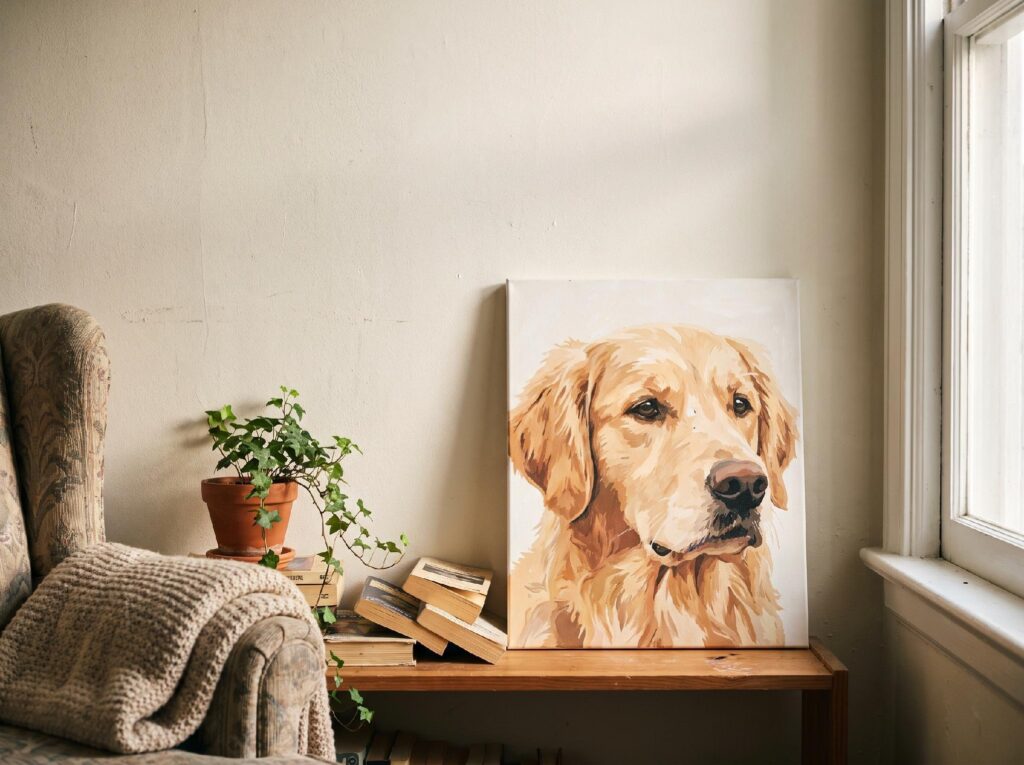
- Turn a photo that already means something, a pet, a family trip, a former student’s thank-you card, into the project. Personal subject matter makes it easier to return to the habit.
None of this replaces the bigger, systemic fixes schools need: smaller class sizes, more planning time, better pay. But those changes move slowly, and teachers need something now. Our resource on a broader framework for student well-being makes the case that success and well-being aren’t separate goals for students. The same logic applies to the adults running the classroom. A teacher who protects 20 minutes a night for something that isn’t grading is better positioned to show up for their students the next morning.
The Bottom Line
Teacher burnout won’t be solved by a paintbrush alone, and no one writing about self-care should pretend otherwise. But the RAND data makes clear the scale of the problem, and the cortisol research makes clear that structured, screen-free creative activity is one of the few interventions with real evidence behind it. A nightly habit that takes 15 minutes and asks nothing of a tired brain except to fill in a shape is a small, science-backed way for teachers to protect their own bandwidth, one evening at a time.