
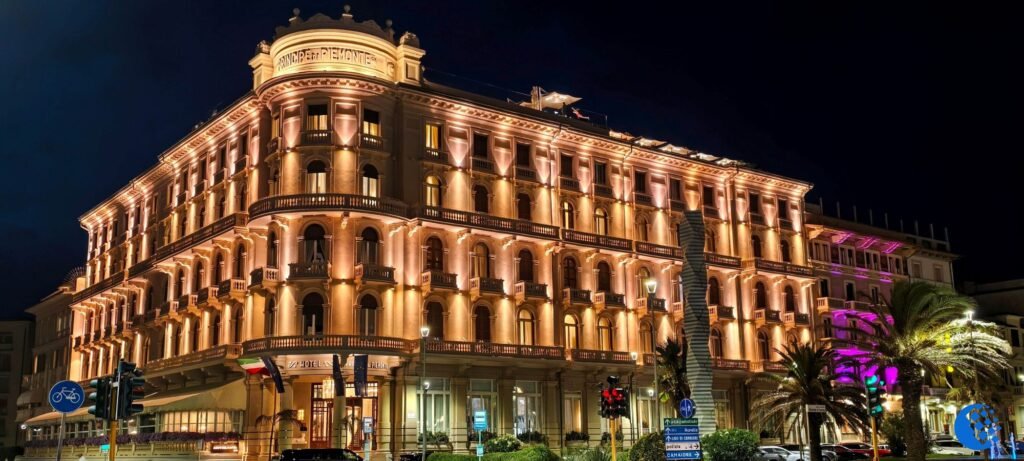
The real estate industry in 2026 is no longer just about brick and mortar. It is about the emotional and social resonance of the spaces we inhabit. Among the leaders of this sector, Ellison Development stands out.
The firm balances two very different worlds. They manage the high-octane urban mixed-use landscape of Florida and the essential, affordable housing market of Texas. Led by the strategic vision of CEO Casey Ellison, this firm has redefined the modern developer.
For most, a development company is a faceless corporation. It focuses solely on spreadsheets and profit margins. However, Ellison Development maintains a “family-first” soul while executing billion-dollar projects. This guide explores how they are reshaping the American landscape.
Table of Contents
- Introduction: Ellison Development in 2026
- The Visionary Philosophy of Casey Ellison
- Florida Operations: Urban Placemaking & Mixed-Use Projects
- Texas Expansion: Affordable Housing & Community Growth
- Key Projects: From The Central to Baron Village
- Market Comparison: Florida vs Texas Strategy
- Social Impact: Laura Ellison Child Development Center
- Technology & Innovation in Development (2026)
- Future Roadmap: Hospitality & National Expansion
- Ellison Development’s People-First Approach
- Frequently Asked Questions (FAQs)
The Visionary Philosophy of Casey Ellison
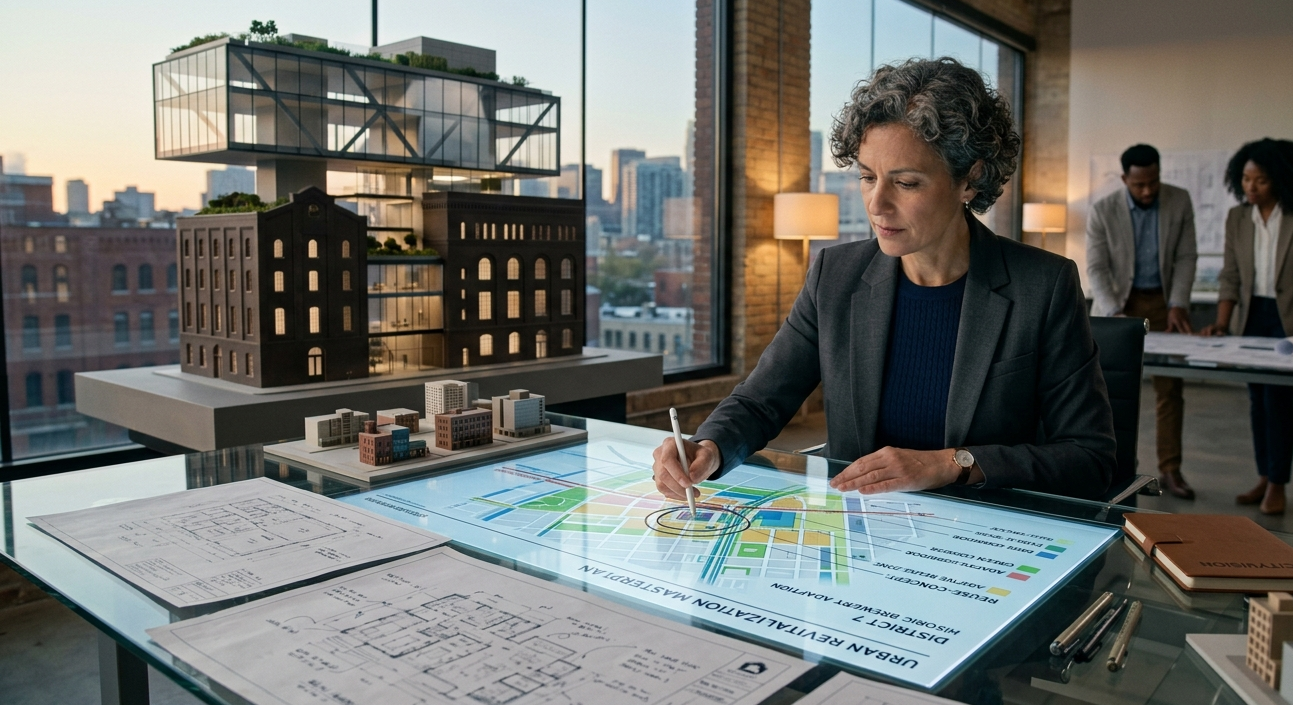
At the core of the firm is the idea of “Placemaking.” Casey Ellison often remarks that he doesn’t just build offices. He builds destinations. In 2026, people choose where to live based on the culture of the neighborhood.
This philosophy is reflected in their approach to historic preservation. Instead of tearing down the old, Ellison often chooses adaptive reuse. They take a building with a history and retrofit it with modern amenities.
This preserves the “spirit” of the city. It creates a sense of belonging that traditional developments cannot replicate. When you walk through their properties, you feel the intentionality behind every open space.
Florida: The Heart of Urban Placemaking
Florida is where the firm shows off its creative muscles. The company is a cornerstone of the broader ecosystem in Tampa. This includes construction and advisory arms.
This vertical integration allows them to control every aspect of a project. Currently, all eyes are on The Central in St. Petersburg’s EDGE District. This isn’t just a building; it’s a $200 million mini-city.
It combines a Marriott Autograph Collection hotel with Class A office spaces. Crucially, it includes workforce housing. It recognizes that for a city to thrive, teachers and nurses need to live near their work.
Texas: Sustaining the American Dream
While Florida is about urban density, Texas is about horizontal expansion. The Texas arm focuses on making homeownership accessible again. In 2026, inflation has squeezed the middle class.
Ellison’s focus on affordable residential lots is a critical service. Baron Village in Conroe is a massive project providing over 200 single-family lots. It is designed for families who want space without a crushing mortgage.
Castle’s Edge in Willis is a themed community that adds architectural fun. Saddle Village is a clever reuse of a former horse racetrack. They aren’t just selling land; they are providing foundations for new lives.
Market Comparison: A Tale of Two Regions
The Florida division deals primarily with vertical urban projects. It focuses on high-cap, multi-year hospitality ventures. These are driven by luxury travel and corporate hubs.
In contrast, the Texas division is the specialist in horizontal development. It focuses on single-family residential lots. This is driven by suburban migration and the need for affordability.
This balance allows the firm to remain financially resilient. When one market fluctuates, the other provides a steady foundation. One focuses on social interaction, while the other focuses on family stability.
Industry data and construction trends are often analyzed in detail by the National Association of Home Builders, making it a reliable reference for market insights.
The Social Impact: Laura Ellison Child Development Center
A key element of the brand is the Laura Ellison Child Development Center in Frisco, Texas. Established in 2005, it serves as a reminder that development should serve families.
While developers clear land, this center nurtures the next generation. It is a rare example of a development family investing in social infrastructure. It is not just about the commercial side.
For families in these communities, high-quality education is a major selling point. It shows a holistic approach where the builder cares about what happens inside the community. It creates a complete living environment.
The Technology Behind the Build
In 2026, you don’t build successfully without a heavy tech stack. Ellison Development has embraced the digital revolution to ensure efficiency. The firm uses specialized tools to test the viability of retail spaces.
Instead of guessing what stores people want, they use data to simulate behavior. This ensures that their “Placemaking” is engineered for success. Large-scale projects also require specialized expertise.
By collaborating with elite Commercial Contractors, the firm ensures complex designs are built to last. They use BIM and real-time monitoring to keep projects on track.
Modern developers also use Digital Product Discovery to analyze market data. This optimizes the tenant experience before a single brick is laid. Technology makes these ambitious visions possible.
The 2026 Roadmap: Hospitality and Beyond
What’s next for the firm? They have recently pivoted toward a national strategy in the hospitality sector. They are partnering with Marriott to develop boutique hotels across the country.
They are taking their “Tampa Vibe” and exporting it to other states. This growth shows a shift to becoming a national powerhouse. They are looking at cities that need a modern catalyst for redevelopment.
This move isn’t just about growth. It’s about proving that their unique brand of development works anywhere. They are revitalizing historic districts across America one hotel at a time.
Final Thought: The Legacy of People-First Development
As we navigate 2026, the real estate market is about utility and identity. Ellison Development proves that staying grounded in local needs leads to success. In Houston, that means solving the affordability crisis.
In Tampa, it means creating social hubs that give a city its character. The “Ellison approach” serves as a blueprint for the next decade. They balance family accountability with institutional growth.
The firm shows that you don’t have to sacrifice soul to achieve scale. Casey Ellison and his team treat projects like family members. This mindset leads to transformative results.
Their legacy won’t just be the buildings they leave behind. It will be the way those buildings made people feel. In an isolated world, physical spaces that force us to engage are more valuable than ever.
Frequently Asked Questions
Who is the CEO of Ellison Development?
Casey Ellison is the founder and CEO. He is credited with transforming the Tampa Heights area into a cultural hub.
Where can I find Ellison Development jobs in Texas?
Applicants can visit regional career portals. They are often looking for site supervisors and development specialists in the North Houston area.
Is there a link between the developer and the daycare in Frisco?
Yes. Both are part of the broader Ellison legacy of community building in Texas, providing essential infrastructure for families.
What are some notable projects in Tampa?
Notable projects include Armature Works, Hotel Haya, and the ongoing redevelopment of The Central in St. Pete.