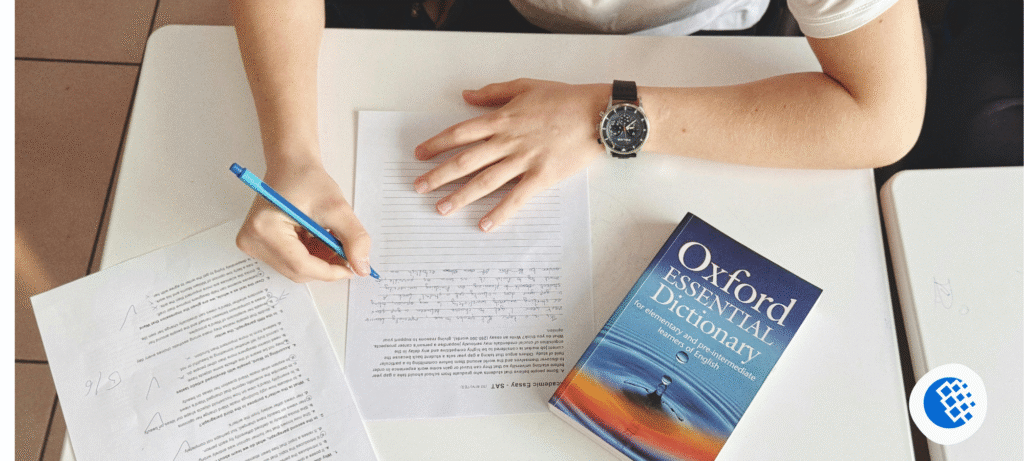

Exam season has a quiet way of taking over the whole house. The tension in your teenager’s shoulders becomes the tension at the dinner table, and the questions you ask out of love — “Have you revised?”, “How are you feeling about tomorrow?” — can land as pressure even when you mean them as care. You are not imagining the stakes, either. Years of research on adolescent mental health point to academic pressure as one of the strongest influences on how young people feel about themselves during their school years. The encouraging part is that how parents show up during this stretch genuinely matters — and often the most helpful thing you can do isn’t to push harder, but to steady the ground beneath them.
This guide walks through practical, low-pressure ways to help your teen do their best work while protecting their wellbeing. None of it requires you to become a revision coach or a therapist. It just asks you to be a calm, reliable presence in a season that can feel anything but calm.
Why Exam Season Feels So Heavy – for Everyone
It helps to remember that your teenager isn’t only revising. They’re also managing comparison with friends, worry about the future, disrupted sleep, and the fear of letting people down — sometimes you most of all.
A few things make this period uniquely intense:
- The stakes feel bigger than they are. To an adult, one set of results is a single step. To a 16-year-old, it can feel like the rest of their life is being decided in a two-hour window.
- Stress shows up sideways. It rarely arrives as a tidy “I’m anxious.” It looks like irritability, procrastination, tears over something small, or a sudden reluctance to talk.
- High achievers are not immune. Strong grades don’t guarantee a calm mind. Perfectionism and fear of slipping can weigh heaviest on the students who look like they’re coping best.
Once you see the pressure clearly, it becomes much easier to respond to the emotion underneath the behaviour rather than reacting to the behaviour itself.
Start With the Emotional Climate, Not the Timetable
Before you optimise a single revision schedule, look at the atmosphere at home. A tense household makes concentration harder; a steady one makes it possible.
Keep the home calm and predictable
Your teen’s nervous system settles when the environment around them is consistent. You can’t remove the exams, but you can remove background noise.
- Keep mealtimes and downtime roughly regular so the day has an anchor.
- Protect sleep fiercely — tired brains don’t retain information, and late-night cramming usually costs more than it gains.
- Make sure they actually eat and drink properly, and step away from the desk for real breaks.
Resist the urge to over-monitor
Constant check-ins feel like support to you and like surveillance to them. Trust that they know the work needs doing. One warm, open question a day beats ten anxious ones.
Talk in a Way That Opens Doors, Not Closes Them
How you talk about exams shapes how safe your teen feels bringing worries to you. The goal is to be the person they want to confide in, not the one they brace themselves for.
Listen more than you fix
When your teenager tells you they’re stressed, the instinct is to jump straight to solutions. Try to pause. Often they don’t need a plan — they need to feel heard.
A simple “That sounds really hard — do you want to talk about it, or just vent?” does more than any pep talk.
Choose words that lower the temperature
Small shifts in language change how much pressure a sentence carries.
- Instead of “Have you done enough revision?” → try “Is there anything that would make revising easier this week?”
- Instead of “You need to get an A” → try “I just want you to walk out feeling you gave it a fair go.”
- Instead of “Your sister never struggled with this” → say nothing at all. Comparisons rarely motivate; they usually wound.
The message underneath every helpful sentence is the same: my love for you isn’t tied to your results.
Know When Extra Support Actually Helps
Sometimes the kindest, most pressure-reducing move is to bring in help from outside the family. When a teenager is stuck on a particular subject, no amount of parental encouragement replaces clear, patient teaching from someone who knows the syllabus inside out. Outsourcing the academic side can also protect your relationship — you get to go back to being the calm parent rather than the reluctant stand-in maths teacher.
The key is matching the support to the exam board your child is actually sitting. A student preparing for Pearson qualifications, for instance, benefits far more from Edexcel tutors who teach directly to that specification than from generic revision help, because mark schemes, question styles, and assessment objectives differ noticeably from one board to the next. Targeted support like this tends to lower stress rather than raise it: your teen spends less time flailing at the wrong things and more time building real confidence in exactly what the exam will test.
A good tutor does something a worried parent can’t: they normalise not knowing. When a struggling student hears “lots of people find this bit tricky — here’s the trick” from a calm expert, the shame drains out of the subject — and shame is often what keeps a teenager frozen and avoidant in the first place.
Help Them Build a Revision Rhythm That’s Actually Sustainable
You don’t need to design the schedule for them, but you can gently steer them away from the two most common traps: doing nothing, or doing everything at once until they burn out.
A workable rhythm usually includes:
- Short, focused sessions. Roughly 25–40 minutes of real concentration followed by a proper break beats a marathon that dissolves into scrolling.
- Active recall over re-reading. Testing themselves, using flashcards, or explaining a topic out loud sticks far better than passively highlighting notes.
- One thing at a time. A vague “revise everything” is paralysing. “Today, just this one topic” is doable.
- Movement and daylight. A short walk between sessions resets focus better than another coffee.
Frame all of this as offering, not enforcing. “Would it help if I quizzed you for ten minutes?” invites them in. “You should be using flashcards” pushes them away.
Watch for the Signs It’s More Than Everyday Stress
Ordinary exam nerves are normal and even useful — a little adrenaline sharpens focus. But it’s worth knowing the difference between healthy pressure and something that needs more attention.
Keep a gentle eye out for changes that are persistent rather than passing:
- Sleep or appetite that shifts noticeably and stays that way.
- Withdrawing from friends, hobbies, or things they used to enjoy.
- Ongoing hopelessness, panic that doesn’t ease, or talk of not being able to cope.
- Physical complaints with no clear cause — headaches, stomach aches, constant fatigue.
Subtle, consistent changes are often more telling than dramatic outbursts. If any of this lingers, you don’t have to have the answers yourself. Talk to your GP, the school’s pastoral team, or a young people’s mental health service. Reaching out early is a sign of good parenting, never a failure of it.
Don’t Forget to Look After Yourself
It’s easy to pour everything into your teenager and forget that your own state sets the tone for the whole household. A frazzled, sleep-deprived parent quietly raises the pressure in the room, however hard they try to hide it.
Give yourself permission to:
- Step back from work you can’t do for them. You can’t sit the exam, and carrying their anxiety on top of your own helps no one.
- Keep your own routines going. Your exercise, friendships, and early nights aren’t luxuries during exam season — they’re what keep you steady enough to be useful.
- Talk to other parents. Almost everyone with a teenager is navigating some version of this. Comparing notes reminds you the hard days are normal.
When you stay regulated, you give your teen something to co-regulate with. Your calm is one of the most practical revision aids in the house.
Keep the Bigger Picture in View
Perhaps the most powerful thing you can offer your teenager is perspective they can’t yet see for themselves.
- One set of results does not define a life. Almost every path — resits, alternative routes, changing course later — stays open. Careers rarely run in the straight line teenagers imagine.
- You are modelling how to handle pressure. If you stay steady when they wobble, they borrow your calm. If you panic, they absorb that too.
- Your relationship outlasts the exams. In a decade they won’t remember their exact grades. They will remember whether home felt safe when things got hard.
Say it out loud, more than once: “Whatever happens in these exams, we’re going to be fine, and so are you.” Teenagers often can’t hold that truth on their own yet — so hold it for them until they can.
Final Thoughts
Supporting your teenager through exam season isn’t about having the perfect words or the flawless revision plan. It’s about being a dependable, warm presence in a stressful few weeks — someone who takes the pressure off rather than adding to it.
Keep the home calm. Listen before you fix. Bring in the right help when a subject needs it. Watch for the signs that stress has tipped into something heavier. And keep reminding them, and yourself, that their worth was never up for examination in the first place.
Do those things, and whatever the results envelope says, your teenager comes out the other side knowing the one thing that matters most: that they were never facing it alone.