Finding free incentives for students doesn’t mean sacrificing motivation or classroom engagement. Whether you’re teaching elementary, middle, or high school, there are dozens of no-cost rewards that encourage positive behavior, attendance, participation, and academic achievement.
Many teachers use free incentives for students in school because they improve classroom engagement without increasing personal out-of-pocket expenses. When you align your day-to-day strategies with proven positive reinforcement models, you bypass the need for expensive toy chests or sugary treats. Instead, by leveraging meaningful experiences, community recognition, and simple privileges, you can cultivate a learning environment where students actively take ownership of their behaviors.
What Are Free Incentives for Students?
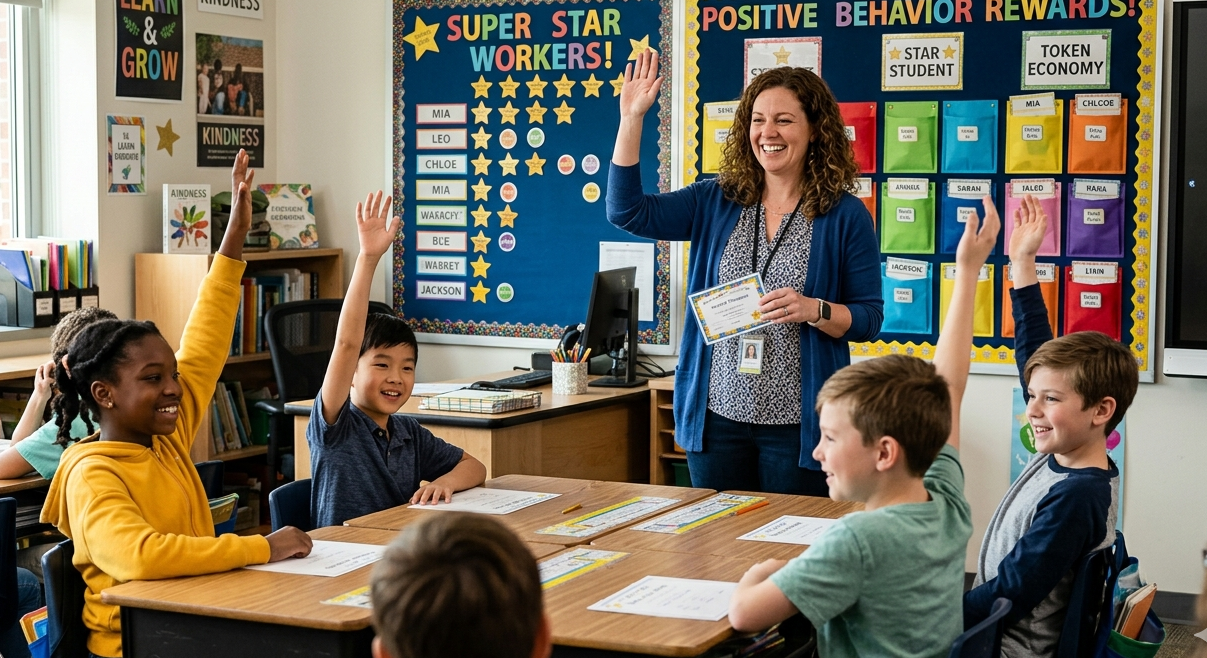
Quick Answer: Free incentives for students are no-cost rewards that motivate positive behavior, attendance, academic achievement, and classroom participation. Common examples include homework passes, extra recess, leadership roles, flexible seating, and positive recognition.
Benefits of Using Free Incentives in the Classroom
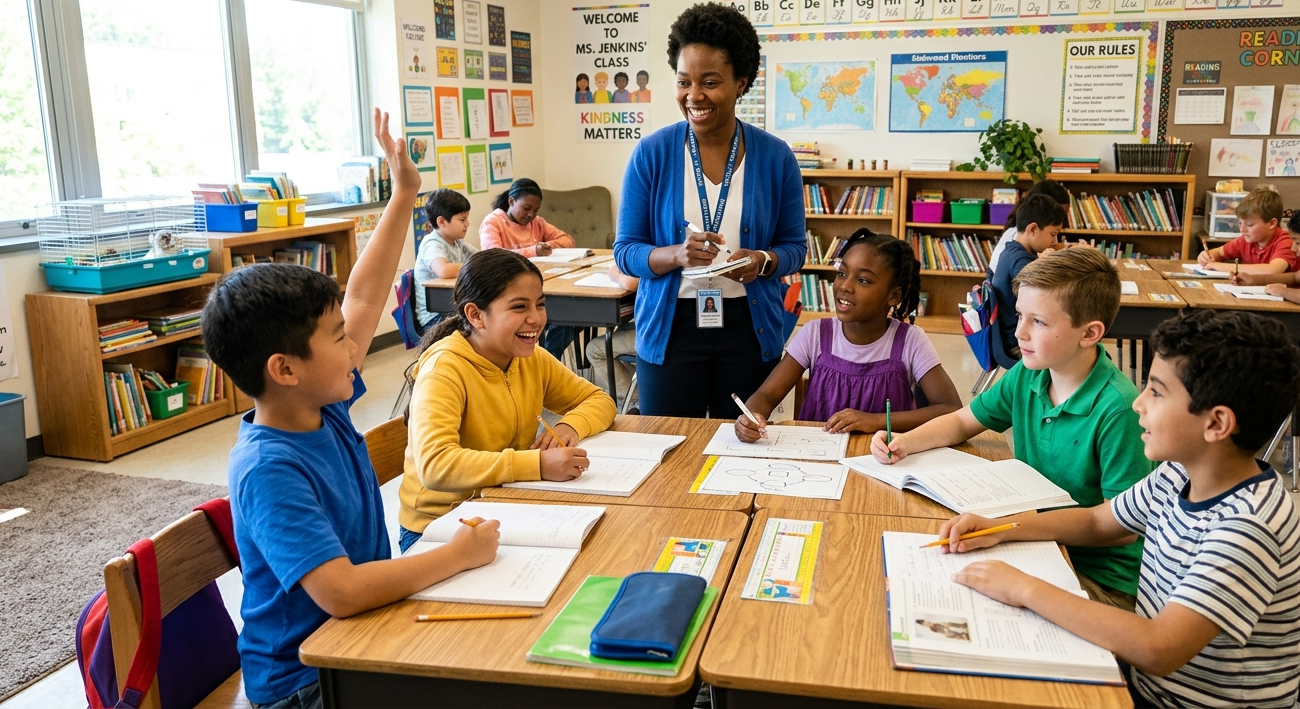
Shifting away from a candy-bowl approach to motivation isn’t just great for your wallet; it fundamentally alters the way your room operates. When you implement intentional rewards for students in the classroom, you build long-term systems that support a thriving academic community.
- Better Daily Attendance: Turning school into a place where milestones are celebrated makes children actually want to show up.
- Improved Student Behavior: Highlighting structural successes causes peer groups to replicate positive behavior naturally.
- Increased Lesson Engagement: When students know their focus directly unlocks fun perks, they stay checked into the daily lesson plan.
- Reduced Classroom Disruptions: Giving restless learners positive outlets or tasks eliminates the root causes of attention-seeking disruptions.
- Stronger Teacher-Student Relationships: Trading monetary rewards for personalized privileges builds genuine trust and mutual respect between you and your classes.
Top 10 Free Incentives for Students
If you need an immediate boost in motivation today, these ten universal, zero-cost options are highly effective across almost any grade level:
- Homework Pass: A classic voucher allowing a student to skip a non-essential assignment.
- Extra Recess Blocks: Giving the group 10 or 15 minutes of unstructured outdoor playtime.
- Teacher’s Assistant: Handing over operational tasks like paper collection or tech setup to a student.
- Lunch with the Teacher: Inviting a small student group to eat their lunches inside your room.
- Flexible Seating Choices: Granting special access to work on floor cushions or a special desk.
- Classroom DJ Authority: Letting a student choose an appropriate instrumental playlist for independent study blocks.
- Pajama Day Unlock: A community-wide reward allowing students to wear cozy loungewear for a day.
- Cross-Grade Reading Buddies: Sending older students to share picture books with younger grade levels.
- Line Leader Privilege: Letting a student steer the class queue safely down the hallway.
- Positive Notes Home: Sending a quick, glowing update directly to a family member’s inbox.
Best Free Incentives by Grade Level
| Grade Level | Best Free Incentives |
|---|---|
| Elementary School | Line leader, extra recess blocks, classroom helper, show-and-tell spotlight |
| Middle School | Homework pass, classroom DJ authority, flexible seating choices, partner selection |
| High School | Open-note quiz voucher, study hall freedom, prime parking passes, project extensions |
30 Free Incentives for Elementary Students
Younger learners thrive on immediate recognition, physical movement, and special helper roles. When designing a system of individual rewards for students at the elementary level, prioritize task-based privileges that make them feel valued. Many elementary teachers report that simple privileges such as being line leader or classroom helper often motivate students more than candy or toy rewards.
- Line Leader Status: Let the student guide the class queue safely through the hallways all day.
- Whiteboard Assistant: Allow them to hand out worksheets, collect homework papers, and use the special dry-erase markers.
- Indoor Picnic: Host a special lunch hour where the student (and one chosen friend) eats lunch at your desk.
- Classroom Anchor: Give them the authority to select the background instrumental ambient tracks during quiet writing blocks.
- Show and Tell Spotlight: Dedicate five minutes for the student to share a favorite toy, drawing, or family photograph with the entire class.
- Desk Mascot Privilege: Allow the student to bring a favorite stuffed animal from home to sit on their desk while they work.
- Brain Break Leader: Let them select the next interactive movement or stretch video for the room.
- Hat Day Voucher: Issue a special pass that lets the student wear their favorite baseball cap or beanie during instructional time.
- Story Circle Reader: Let them visit a younger classroom (like Kindergarten or Pre-K) to read a favorite picture book aloud.
- The VIP Workspace: Set up a specially decorated desk equipped with fancy markers and an office chair for the day’s top performer.
Free Attendance Incentives for Elementary Students
Missing just a few days each month can make it harder for young students to keep up with reading and math lessons. To build consistent habits early on, implement targeted, community-centric free attendance incentives for elementary students that turn showing up into a shared victory.
- The Attendance Superstar Board: Create a highly visible hallway bulletin board featuring the names or photos of students with perfect or vastly improved weekly attendance.
- The Mystery Attendance Envelope: Seal a fun, no-cost surprise activity (like a 15-minute drawing session) in an envelope at the start of the week, unlocking it only if the class hits a specific attendance target.
- Traveling Attendance Trophy: Work with school leadership to pass a giant, goofy stuffed animal or a plastic trophy from classroom to classroom to celebrate the highest attendance rate.
- Extra Recess Raffle: Every day a student arrives on time, they earn a ticket entered into a Friday raffle for 10 minutes of extra outdoor play for their entire row.
- Principal PA Announcement: Send a daily list of stellar attending classrooms to the front office to be read over the school-wide public address system.
- Cozy Slipper Unlock: Set a collective goal (e.g., 95% attendance for two straight weeks). Once met, the entire class earns a cozy pajama and slipper day.
Free Incentives for Middle School Students
Adolescent learners are deeply driven by peer connection, independent choices, and public or private validation. Generic primary-grade rewards fail here; instead, use these distinct free incentives for middle school students that respect their growing need for independence.
- Homework Pass Vouchers: Allow students to skip a non-essential nightly assignment or drop their lowest formative quiz score.
- Flexible Seating Rights: Grant them first dibs on sitting on cushions, at the science lab tables, or next to their preferred study partner for a week.
- Headphone Privileges: Allow the student to listen to their personal playlist via headphones during quiet writing or reading blocks.
- Partner Selection Pass: Let them select their own project partners rather than using a randomized seating chart.
- Late Assignment Grace: Give the student a one-day extension voucher on a major project with zero grading penalties.
- End-of-Block Tech Time: Provide 10 minutes of free tech time at the end of a block to play educational math games or check school scores.
- Teacher’s Chair Takeover: Let the student use your rolling office chair during independent desk assignments.
Free Incentives for High School Students
High schoolers respond best to functional rewards that alleviate academic stress, build professional rapport, or acknowledge their mature status within the school building. Many secondary educators note that high schoolers are incredibly driven by time-saving academic perks that help them manage their heavy workloads.
- Open-Note Quiz Voucher: Give the student the right to use their personal handwritten study notes on an upcoming unit assessment.
- Cumulative Final Review Exemption: For students maintaining a specific grade tier and flawless participation, offer an exemption from non-mandatory end-of-term reviews.
- Prime Parking Pass: Work with school administration to assign a temporary, front-row parking spot in the student lot to an outstanding senior.
- Study Hall Freedom: Allow the student to spend their study block working in the school courtyard or library instead of the standard cafeteria environment.
- Custom Letter Priority: Guarantee a highly detailed, personalized letter of recommendation completed ahead of early-decision college deadlines.
Whole Class Rewards That Are Free
Building a cohesive, supportive team culture requires collective milestones. When the entire room works together toward an objective, peer accountability turns positive behavior into a group effort. Try these whole class rewards that are free:
- Outdoor Lesson Day: Take the day’s reading or discussion assignment outside to a shaded grassy area on the school grounds.
- Classroom Flashlight Reading: Turn off the harsh overhead fluorescent lights, close the blinds, and let students read their books using small flashlights or desk lamps.
- Board Game Afternoon: Ask students to bring in their favorite strategy or board games from home for a 45-minute cooperative gaming block.
- Virtual Field Trip: Use free interactive mapping software to take your students on a guided digital tour of the Great Wall of China or the International Space Station.
- STEM Design Challenge: Use leftover classroom scrap paper, cardboard, and tape to run a competitive tower-building or bridge-engineering tournament.
Free Reading Incentives for Elementary Students
Encouraging a love for books requires tracking milestones creatively without relying on cheap plastic bookmarks or physical prizes.
- Book Bingo Boards: Distribute custom bingo cards tracking different genres (e.g., historical fiction, poetry, animal stories). Completing a row unlocks a special classroom title.
- The Mystery Reader Invitation: Invite a hidden guest—like the school custodian, a parent, or the principal—into the room to read a chosen story aloud once the class hits a reading target.
- Reading Buddy Afternoon: Partner your class with an older or younger grade level for a shared half-hour of collaborative paired reading.
Free School-Wide Incentives for Elementary Students
When individual classrooms unite under a singular objective, the entire climate of a school shifts for the better.
- The Principal Challenge: If the entire school reaches a specific benchmark (like reading 5,000 collective books), the principal agrees to dress up in a funny costume or get stuck to the gym wall with duct tape during an assembly.
- School Dance Break: Broadcast an upbeat song over the intercom system for exactly three minutes on a Friday afternoon, allowing every classroom to drop their pencils and dance.
Free Printable Incentive Chart Ideas
Visual progress tracking helps students remain focused on long-term behavioral or academic milestones. Using free incentive charts for students gives learners a tangible look at their growth over time. Even if you don’t provide download links directly, setting up these visual layouts on your boards works perfectly:
- Attendance Tracker Charts: A simple 5-day grid system where students place a checkmark next to their name each morning to visualize their weekly streak.
- Reading Tracker Pathways: A winding trail board game layout where students color in a new stone for every 15 minutes of sustained reading completed.
- Homework Completion Boards: A simple grid system that tracks consecutive turned-in tasks, triggering a reward once a row is completed.
- PBIS Acknowledgment Trackers: A shared classroom poster tracking collective positive behaviors, showing how close the group is to unlocking a privilege.
- Behavior Progress Charts: Personalized, private desk charts where an individual student monitors their focus goals across distinct blocks of the day.
Understanding Educational Authority Frameworks
To make these reward systems truly effective, it helps to ground them in established educational frameworks. Many schools use the Positive Behavioral Interventions and Supports (PBIS) model because it focuses on reinforcing positive behavior rather than relying solely on discipline. Rather than waiting for a student to break a rule, PBIS encourages staff to actively “catch” students doing the right thing.
National organizations provide extensive, evidence-based research backing these motivation strategies. For instance, both the U.S. Department of Education and the National Education Association (NEA) offer comprehensive guides emphasizing that student engagement increases dramatically when classrooms prioritize social recognition and internal autonomy over material rewards.
Common Mistakes Teachers Make With Student Rewards
Even the best-intentioned incentive systems can stall if they fall into a few common design traps. Here is what to avoid to keep your systems running smoothly:
- Over-Complicating the Tracking: If a system requires you to log points across three separate spreadsheets every hour, it will likely crumble by week three. Keep it simple and visible.
- Letting Rewards Stale: Human nature means that an incentive loses its power once it becomes predictable. Rotate your privilege lists every few weeks to maintain novelty.
- Delayed Reinforcement: For younger kids, waiting an entire month to earn a reward feels like an eternity. Ensure there are small, daily or weekly milestones to keep momentum high.
- Using Incentives as Bribes: Never offer a reward in the middle of a behavioral meltdown to get a student to stop. Incentives should proactively reinforce positive choices, not reward disruptive outbursts.
To see how these motivation systems integrate with your student tracking platforms, check out our walkthrough on using the Student Progress Center Iberia to monitor student records seamlessly. Additionally, ensuring your behavior expectations are anchored by a clear understanding of Key Academic Vocabulary and Definition routines will help your learners accurately process instructions across every subject area.
Frequently Asked Questions
What are free incentives for students?
Free incentives for students are no-cost rewards that motivate positive behavior, attendance, academic achievement, and classroom participation. Common examples include homework passes, extra recess, leadership roles, flexible seating, and positive recognition.
What are free incentives for middle school students?
Middle schoolers respond best to functional independence and social rewards. High-value, free incentives for middle school students include flexible seating choices, permission to wear a hat in class, dropping a low quiz grade, or setting up a lunch table with friends.
What are free attendance incentives for elementary students?
Great free attendance incentives for elementary students include class pajama days, mystery reward envelopes, digital morning announcement shoutouts, and traveling school trophies awarded to the room with the highest weekly turnout.
How do you reward students without spending money?
Focus entirely on experiential rewards. Turn mundane classroom tasks into elite leadership positions, give students control over environmental factors like lighting or music, and use visual charts to celebrate collective academic growth.
What are some free incentive charts for students?
Simple, no-cost free incentive charts for students include whiteboard milestone tallies, hand-drawn thermometer charts for tracking group goals, and individual progress sheets where students trace their personal behavior streaks with markers.
Conclusion
Mastering how free incentives for students motivate learners is a powerful tool for any digital educator or classroom teacher. By shifting your focus away from material items and leaning heavily into shared experiences, helpful student privileges, and public celebration, you build a classroom culture that naturally encourages real learning motivation.
An effective motivation strategy is never about bribing students to complete basic tasks. It is about constructing an organized, encouraging framework that respects their needs, celebrates their growth, and gives them a clear path to everyday classroom success.