Key Takeaways
- Personalised learning plans allow children to grow at their own pace.
- Multi-sensory teaching methods cater to visual, auditory, and kinaesthetic learners.
- Smaller class sizes enable teachers to identify and nurture specific student strengths.
Introduction
Every child is born with a unique way of looking at the world. Some are naturally drawn to numbers and patterns, while others express themselves through storytelling or physical movement. There is no such thing as a “one-size-fits-all” child, so why should education be any different? This is one of the primary reasons many families choose a private preschool in Singapore. Unlike more rigid traditional systems, private preschools often have the flexibility to adapt their teaching to suit the individual learning styles of each student. Whether your child is a budding artist, a tiny scientist, or a social butterfly, they need an environment that recognises and nurtures their specific talents. By acknowledging these differences early on, educators can help children build confidence and a genuine love for learning that will stay with them throughout their lives.
Recognising Different Learning Profiles
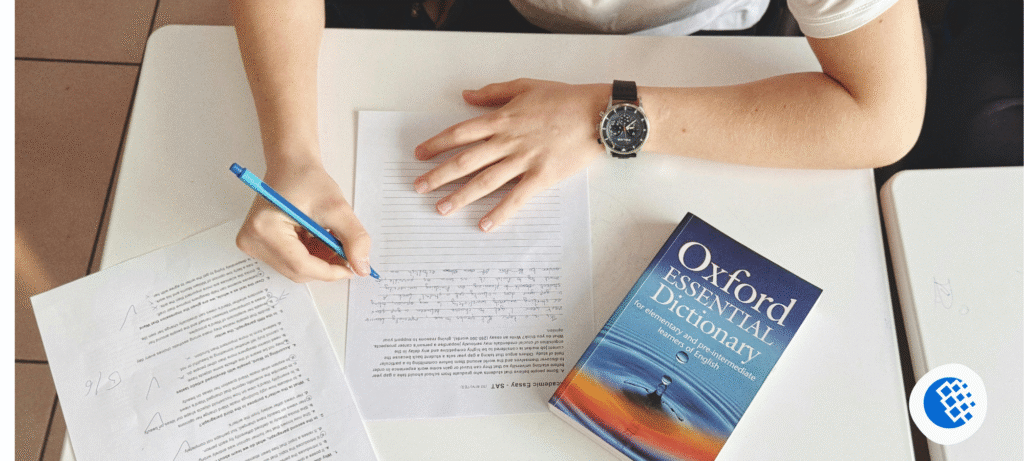
The first step in supporting individual learning styles is understanding them. Some children are visual learners; they need to see pictures and diagrams to grasp a concept. Others are auditory learners who thrive on listening to stories and participating in discussions. Then there are the kinaesthetic learners—the ones who need to touch, build, and move to truly understand. A top-tier private preschool employs teachers who are trained to identify these different profiles. You know what? It is quite amazing how quickly a child’s frustration disappears when a teacher explains a concept in a way that finally “clicks” for them. By observing how a child plays and interacts with materials, teachers can tailor their approach to make sure every student stays engaged. This is not about labelling children, but about giving them the tools they need to succeed.
Flexible and Multi-Sensory Teaching
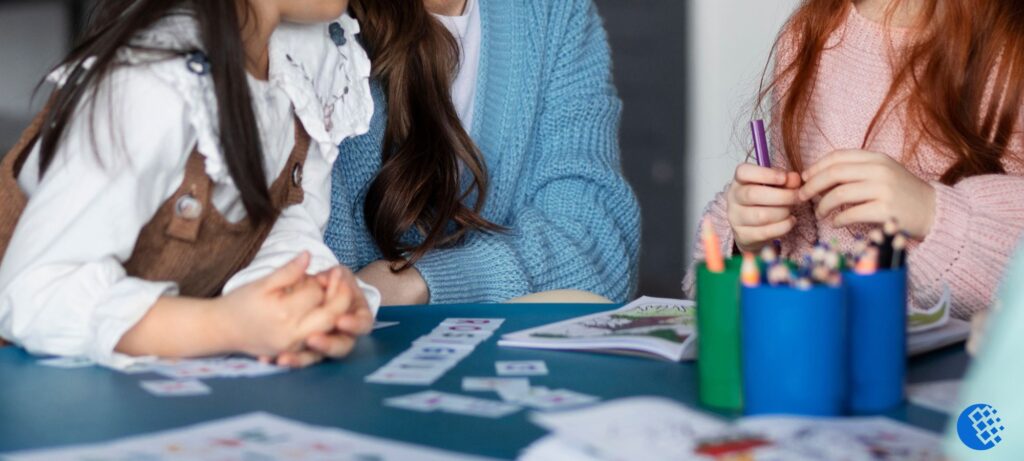
Once a child’s learning style is identified, the next step is providing a variety of ways to learn. This is where multi-sensory teaching comes into play. In a private preschool in Singapore, a lesson about the weather might involve reading a book, singing a song about rain, and feeling different textures like cotton wool for clouds or water for rain. By involving multiple senses, the teacher ensures that every child in the class can connect with the material, regardless of their preferred learning style. This variety keeps the classroom dynamic and prevents anyone from being left behind. Honestly, should not all learning be this engaging? When education appeals to a child’s natural curiosity through different media, it feels less like “work” and more like an exciting adventure.
Small Class Sizes and Attention
You can have the best curriculum in the world, but if a teacher is responsible for too many students, individualised support becomes almost impossible. Private preschools typically maintain low teacher-to-child ratios for exactly this reason. With fewer students to manage, the teacher can spend meaningful one-on-one time with each child. They can provide extra help to a student who is struggling with fine motor skills or offer more advanced materials to a child who has already mastered a particular concept. You know what? This individual attention is a game-changer for a child’s self-esteem. They feel seen and valued as individuals rather than just another face in the crowd. This personal connection between teacher and student is the foundation upon which all other learning is built, providing the security a child needs to explore new ideas.
Encouraging Autonomy and Choice
A key feature of many progressive preschool philosophies is giving children the power of choice. When a child is allowed to choose their own activities for part of the day, they naturally gravitate toward the things that align with their learning style. A visual learner might head to the art corner, while a kinaesthetic learner might choose the building blocks. A private preschool often structures its day to include “unstructured” play time, where the teacher acts as a facilitator rather than a director. This autonomy allows children to practice problem-solving and decision-making skills. It also gives the teacher a chance to observe the child’s natural interests and incorporate those interests into more structured lessons later on. By following the child’s lead, the learning process becomes much more organic and deeply meaningful to the student.
Conclusion
Supporting individual learning styles is about more than just academic success; it is about respecting a child’s individuality. When a school adapts to the child, rather than forcing the child to adapt to the school, the results are incredible. Children become more confident, more curious, and more resilient. A high-quality private preschool provides the perfect environment for this growth, offering the resources, the expertise, and the personal touch that make every child feel special. By choosing a school that values diversity in learning, you are giving your child the best possible foundation for their future. After all, when a child feels understood, there is no limit to what they can achieve. It is about nurturing the unique spark inside every young learner.
Contact MapleBear Lavender to see how we support your child’s unique learning journey.