

Teaching doesn’t pay what it should. Most educators figure that out by October of their first year, right around the time they’ve spent their own paycheck on bulletin board paper and a class set of pencils nobody returns. If you’re trying to save money as a teacher on a salary that barely covers rent in some districts, you’re not doing anything wrong — the math is just tight. This guide walks through what actually works: budgeting that fits a nine-month paycheck cycle, discounts most teachers forget to use, ways to trim classroom spending without shortchanging your students, and a few income ideas that don’t eat your weekends.
None of this requires a spreadsheet obsession or a finance degree. It requires a handful of habits, repeated often enough that they stop feeling like effort.
Quick Answer: Teachers can save money by building a budget around their actual pay schedule, automating savings on payday, using educator discounts, capping classroom spending, meal prepping, claiming the educator expense deduction, and adding modest side income through tutoring or selling lesson plans. Small, repeated habits like these can save a teacher several thousand dollars over a single school year.
Key Takeaways
- Automate savings the day your paycheck lands, before you have a chance to spend it.
- Set a hard classroom spending limit before the school year starts.
- Use every educator discount available — most go unclaimed simply because nobody asks.
- Build a summer savings line into your budget months before break starts.
- Build a small emergency fund before worrying about investing.
- Review subscriptions, insurance, and your budget every few months, not just once a year.
Why Saving Money Is Hard for Teachers
A few things stack against teachers that don’t stack against most other professions with similar education requirements.
Pay scales are rigid and slow. Raises are usually tied to years of service or additional coursework, not performance or market demand, so income growth crawls even when the cost of living doesn’t. Inflation eats into a fixed teacher salary faster than it eats into wages that adjust with the market, which is part of why “save money on a teacher salary” is such a common search in the first place.
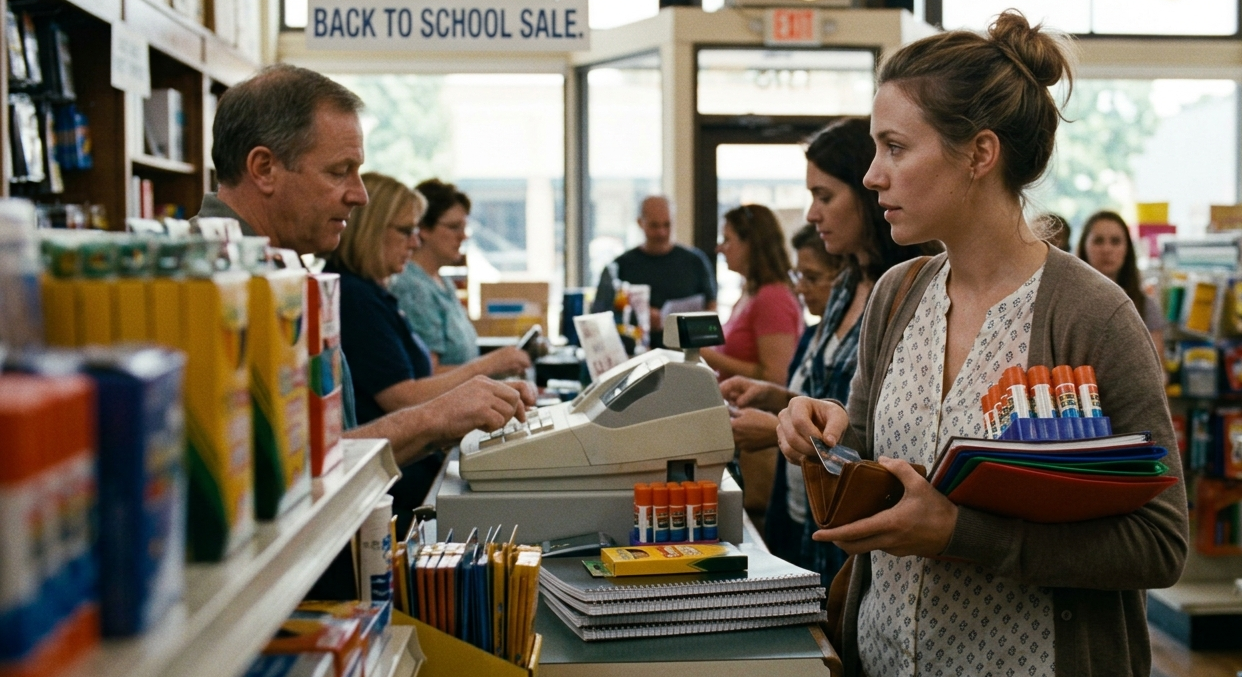
Then there’s the spending nobody outside the classroom sees coming — pencils, folders, snacks for the kid who didn’t eat breakfast, prize-box toys, printer ink when the copier’s broken again. Surveys from teacher associations have put average out-of-pocket classroom spending in the hundreds of dollars a year, and that’s before decorations or supplemental curriculum materials.
Summer makes it worse for a lot of teachers, not better. Paychecks either stretch thin across twelve months or stop entirely for two, depending on how the district structures pay, and either way it forces a kind of budgeting most nine-to-five workers never have to think about. Add student loan payments, which hit a disproportionate share of teachers given the degree requirements, and it’s not hard to see why “living paycheck to paycheck” shows up so often in teacher financial planning surveys.
None of that means saving is impossible. It means the strategy has to be built around a teacher’s actual pay calendar and actual spending pressure points, not generic budgeting advice written for someone with a flat monthly salary and no classroom to furnish.
Benefits of Learning How to Save Money as a Teacher
Before the tactics, it’s worth being honest about why this matters beyond “more money is nice.”
An emergency fund means a car repair or a broken laptop doesn’t turn into a credit card balance you’re still paying off in June. Consistent saving, even small amounts, benefits from compound interest over a 25- or 30-year teaching career in ways that matter a lot at retirement, especially since pension formulas vary wildly by state and aren’t always as generous as people assume. A better credit score, built partly by keeping balances low and payments automatic through payroll deduction or direct deposit, opens up better rates on everything from a car loan to a mortgage down the line. And frankly, less financial stress tends to show up in the classroom — teachers who aren’t quietly tracking their bank balance during planning period have more bandwidth for the actual job.
30 Ways to Save Money as a Teacher
1. Pay Yourself First
Set up an automatic transfer to a high-yield savings account the day your paycheck lands, before you’ve had a chance to spend it. Even $25 a paycheck adds up over a school year, and automating it through direct deposit removes the willpower requirement entirely.
2. Build a Real Emergency Fund
Aim for three to six months of essential expenses. Start smaller if that number feels impossible — even $500 covers most minor emergencies and keeps you off a credit card.
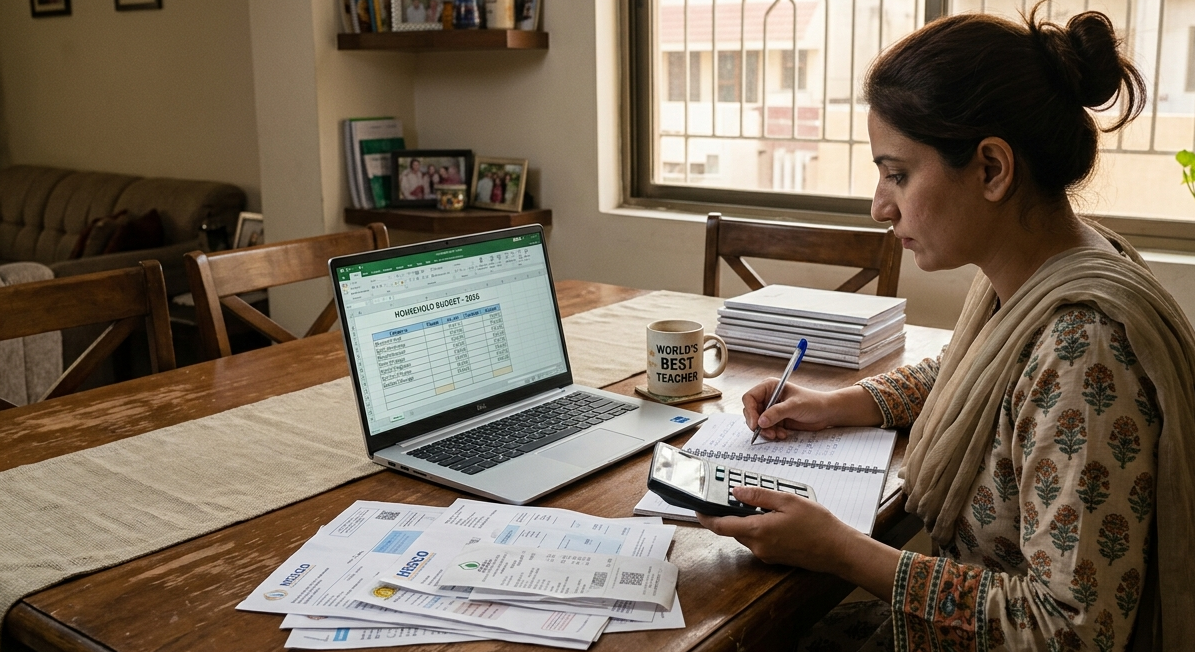
3. Use a Budget Built Around Your Actual Pay Schedule
If your district pays over 10 months instead of 12, a standard monthly budget will lie to you. This is one of the most overlooked teacher budgeting tips: build yours around the calendar you’re actually paid on, and set aside a slice of each check specifically for the gap months.
4. Track Every Dollar for One Month
Most people underestimate discretionary spending badly. A single month of honest tracking — an app, a notebook, whatever sticks — usually reveals two or three easy cuts nobody was aware of.
5. Cap Classroom Spending Before the Year Starts
Set a personal limit for out-of-pocket classroom costs and stick to it. It’s easy to keep adding “just one more thing” in August; a hard number stops that pattern before it starts.
6. Claim the Educator Expense Deduction
In the U.S., eligible teachers can deduct a set amount of unreimbursed classroom expenses on their federal return. Keep receipts through the year so you’re not scrambling in April.
7. Ask Before You Buy, In Store and Online
A huge number of retailers, software companies, and local businesses offer teacher discounts that aren’t advertised at checkout. Asking costs nothing.
8. Shop Back-to-School Clearance for Next Year
The cheapest time to buy classroom basics is the week after school starts, not the week before, when everything’s marked down 50–75%.
9. Borrow Before You Buy
Public libraries, school resource rooms, and departmental supply closets exist for a reason. Check there before ordering something new.
10. Reuse Classroom Decorations
Store bulletin board backing, borders, and letters at the end of the year instead of tossing them. Future-you will be grateful in August.
11. Request Donations From Parents and Local Businesses
A short supply wish list sent home at the start of the year covers more than most teachers expect, and many local businesses will donate to classrooms if asked directly.
12. Use DonorsChoose or Similar Platforms
Crowdfunded classroom grants exist specifically to cover the gap between what a district provides and what a classroom actually needs.
13. Buy Supplies in Bulk With Colleagues
Splitting a warehouse club membership or a bulk order across a grade-level team cuts per-person cost significantly.
14. Meal Prep Instead of Buying Lunch

This is one of the highest-impact teacher money saving tips, and the math backs it up. Buying lunch for around $12 every school day costs roughly $2,160 over a 180-day school year. Packing a $4 lunch instead brings that down to about $720 — a savings of roughly $1,440, without changing anything else about your routine.
15. Bring Your Own Coffee
A $5 coffee habit five days a week comes out to over $1,000 a year. A $30 thermos pays for itself in about two weeks.
16. Review Insurance Annually
Auto, renters, and health plans change price every year. A five-minute comparison shop, especially through a teacher union or credit union, can lower premiums without lowering coverage.
17. Refinance or Consolidate High-Interest Debt When It Makes Sense
If you’re carrying credit card debt at 20%+ interest, moving it to a lower-rate personal loan or a 0% balance transfer cashback credit card (used carefully) can save real money over time.
18. Look Into Student Loan Forgiveness Programs
Teachers may qualify for federal forgiveness or repayment assistance programs depending on subject, location, and loan type. It’s worth checking eligibility even if you assume you don’t qualify.
19. Use Cashback and Rewards Apps for Everyday Purchases
Grocery and general shopping cashback apps aren’t life-changing individually, but stacked over a year they add up to meaningful savings for close to zero effort.
20. Cancel Subscriptions You Forgot About
Streaming services, apps, and memberships pile up quietly. A quarterly audit usually finds at least one you’re not using.
21. Buy Generic Brands for Groceries
Store-brand groceries are frequently identical or near-identical to name brands at a lower price point, especially for staples, and the savings compound weekly.
22. Use a Flexible Spending Account or Health Savings Account
If your district offers an FSA or HSA, routing pre-tax dollars toward predictable medical or dependent care costs effectively gives you a discount equal to your tax rate on money you were going to spend anyway.
23. Set Up a No-Spend Challenge Once a Month
Picking one week (or one full month, if you’re ambitious) with zero discretionary spending resets habits and reveals what you actually need versus what you’re used to buying.
24. Save Windfalls Instead of Spending Them
Tax refunds, stipends, and summer paychecks are easy to treat as “extra.” Routing even half of a windfall straight to savings builds a cushion fast. If part of that windfall comes from taking on extra duties, it’s worth first understanding what a floater teacher role actually involves — some districts pay a stipend premium for teachers willing to cover multiple classrooms, and it’s a straightforward way to add income without taking on a second job outside the school.
25. Avoid Lifestyle Inflation After a Raise
When a raise or step increase hits, it’s tempting to expand spending to match. Redirecting even half of a raise to savings keeps the increase from disappearing into higher bills.
26. Join a Teacher-Specific Facebook Group or Swap Network
Grade-level and subject-specific teacher groups often trade or give away supplies, books, and furniture for free or close to it.
27. Repair Before You Replace
Printers, laminators, and classroom electronics can often be fixed for a fraction of replacement cost — a quick search for the model number and the issue usually turns up a fix.
28. Negotiate or Compare Your Phone and Internet Plans
Annual plan reviews on phone and internet service frequently uncover a cheaper plan with identical coverage, especially if you’re out of a promotional period.
29. Start a 529 Plan Early If You Have Kids
If college savings for your own children is on the radar, a 529 plan grows tax-free for education expenses and benefits enormously from starting early, even with small monthly contributions.
30. Review Your Progress Monthly
A ten-minute check-in once a month — what came in, what went out, what’s left in savings — keeps small course corrections small instead of letting them snowball. Building basic financial literacy habits like this is worth more over a teaching career than any single tip on this list.
How Can Teachers Save Money? Quick List
Teachers can save money by:
- Creating a monthly budget built around their actual pay schedule
- Automating savings through direct deposit
- Using educator discounts on shopping and software
- Meal prepping instead of buying lunch
- Reducing classroom expenses with a hard spending cap
- Tutoring or selling lesson plans for extra income
- Building an emergency fund before anything else
Which Method Saves the Most? A Quick Comparison
| Method | Savings Potential | Best For |
|---|---|---|
| Meal Prep | Very High | Everyone, low effort once set up |
| Educator Discounts | Moderate | Regular shoppers |
| Tutoring | Very High | Teachers wanting extra income |
| DonorsChoose / Grants | Moderate–High | Reducing classroom out-of-pocket costs |
| Cashback Apps | Low–Moderate | Everyday spending, minimal effort |
| Automated Savings | High (compounds over time) | Long-term financial security |
Teacher Discounts That Actually Add Up
Teacher discounts get talked about constantly and used inconsistently. The categories worth checking every time you shop:
| Category | Examples of Where to Ask |
|---|---|
| Technology | Apple, Microsoft, Dell, Adobe |
| Office & Classroom Supplies | Office Depot, Staples, Michaels |
| Clothing | Loft, Banana Republic, Gap |
| Books | Barnes & Noble, local bookstores |
| Travel | Some airlines and hotel chains offer seasonal educator rates |
| Software & Subscriptions | Canva, many grading and classroom-management tools |
Most of these require a teacher ID or verification through a service like ID.me at checkout — worth setting up once so it’s not a barrier every time.
Saving Money During Summer Break
Summer is where a lot of teacher budgets fall apart, mostly because the income pattern shifts and expenses don’t.
Start by building a summer-specific savings line into your budget during the school year — treat it the same way you’d treat a bill. If your district pays over 12 months already, this is less urgent, but it’s still worth having a buffer for the months when classroom-adjacent income disappears.
Summer Savings Timeline
- March: Start setting aside a fixed amount specifically for summer.
- April: Apply for summer school positions or district curriculum-writing work before spots fill up.
- May: List any lesson plans or classroom resources for sale on a teacher marketplace.
- June: Begin tutoring or any freelance education work lined up in advance.
- July: Review your budget at the midpoint and adjust before school-supply season hits.
- August: Buy classroom basics during clearance sales, not before.
For actual summer income, tutoring remains the most flexible option since it can be scheduled around anything else going on. Summer school and curriculum-writing gigs through the district are worth asking about early, since they fill up fast. Selling lesson plans on marketplaces built for teachers is a slower burn but can turn into steady passive income over a few years if you build up a catalog.
Reducing Classroom Expenses Without Shortchanging Students
This is the part where teachers tend to feel the most guilt, so it’s worth saying plainly: spending your own money to make a classroom nicer is generous, not required. Cutting back here isn’t cutting corners for kids.
A grant platform like DonorsChoose exists specifically to close the gap between what a school provides and what a classroom needs, and donors are often more willing to fund a $150 supply list than you’d expect. Parent donation requests, sent home early and specifically (“we need tissues and glue sticks,” not a vague ask), tend to get a better response than a general appeal. And a lot of what feels essential in August — matching decor, laminated everything — has a way of feeling optional by October once the routines are set.
Strong classroom management also indirectly protects your wallet: a well-run room goes through fewer consumables and replacement supplies than one where materials constantly go missing or get damaged. If you’re working on tightening that up, this overview of core teaching competencies covers the organizational habits that tend to reduce both stress and spending.
Sample Monthly Budget for a Teacher
| Category | % of Take-Home Pay | Notes |
|---|---|---|
| Housing | 30% | Rent/mortgage, utilities |
| Savings & Emergency Fund | 15% | Automated, first thing out of each check |
| Food | 12% | Groceries + reasonable eating out |
| Transportation | 10% | Car payment, gas, insurance, or transit |
| Debt Payments | 10% | Student loans, credit cards |
| Classroom Costs | 3–5% | Capped, tracked separately |
| Insurance & Healthcare | 5–8% | Beyond what’s payroll-deducted |
| Discretionary | 10–15% | Fun money, no guilt attached |
Adjust the percentages to your actual numbers — this is a starting template, not a rule. A basic budget planner or spreadsheet, updated monthly, is usually enough; you don’t need specialized software to make this work.
Retirement Planning for Teachers
Teacher retirement is genuinely more complicated than most other professions because pension systems vary enormously by state, and some states’ pension plans coordinate — or don’t — with Social Security in ways that catch people off guard decades later. A few things worth understanding early rather than at year 25:
A pension, where one exists, is typically based on years of service and final average salary — meaning the math rewards staying in-system longer, and switching states or districts can quietly reset that clock. A 403(b) is the teacher-specific equivalent of a 401(k) and, depending on the provider your district uses, fees can vary a lot — it’s worth comparing before auto-enrolling in whatever’s offered by default. A Roth IRA is worth considering alongside either, since it grows tax-free and isn’t tied to your employer at all. Understanding how cost of living and inflation erode a fixed pension over decades is also worth factoring in early, not after you’ve already retired on it.
Common Money Mistakes Teachers Make
- Spending the entire paycheck with no automated savings
- Treating classroom spending as unlimited or “part of the job” without a cap
- Skipping the educator expense deduction because tracking receipts feels tedious
- Carrying credit card balances instead of building a small emergency fund first
- Assuming pension contributions alone will be enough at retirement
- Not comparing insurance rates annually
- Ignoring available discounts because asking feels like a hassle
- Letting summer income gaps go unplanned until they’re already a problem
- Never checking their credit score, then getting a worse rate on a car loan than necessary
Frequently Asked Questions
How can I save money as a teacher on a low salary? Start with automated savings, even a small amount per paycheck, and build a budget around your district’s actual pay schedule. Cap classroom spending and use every available teacher discount before looking at bigger changes.
What’s the best budgeting method for teachers? There’s no single best method, but a percentage-based budget adjusted for a 9- or 10-month pay calendar tends to work better than generic monthly budgeting apps built for standard salaries.
How much should teachers have in an emergency fund? Three to six months of essential expenses is the standard target, but even $500–1,000 to start covers most minor emergencies without resorting to credit.
Do teacher discounts really make a difference? Individually, not much. Stacked across technology, supplies, clothing, and subscriptions over a year, they add up to real savings for very little effort.
Should teachers have a side hustle? It’s optional, not required, but tutoring, curriculum writing, or summer school work can meaningfully close a budget gap without demanding a second full-time job.
What’s the educator expense deduction? It’s a federal tax deduction that lets eligible U.S. teachers deduct a set amount of unreimbursed classroom spending each year. Keeping receipts throughout the year makes this painless at tax time.
How do teachers survive summer without a paycheck? By building a summer savings line into the school-year budget ahead of time, and lining up flexible income like tutoring or summer school early, since those positions fill quickly.
Is a 403(b) worth contributing to? Usually, especially if your district offers any kind of match, but it’s worth comparing plan fees first since some 403(b) providers charge significantly more than others for similar funds.
What should teachers avoid spending money on personally? Anything a grant, donation, or supply closet could reasonably cover instead — classroom decor and consumables being the biggest culprits.
How can new teachers avoid overspending in their first year? Set a hard classroom spending cap before the school year starts, and lean on veteran teachers and supply closets before buying anything new.
What are the best teacher side hustle ideas? Tutoring, selling lesson plans, summer school teaching, and curriculum writing are the most common because they use skills teachers already have and fit around the school calendar.
Does a high-yield savings account really matter? Yes, especially for an emergency fund — the difference in interest earned compared to a standard checking account adds up meaningfully over a few years with no extra effort.
Final Thoughts
None of this fixes a salary that’s too low for the job — that’s a separate, longer conversation. But inside the paycheck you do have, small consistent habits move the needle more than people expect: automate what you can, cap what you can’t control otherwise, and use the discounts and deductions that are sitting there unclaimed. Learning to save money as a teacher isn’t about one dramatic change — it’s usually three or four small ones, repeated until they’re automatic.
For anything related to substitute or multi-classroom pay stipends mentioned earlier, it helps to first understand what the floater teacher role actually covers day to day, and if you’re weighing whether extra duties like that fit your strengths, the teaching competencies breakdown is a useful gut-check before committing to more on your plate.
For readers who want to go deeper on the tax side, the IRS page on the Educator Expense Deduction lays out exactly what qualifies and the current deduction limit.
Before Your Next Paycheck
- [ ] Open or check your emergency fund savings account
- [ ] Automate a transfer, even a small one
- [ ] Review and cancel unused subscriptions
- [ ] Confirm you’re using every teacher discount available to you
- [ ] Set a classroom spending cap for the term
- [ ] Check whether you’re on track for your emergency fund goal
Saving money as a teacher won’t happen through one big change. It happens through a handful of small ones you don’t have to think about twice.