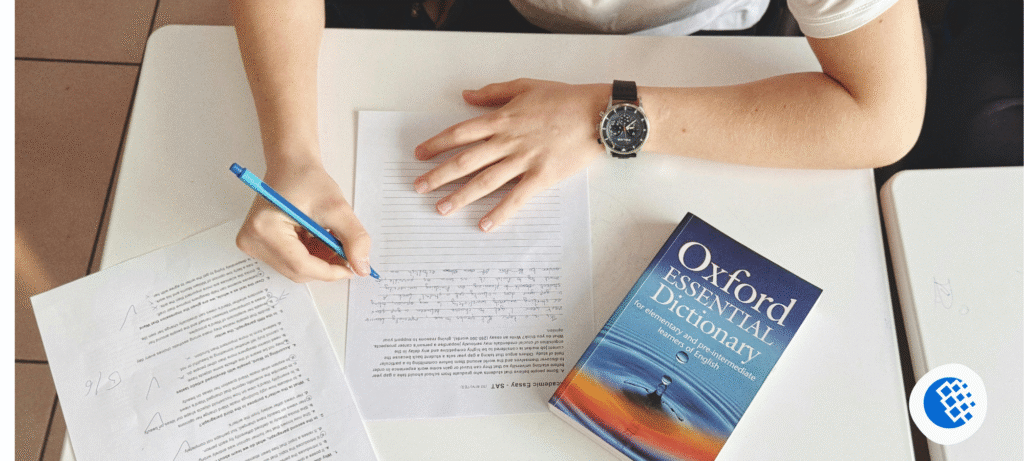

A floater teacher is a school or childcare employee who moves between classrooms instead of staying with one group all day. They step in to cover lunch breaks, staff meetings, planning periods, and absences. Unlike a substitute teacher, who’s usually called in for a single day, a floater is normally a regular staff member who already knows the school’s routines, the kids, and the other teachers on the team.
Table of Contents
- What Is a Floater Teacher?
- What Does a Floater Teacher Do?
- What Is a Floating Teacher?
- What Is a Floater Substitute Teacher?
- Types of Floater Teachers
- Where Are Floater Teachers Most Needed?
- Floater Teacher vs Substitute Teacher
- Floater Teacher vs Assistant Teacher
- Floater Teacher Job Description
- A Day in the Life of a Floater Teacher
- Skills Every Floater Teacher Needs
- Qualifications and Required Certifications
- Floater Teacher Salary
- Salary by State
- Preschool Floater Teacher
- Daycare Floater Teacher
- Daily Classroom Challenges
- Pros and Cons of Being a Floater Teacher
- Career Roadmap
- How to Become a Floater Teacher
- Common Mistakes New Floaters Make
- Interview Questions for Floater Teacher Roles
- Resume Tips
- What Real Floater Teachers Say
- Common Misconceptions
- Expert Tips for New Floater Teachers
- Floater Teacher Checklist
- FAQ
- Final Thoughts
Introduction
Ask ten people what a floater teacher actually does, and you’ll get ten half-answers. Some assume it’s basically a substitute. Others picture someone who wanders the halls doing nothing between classes. Neither is quite right, and honestly, that gap in understanding is exactly why the role gets misread so often.
So what is a floater teacher, really? At its core, it’s the person who fills whatever gap a school or childcare center runs into on a given day — a teacher out sick, a lead teacher pulled into a meeting, a classroom short-staffed right at lunch. Floaters step into that gap. Because they’re usually permanent staff, not outside hires, they already know the kids, the classroom management style in each room, and the daily rhythm of the building itself.
If you’re thinking about a teaching career more broadly, it helps to know what schools actually look for in the people running classrooms day to day. Our guide on Teaching Competencies of Teachers breaks down the core skills districts expect, and a lot of it overlaps directly with what makes a good floater.
This guide covers everything from daily duties and required certifications to salary by state, how the role compares to a substitute or assistant teacher, common interview questions, and what real floater teachers say about the job once they’ve actually done it for a while.
What Is a Floater Teacher?

In plain terms, a floater teacher is an employee at a school, preschool, or childcare center who moves between classrooms rather than staying with one group of students all day. Their job is coverage, supervision, and instructional support wherever the building needs it that particular day.
Definition
The “floater” part of the title means exactly what it sounds like. You float from room to room based on where coverage is needed. One morning might mean covering a kindergarten class during a lead teacher’s planning period. By afternoon, the same floater could be helping run a reading group in third grade, or covering recess for a room that’s short-staffed.
Why Schools Hire Floater Teachers
Staffing gaps happen constantly in schools and childcare centers, more than most people outside education realize. Teachers need planning periods. Sick days happen. Meetings pull staff out of their rooms. Lunch coverage has to come from somewhere. Floater teachers exist specifically to absorb all of that without disrupting the learning environment for kids who are just trying to get through their day.
Where Floater Teachers Work
You’ll find floater teachers pretty much everywhere in early education — daycare centers, preschools, elementary schools, private schools, Montessori programs, you name it. Some school districts hire floaters specifically so they can rotate across multiple classrooms within one building. Childcare centers, on the other hand, often lean on the role for a different reason entirely: staying compliant with staff-to-child ratios across different age groups throughout the day.
What Does a Floater Teacher Do?
A floater teacher covers absent teachers, supervises lunch and recess, leads small reading or activity groups, manages classroom transitions, handles behavior management whenever it comes up, and picks up administrative tasks as needed too. Basically, whatever a classroom needs on any given day — that’s the job, plain and simple.
Typical duties include:
- Covering classrooms during a lead teacher’s planning period or meeting
- Supervising lunch, recess, and hallway transitions
- Leading small group instruction, like reading or math support
- Assisting with classroom management and behavior redirection
- Helping set up or clean up activities and materials
- Supporting special education students alongside a classroom aide or paraeducator
- Filling in temporarily when a teacher is absent, similar to a substitute teacher
- Providing instructional support during whole-group lessons
- Communicating classroom needs to school administration when patterns emerge
What Is a Floating Teacher?

A floating teacher describes the same role as a floater or float teacher. It’s an educator who moves between classrooms instead of being assigned to one permanent group. The wording mostly comes down to region, and whether the employer is a school district or a private childcare center.
Some job boards and districts prefer “floating teacher” in official postings, particularly in areas where “floater” reads as a little too casual for formal paperwork. Functionally, though, you’re looking at identical day-to-day work no matter which term lands in the listing.
What Is a Floater Substitute Teacher?
A floater substitute teacher basically blends the flexibility of substitute teaching with the consistency of a permanent staff position. Instead of getting called in for a single day at some unfamiliar school, this person works regularly within one building, covering different classrooms as needed rather than filling in for just one absent teacher at a time.
Here’s why that distinction actually matters, and it’s a bigger deal than people assume. A traditional substitute teacher usually shows up cold — no idea who the students are, what the classroom rules look like, or where the lesson was even left off. A floater substitute teacher, on the other hand, already knows the building’s routines inside and out, which tends to translate into smoother classroom management and a lot less disruption for students whenever coverage is actually needed.
Types of Floater Teachers
Not every floater teacher does the same version of this job. The role splits pretty clearly by setting and age group:
- Preschool Floater — rotates across preschool classrooms within one center
- Infant Room Floater — covers infant care specifically, with a heavy focus on ratios and feeding schedules
- Toddler Floater — similar to infant coverage, but with more activity-based supervision
- Elementary Floater — rotates across K-5 classrooms in a school building
- Middle School Floater — less common, usually tied to specific subject coverage or special education support
- High School Floater — rare compared to elementary settings, often limited to study hall or special education coverage
- Building Substitute — a school-district term that’s functionally identical to a floater teacher
- Floating Substitute — the hybrid role covered above, blending substitute flexibility with staff familiarity
- Special Education Floater — rotates specifically among classrooms needing IEP or paraeducator-level support
Where Are Floater Teachers Most Needed?
Demand for floaters tends to cluster in a handful of settings — public schools, private schools, Montessori programs, charter schools, daycare centers, Head Start programs, standalone childcare centers, and private learning centers, among others. Larger school districts and multi-classroom childcare centers generally need floaters more consistently than small, single-classroom operations do. Makes sense when you think about it — more classrooms just means more staffing complexity to cover on any given day.
Floater Teacher vs Substitute Teacher
The biggest difference between a floater and a substitute comes down to employment status and familiarity. Floaters are typically permanent staff who rotate across classrooms daily. Substitutes are usually temporary, called in on short notice, and often unfamiliar with the specific classroom they’re stepping into.
| Factor | Floater Teacher | Substitute Teacher |
|---|---|---|
| Employment | Permanent staff member | Temporary, on-call |
| Schedule | Regular, predictable hours | Varies day to day |
| Familiarity with students | High | Usually low |
| Lesson planning | Rarely creates lesson plans | Follows plans left by absent teacher |
| Classroom assignment | Multiple classrooms, same building | Any available classroom or school |
| Salary structure | Hourly or salaried staff wage | Daily substitute pay rate |
Floater Teacher vs Assistant Teacher
An assistant teacher, sometimes called a teacher aide or paraeducator, generally supports one lead teacher in one classroom throughout the day. A floater teacher moves across multiple classrooms instead, working with several different lead teachers depending on where coverage is needed that day.
| Factor | Floater Teacher | Assistant Teacher |
|---|---|---|
| Classroom assignment | Rotates across rooms | Fixed, single classroom |
| Relationship with students | Familiar with many groups | Deep familiarity with one group |
| Reporting structure | Often reports to school administration directly | Reports to one lead teacher |
| Consistency | Different routine daily | Same routine daily |
Floater Teacher Job Description
A typical floater teacher job description usually covers a fairly wide range of duties: classroom coverage during staff absences, planning periods, and meetings; supervising students during lunch, recess, and transitions; supporting lead teachers with classroom management and instructional activities; keeping a safe, structured learning environment going across multiple classrooms; and, just as importantly, communicating clearly with lead teachers, assistant teachers, and school administrators about each classroom’s routines and expectations.
A Day in the Life of a Floater Teacher
No two days look identical, but the shape of it usually follows a similar pattern:
8:00 AM — Check the day’s coverage schedule with administration, then head to the first classroom, often covering an early planning period.
9:30 AM — Rotate into a different classroom to support a small reading group or assist a paraeducator with special education students.
10:15 AM — Cover another room briefly if a teacher steps out for a quick meeting or phone call.
11:00 AM — Lunch and recess supervision. This is one of the single most common coverage needs across both schools and childcare centers.
12:30 PM — Small group instruction, often math or literacy support, in yet another classroom.
2:00 PM — Special education support alongside a classroom aide, if the building’s schedule calls for it.
3:00 PM — Dismissal support and transitions, sometimes across two or three rooms depending on that day’s staffing gaps.
Skills Every Floater Teacher Needs
| Skill | Why It Matters |
|---|---|
| Adaptability | No two days look the same, and routines change room to room |
| Communication | You need to get up to speed on a classroom’s rules within minutes |
| Patience | Adjusting to new groups repeatedly takes real emotional stamina |
| Organization | Juggling multiple age groups and lesson styles requires structure |
| Problem-solving | Unexpected situations come up constantly with little warning |
| Observation | Quickly reading a room’s dynamic before jumping in matters a lot |
| Classroom management | Different groups respond to different redirection styles |
| Time management | Coverage schedules shift, sometimes with almost no notice |
Qualifications and Required Certifications
Most floater teacher positions require at least a high school diploma, though many schools and childcare centers prefer some college coursework in early childhood education. Beyond that baseline, expect these common requirements:
- CPR certification
- First Aid certification
- Background check and fingerprinting through the school district or state licensing agency
- A Child Development Associate (CDA) credential, in some childcare settings
- An Early Childhood Education (ECE) certificate or associate degree, preferred in many preschool roles
- A bachelor’s degree, occasionally required for school-district positions
- A teaching license, only in cases where the floater role overlaps with formal instructional duties
Requirements shift a fair amount by state and by individual school district, so it’s worth checking specific licensing rules through your state’s Department of Education before assuming any single standard applies everywhere.
Floater Teacher Salary
Floater teacher pay typically runs anywhere from $12 to $20 an hour, depending on the setting, location, and how much experience you’re bringing to the table. Daycare and preschool roles usually sit on the lower end of that range, while K-12 school district positions tend to trend higher — especially in states with stronger public education funding behind them.
| Setting | Typical Hourly Range |
|---|---|
| Daycare Center | $12–16/hour |
| Preschool | $13–18/hour |
| Elementary School (District) | $15–20/hour |
| Private School | $14–19/hour |
| Montessori Program | $14–19/hour |
| Church School | $12–17/hour |
Salary factors worth keeping in mind include the specific district’s pay scale, state minimum wage laws, years of experience, whether a degree in early childhood education is required, and cost-of-living differences between regions. If you want a broader sense of how these numbers shift nationally, the Bureau of Labor Statistics tracks wage data for childcare and education support roles more generally.
Salary by State
Pay for floater and classroom support roles varies noticeably depending on where you’re working, largely tracking each state’s overall cost of living and public education funding levels.
| State | Typical Hourly Range |
|---|---|
| California | $16–22/hour |
| Texas | $12–17/hour |
| Florida | $12–16/hour |
| New York | $16–21/hour |
| Illinois | $14–19/hour |
| Georgia | $12–16/hour |
| Pennsylvania | $13–18/hour |
These ranges are general estimates, not fixed figures, since individual districts and centers set their own pay scales within state guidelines.
Preschool Floater Teacher
A preschool floater teacher rotates between different preschool classrooms and age groups within the same center. They support lead teachers with lesson activities, supervision, and classroom transitions rather than sticking with one group of children all day.

Preschool floaters often deal with a wider developmental spread than a school-based floater, since one center might house infants, toddlers, and pre-kindergarteners under a single roof. That means adjusting both teaching style and supervision approach several times over the course of a single day.
Daycare Floater Teacher
A daycare floater teacher performs largely the same duties as a preschool floater, but with a heavier focus on maintaining state-mandated child-to-staff ratios across different age-group rooms, rather than primarily supporting structured lesson delivery.
The daily rhythm at a daycare tends to revolve more around feeding schedules, nap times, and ratio compliance than academic instruction. That shifts a daycare floater’s priorities a bit compared to someone working in a more academically structured preschool or elementary setting.
Daily Classroom Challenges
The floater role comes with a specific set of daily friction points competitors rarely dig into. Behavior management looks different in every room, since kids respond to different adults differently, and what works with one lead teacher’s class might completely miss with another. Learning each classroom’s unique routines on the fly is its own skill, honestly, one that takes months to get genuinely comfortable with.
Building real student relationships gets harder too, since you’re not with any single group long enough to develop the same rapport a lead teacher builds over a full year. Last-minute schedule changes are just part of the territory, and floaters need to stay ready to pivot without much warning. Communication gaps between staff can create confusion about who’s covering what, and special education support brings its own layer of complexity, particularly when a floater needs to understand a student’s IEP quickly without the background a lead teacher or paraeducator already has. Transition periods, arguably, are where most of the actual skill in this job shows up, since moving thirty kids from one activity to the next smoothly takes real technique.
Pros and Cons of Being a Floater Teacher
| Pros | Cons |
|---|---|
| Variety keeps the job from feeling repetitive | Constantly adjusting to new routines |
| Broad exposure builds a wide skill set fast | Less bonding time with any single group |
| Flexible schedule suits people who dislike routine | Unpredictable daily assignments |
| Common stepping stone toward lead teacher roles | Can feel like the “extra” person in a room |
| Builds relationships across the whole building | Requires constant re-adjustment throughout the day |
Career Roadmap
A fairly common progression looks something like this: starting out as an assistant teacher or teacher aide, moving into a floater teacher role to build broader classroom exposure, advancing into a lead teacher position once that experience accumulates, and then, for people who want to keep climbing, moving toward senior teacher status, curriculum coordinator work, and eventually vice principal or principal roles in school administration.
Not everyone wants to go that far, and that’s fine. Plenty of floaters stay in the role for years simply because they genuinely enjoy the variety and don’t want a fixed classroom assignment.
How to Become a Floater Teacher
Getting into this role usually follows a fairly predictable sequence. Start with the right education — a high school diploma at minimum, with coursework or a degree in early childhood education preferred for preschool and daycare settings. Next, line up your certifications: CPR, First Aid, and a cleared background check are close to universal requirements.
From there, build some hands-on experience, even informally, through babysitting, tutoring, or volunteer classroom work, since most employers want to see some comfort working directly with children before hiring you. Once you’ve got that foundation, start applying specifically to floater or “building substitute” listings, since these get posted separately from standard classroom teacher roles more often than you’d expect. Prepare for the interview by thinking through how you’d handle multiple classrooms and unpredictable schedules, since that’s almost always the core question employers care about. Finally, expect some on-the-job training once hired, since every building has its own routines and expectations you’ll need to pick up quickly.
Common Mistakes New Floaters Make
- Not asking about classroom expectations upfront. Walking into a room without a quick handoff leads to confusion for both you and the students.
- Ignoring existing routines. Each classroom has its own systems, and overriding them, even with good intentions, tends to backfire.
- Weak communication with lead teachers. A quick check-in before and after coverage prevents a surprising number of avoidable issues.
- Poor time management between rooms. Running late to the next assignment creates a ripple effect across the whole building’s schedule.
- Lack of flexibility. Getting attached to how one classroom does things makes adjusting to the next one harder than it needs to be.
Interview Questions for Floater Teacher Roles
Employers hiring for this role tend to ask a fairly consistent set of questions:
- Tell me about yourself and your experience working with children.
- How do you handle managing multiple classrooms in a single day?
- How do you deal with a difficult or disruptive student in a room you don’t know well?
- Describe a time you had to adapt quickly to an unexpected schedule change.
- How would you build rapport with a group of students you only see occasionally?
- What would you do if two classrooms needed coverage at the same time?

Resume Tips
Highlight any experience working across different age groups or settings, even informally, since that directly signals adaptability. List specific certifications clearly — CPR, First Aid, CDA, or any ECE coursework — rather than burying them in a general skills section. Mention specific classroom management strategies you’ve used, not just that you “have experience,” since concrete examples stand out far more in a stack of similar applications. If you’ve covered for absences, led small groups, or supported special education students in any prior role, spell that out directly instead of assuming it’s implied.
What Real Floater Teachers Say
Search around education forums and you’ll find a pretty consistent picture from people actually doing this work day to day. A recurring theme is that no two days feel the same. One day means covering a teacher’s meeting; the next involves helping in the library or running a reading intervention group. Lunch coverage comes up constantly as one of the most common daily duties, alongside occasional downtime between assignments that varies a lot depending on the school.
Several floaters describe field days, assemblies, and other special events as the busiest stretches of the role, since coverage needs spike hard on those days. The general sentiment tends to be that the job suits people who genuinely like variety and don’t mind a schedule that shifts based on whatever the building needs that particular day.
Common Misconceptions
- “I don’t teach.” Floaters regularly lead small group instruction and support whole-class lessons, not just supervise from the sidelines.
- “I’m only a substitute.” Floaters are usually permanent staff with ongoing relationships across the building, unlike a day-to-day substitute who might never see the same room twice.
- “I don’t have real responsibilities.” Behavior management, safety, and instructional support all fall squarely under a floater’s daily duties.
- “I only babysit.” Especially in school settings, floaters provide genuine instructional and behavior management support, not just supervision.
- “My job is easier.” Adjusting to a new classroom’s routine multiple times a day is its own distinct, tiring challenge.
Expert Tips for New Floater Teachers
Keep a small notebook or notes app with quick reference points for each classroom you regularly cover. Seating arrangements, behavior systems, and daily routines vary more than you’d expect, and trying to hold all of that in your head alone gets exhausting fast.
Introduce yourself briefly at the start of each rotation instead of jumping straight into tasks, since a few seconds of context-setting reduces confusion for students who might not recognize you. Ask the lead teacher for a quick handoff whenever you can, even just two or three sentences about what’s happening that day. Build a flexible toolkit of quick activities and transition games you can pull out in any room regardless of age group, since downtime handled poorly is where classroom management usually breaks down. Stay visibly calm during transitions, because students pick up on a floater’s energy fast, especially in a room they don’t know well either. And when a particular classroom consistently needs more support than others, say something to administration rather than quietly absorbing it every time.
Floater Teacher Checklist
Daily Checklist
- Confirm classroom assignments and coverage schedule for the day
- Review any handoff notes from lead teachers
- Pack a small kit of flexible activities for transitions or downtime
- Check in briefly with each classroom’s expectations before starting
Professional Development Checklist
- Renew CPR and First Aid certification on schedule
- Track hours and experience across different age groups or grade levels
- Request feedback periodically from the lead teachers you support
- Explore additional coursework in early childhood education or classroom management
FAQ
What is a floater teacher?
A floater teacher is a school or childcare staff member who moves between classrooms to provide coverage, supervision, and instructional support, rather than staying with one group of students all day.
What does a floater teacher do?
A floater teacher covers absent teachers, supervises lunch and recess, leads small group instruction, supports classroom management, and helps with daily transitions across multiple classrooms.
What is a float teacher?
A float teacher is another name for a floater teacher. The terms are used interchangeably, with “float teacher” appearing slightly more often in childcare center job listings.
What is a floating teacher?
A floating teacher describes the same role as a floater teacher, just with regional variation in how school districts and childcare centers word their job postings.
What is a floater substitute teacher?
A floater substitute teacher blends substitute-style coverage with the consistency of a permanent staff role, working regularly within one building rather than being called to different schools day to day.
Is a floater teacher a permanent employee?
Usually, yes. Most floater teacher positions are ongoing staff roles, unlike traditional substitute teaching, which tends to be day-to-day and temporary.
Do floater teachers create lesson plans?
Rarely. Floaters typically follow the lead teacher’s existing lesson plans and classroom routines rather than developing their own curriculum.
Can a floater teacher become a lead teacher?
Yes, floater teaching is a common stepping stone toward a lead teacher role, since it builds broad classroom management experience across different age groups and teaching styles.
How much do floater teachers make?
Floater teacher pay typically ranges from $12 to $20 an hour, depending on the setting, location, experience level, and whether the role is in a daycare, preschool, or K-12 school district.
Do floater teachers work in daycare?
Yes. Daycare centers frequently employ floater teachers to maintain staff-to-child ratios and provide coverage across different age-group rooms throughout the day.
Are floater teachers certified?
Requirements vary, but most positions require CPR and First Aid certification, a background check, and sometimes coursework in early childhood education, though a full teaching license usually isn’t required.
What qualifications are needed to become a floater teacher?
Most employers require a high school diploma at minimum, a cleared background check, CPR and First Aid certification, and some prior experience working with children.
Is being a floater teacher stressful?
It can be, mainly because of the unpredictability of daily assignments and the need to adapt quickly to different classroom routines, though many floaters find the variety more engaging than stressful.
What’s the difference between a floater and an assistant teacher?
An assistant teacher supports one lead teacher in one classroom consistently, while a floater teacher rotates across multiple classrooms and works with several different lead teachers depending on daily coverage needs.
Is a floater teacher a good career?
It can be a strong stepping stone for people building broad classroom experience, especially those aiming toward a lead teacher, curriculum, or school administration role down the line.
What is a floater in a school?
In a K-12 setting, a floater is a staff member who covers different classrooms throughout the day for planning periods, meetings, and absences, rather than being assigned to one class permanently.
What is a preschool floater teacher?
A preschool floater teacher rotates across different classrooms within a preschool or childcare center, supporting lead teachers and covering shifts across a range of age groups.
Final Thoughts
So, what is a floater teacher, in the simplest terms? It’s someone who keeps a school or childcare center running smoothly by filling exactly the gaps that come up every single day, without needing weeks to learn the ropes the way an outside substitute might. It’s a role built on adaptability more than any single specialty, which is precisely what makes it valuable to schools and, admittedly, a little hard to sum up in one tidy sentence.
For official guidance on staffing standards and early childhood education requirements, the U.S. Department of Education publishes resources covering how schools structure classroom support roles, including floater and paraeducator positions, at the federal level.
If a floater role has you thinking more broadly about education career paths, including options outside a traditional classroom, our guide on How to Become a Homeschool Teacher walks through a very different structure that some floaters eventually transition into once they’ve built up hands-on classroom experience.