
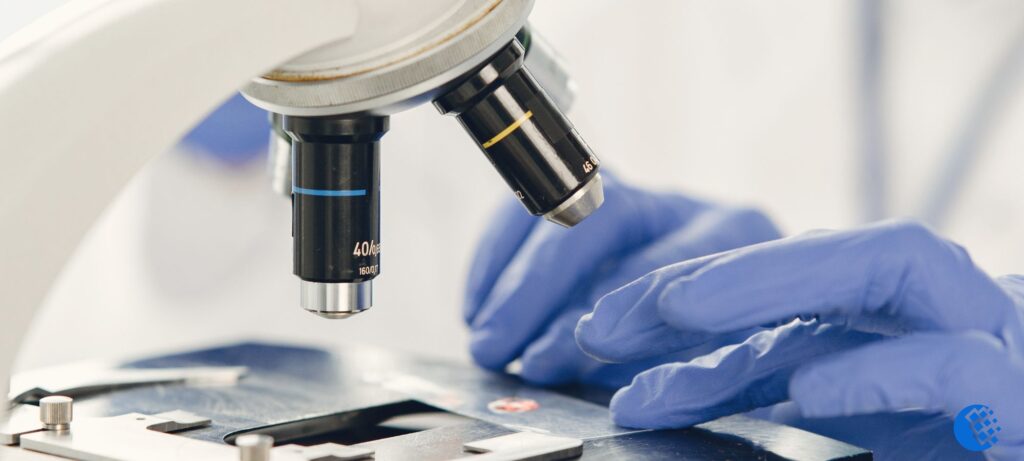
Human cells are an outstanding resource for research. They give us a glimpse into the way the human body works, how diseases form, what is responsible for certain functions, and how the organism responds to triggers and treatments.
No wonder many students want to pursue a career path tied to working with this asset. You might want to join a group of scientists working on new therapies, stay in the lab and analyze human cells for research purposes, or be a medical professional who works with patients in the hospital. There are many jobs in the niche, including a cellular biologist, a biomedical scientist, a cancer researcher, and an immunologist.
Cellular Biologist
Cellular biologists have a straightforward mission: to understand how cells work and pass on this knowledge to other professionals to help them in bigger missions. In many cases, they participate in this research themselves. As students, they spend a lot of time in the laboratory working on samples derived from donors. To prepare for a professional career, they gain insight into:
- cell biology;
- infections and diseases;
- immune systems;
- medical discoveries;
- biotechnology;
- veterinary sciences.
Researchers in academia and industry frequently work with primary human cells and biospecimens supplied by specialized providers such as Preci. They also take part in publishing content in science journals and on websites.
Biomedical Scientist
Similar to cellular biologists, biomedical scientists are trained in biology and work in the laboratory. They conduct research to understand how the human body works, how diseases affect its functions, and how to develop new diagnostic and therapeutic approaches. In short, they engage in biomedical research.
The specifics of a biomedical scientist’s career vary. Depending on the location, education, and occupation, they might use human or animal cells for their analysis.
Cancer Researcher
Some professionals working with human cells prefer to focus on certain causes, such as oncology treatment. Cancer researchers work with human cells to understand the causes and study cancer biology, identify therapeutic targets, develop new treatments, and evaluate treatment responses. They look for new ways to diagnose and treat cancer more effectively by analyzing how previous strategies and trials performed.
In the late 1990s, biotechnology research became more prominent in the field, shifting towards immunotherapy and gene therapy to treat cancer. Cancer researchers don’t have to specialize specifically in human cells for a potential career path, as many are trained in areas like chemistry, biochemistry, molecular biology, physiology, medical physics, epidemiology, and biomedical engineering.
Immunologist
Immunologists study the immune systems of various organisms. Students who want to work with human cells will have to look for career paths connected to the human immune system to research the functioning of the cells in the system, common and rare disorders, and their treatments. Immunologists can work in vaccine development, organ transplantation, oncology, rheumatology, virology, bacteriology, parasitology, psychiatry, and dermatology.
Choosing the Right Career Will Shape Your Future
Working with human cells is one of the most intriguing and complex career paths because it combines laboratory science with discoveries that can advance medicine and biotechnology. Choosing a career path in this field can be hard. Yet, there are many options to consider if you want to work in the laboratory and make important discoveries.